Feeling unusually thirsty after a long workday, making more trips to the bathroom, or noticing fatigue that does not improve with rest can leave you searching for diabetes screening near me. A screening test is a practical first step. It can identify high blood sugar before it causes more serious problems, or help explain symptoms that have been difficult to pin down.
Diabetes does not always announce itself clearly. Some people have no symptoms at all, especially in the early stages of type 2 diabetes or prediabetes. That is why routine testing matters, particularly if you have risk factors or have put off a checkup because getting an appointment has been difficult.
When diabetes screening near me makes sense
Diabetes screening is not only for people who feel sick. It is also used to look for elevated blood sugar in people who feel generally well. You may want to be tested if you are age 35 or older, have overweight, or have a family history of diabetes. Screening may also be appropriate earlier if you have high blood pressure, high cholesterol, heart disease, sleep apnea, or a history of gestational diabetes during pregnancy.
Other factors can raise risk, including limited physical activity, polycystic ovary syndrome, and certain racial or ethnic backgrounds associated with higher rates of type 2 diabetes. A clinician can help sort through your personal risk factors rather than relying on a single checklist.
Do not wait for a routine physical if you have symptoms that could be related to high blood sugar. Common signs include increased thirst, frequent urination, increased hunger, blurred vision, unexplained weight loss, recurring infections, slow-healing cuts, or persistent fatigue. These symptoms can have several causes, but they are worth checking promptly.
Children and teens can also develop diabetes. If a child has unusual thirst, frequent urination, unexpected weight loss, vomiting, or worsening fatigue, they need timely medical evaluation. Sudden or severe symptoms should not be treated as a routine screening question.
What tests are used for diabetes screening?
A clinician may use one or more blood tests depending on your symptoms, medical history, and whether you have eaten recently. The most common options are an A1C test, a fasting plasma glucose test, and sometimes an oral glucose tolerance test.
The A1C test estimates your average blood sugar over roughly the past two to three months. It does not usually require fasting, which can make it convenient for a same-day visit. A fasting glucose test measures blood sugar after you have not eaten for at least eight hours, so it may require a planned morning lab draw. An oral glucose tolerance test involves drinking a glucose solution and having blood sugar checked over time. It is often used in specific circumstances, including pregnancy-related testing.
A random blood glucose test may be useful when someone has symptoms and needs an immediate assessment. The right test depends on the situation. Certain conditions, including anemia, kidney disease, recent blood loss, and some blood disorders, can affect A1C accuracy. Tell the clinician about your medications and health history so results can be interpreted correctly.
What your results may mean
Test results are not a label to apply on your own. They are one part of a medical assessment. In general, an A1C below 5.7% is considered in the usual range. An A1C from 5.7% to 6.4% may indicate prediabetes, while an A1C of 6.5% or higher may indicate diabetes. A diagnosis often needs confirmation with a repeat test unless blood sugar is clearly elevated along with classic symptoms.
For fasting blood glucose, a level from 100 to 125 mg/dL may indicate prediabetes. A reading of 126 mg/dL or higher may indicate diabetes when confirmed. Results can vary based on illness, stress, medication use, fasting status, and laboratory methods, so a single number should always be reviewed in context.
Prediabetes deserves attention, but it is not a reason for panic. It means blood sugar is higher than usual and future diabetes risk is increased. Many people can lower that risk through realistic changes in meals, activity, weight management when appropriate, sleep, and follow-up care. Your clinician may also recommend repeat testing on a specific schedule.
How to prepare for a screening visit
Before you head to a walk-in clinic, think about whether you are going in for routine screening or because of symptoms. If you are feeling unwell, do not delay care just to fast for a test. The clinic can determine what testing is appropriate that day.
Bring your photo ID, insurance information, medication list, and any recent lab results you have available. Include vitamins, supplements, and over-the-counter products. Some medicines, such as steroids, can raise blood sugar. Let the clinician know if you are pregnant, have recently been ill, or have had surgery, since these details may change how results are evaluated.
If you were told to get a fasting glucose test, avoid food and caloric drinks for at least eight hours beforehand. Water is generally fine. Ask the clinic about instructions before changing prescribed medications, especially diabetes medicines. Skipping or adjusting medication without guidance can be unsafe.
Urgent care can help with the next step
A walk-in clinic can be a useful option when you need a prompt evaluation for possible diabetes symptoms, need lab screening, or cannot wait weeks for a routine appointment. It may also be a practical place to discuss a concerning result from a home glucose meter, workplace screening, or prior blood test.
Urgent care is not a replacement for long-term diabetes management. If testing suggests prediabetes or diabetes, ongoing follow-up with a primary care clinician is important. That care may include repeat labs, medication decisions, blood pressure checks, kidney screening, eye exams, nutrition support, and a personalized plan for managing cardiovascular risk.
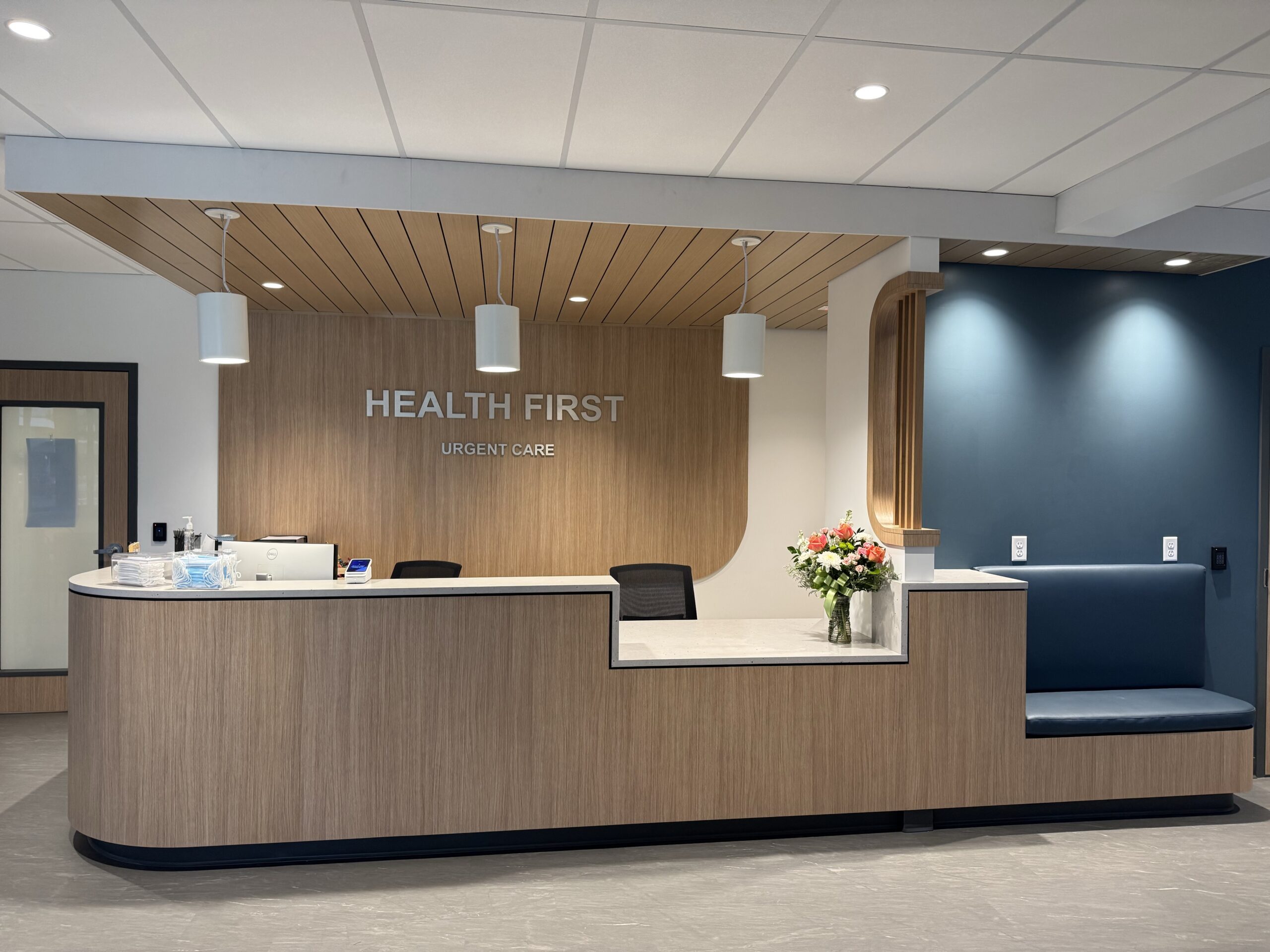
Still, same-day care can get the process moving. At Health First Urgent Care, patients in the Tri-Cities can seek evaluation for non-emergency concerns without waiting for a traditional appointment. Call ahead if you have questions about available lab services, fasting requirements, insurance, or the best time to come in.
Know when to seek emergency care instead
Very high blood sugar can become an emergency. Go to an emergency department or call 911 for severe trouble breathing, confusion, fainting, chest pain, seizures, severe dehydration, or inability to keep fluids down. Urgent evaluation is also needed for vomiting, stomach pain, rapid or deep breathing, fruity-smelling breath, or extreme weakness, especially if you have diabetes or suspect it.
These symptoms may be signs of a dangerous diabetes-related complication and need more than a routine screening visit. When in doubt, choose the higher level of care.
A diabetes screening is a straightforward way to replace uncertainty with useful information. Whether you have noticed symptoms, have a family history, or simply have not had your blood sugar checked in a while, taking care of it now gives you and your care team a clearer path forward.