A regular checkup may help you stay on top of your health, but it does not automatically meet federal requirements for commercial driving. When comparing a DOT physical vs regular physical, the main difference is purpose: a DOT exam determines whether a driver can safely perform a safety-sensitive job, while a regular physical looks at general health needs.
For drivers, employers, and applicants in the Tri-Cities, knowing which exam you need can prevent a missed workday, a delayed hire, or paperwork that does not meet the requirement.
What Is a DOT Physical?
A DOT physical is a medical examination required for many commercial motor vehicle drivers. It follows standards set by the Federal Motor Carrier Safety Administration, or FMCSA. The exam is designed to identify medical conditions that could affect a driver’s ability to operate a commercial vehicle safely.
The examination must be completed by a medical examiner who is listed on the National Registry of Certified Medical Examiners. A routine visit with a primary care provider may be useful for your health, but it is not a DOT physical unless the provider is certified to perform one and completes the required DOT paperwork.
After a qualifying exam, the medical examiner may issue a Medical Examiner’s Certificate, often called a DOT medical card. The length of certification depends on the driver’s health and the examiner’s determination. Some drivers qualify for up to 24 months, while others may need a shorter certification period and follow-up monitoring.
What Is a Regular Physical?
A regular physical is a broad health evaluation. It may be an annual wellness exam, a school or sports physical, a pre-employment physical, or a visit requested by an employer. The provider reviews your health history, current concerns, medications, vital signs, and general physical condition.
The scope can vary widely. A sports physical may focus on injuries, heart health, and safe participation. A pre-employment physical may address whether an applicant can safely handle the essential functions of a job. An annual exam may include preventive care discussions, screenings, vaccinations, and referrals for ongoing health concerns.
Unlike a DOT exam, a regular physical is not governed by the FMCSA medical certification rules. It generally does not result in a DOT medical card, and it may not satisfy a trucking company, school district, or other employer that specifically requests DOT documentation.
DOT Physical vs Regular Physical: The Main Differences
Both exams involve a health history and basic clinical checks, but they are built for different decisions. A regular physical supports general health, prevention, or a particular school or job requirement. A DOT physical focuses on whether a commercial driver meets federal medical standards for operating a commercial motor vehicle.
During a DOT exam, the medical examiner reviews conditions that may affect alertness, vision, hearing, mobility, breathing, heart health, blood sugar management, or the ability to safely control a vehicle. The examiner also reviews medications, prior surgeries, medical history, and relevant treatment plans.
A DOT physical commonly includes blood pressure, pulse, height, weight, vision, hearing, a urinalysis, and a physical examination. The urinalysis performed as part of the physical checks health indicators such as glucose, protein, blood, and specific gravity. It is not the same as a DOT drug test.
The examiner may ask for additional information when a driver has a condition that needs clarification. For example, drivers with diabetes, sleep apnea, high blood pressure, heart conditions, or a history of certain surgeries may need records from their treating provider, medication details, test results, or documentation showing the condition is being appropriately managed.
A regular physical can also include many of these basics. The difference is that the provider uses the findings to guide routine care or meet the specific purpose of that exam, rather than to make an FMCSA certification decision.
Who Typically Needs a DOT Physical?
Many drivers who operate commercial vehicles in interstate commerce need a DOT physical. This often includes drivers of vehicles that require a commercial driver’s license, vehicles designed to carry a large number of passengers, or vehicles used to transport certain hazardous materials.
Not every person with a CDL has the same medical certification requirement. Rules can vary based on the type of driving, whether the operation is interstate or intrastate, and the driver’s specific exemption or employment category. Your employer, licensing agency, or motor carrier can help confirm what applies to your role.
If your employer says you need a DOT card, schedule a DOT physical specifically. Bringing a standard work physical form to a general exam may not provide the certification your employer needs.
When a Regular Physical Is the Better Fit
A regular physical is usually the right choice if you need an annual wellness visit, a sports clearance, a school form, a camp physical, or a non-DOT pre-employment exam. It may also be appropriate when an employer needs confirmation that you can perform a job’s duties but does not require FMCSA certification.
For physically demanding work, an employer may request a job-specific evaluation that considers lifting, standing, bending, respirator use, or other essential functions. That is different from a DOT exam, even if both visits involve work-related paperwork.
If you are unsure which physical your employer requires, ask before your visit. A quick confirmation can save you from completing the wrong exam and having to return for another appointment.
How to Prepare for a DOT Physical
A little preparation can make the visit move more efficiently. Bring a valid photo ID, any required employer forms, and your current medication list. Include medication names, doses, and the names of the providers who prescribe them.
If you wear glasses, contacts, or hearing aids, bring them. DOT standards consider corrected vision and hearing when appropriate, so leaving these items at home can create an unnecessary delay.
Drivers with ongoing medical conditions should bring relevant records. This may include a recent sleep apnea compliance report, diabetes testing information, a specialist note, cardiac testing results, or a treating provider’s clearance. The exact documentation depends on your condition and the medical examiner’s review.
Do not skip meals, stop medication, or try to change your readings before the appointment without medical guidance. A better approach is to arrive rested, stay hydrated, take prescribed medications as directed, and be ready to discuss your health history honestly. If a blood pressure reading is higher than expected, the examiner will explain the next steps based on DOT requirements and your individual situation.
What Happens If You Do Not Pass?
Not qualifying for a full certification does not always mean you can never drive commercially. In some cases, the examiner may issue a shorter-term certificate so a condition can be monitored. In others, the driver may need treatment, follow-up testing, or additional records before certification can be considered.
This is where a DOT physical differs from a quick form-signing visit. The medical examiner has a responsibility to apply the standards consistently and protect both the driver and the public. If more information is needed, getting it promptly from your treating provider may help avoid a longer interruption in work.
Choose the Exam That Matches the Requirement
A DOT physical and a regular physical can both be valuable, but they are not interchangeable. If you need a commercial driver medical certificate, schedule a DOT physical with a certified examiner. If you need preventive care, a school form, sports clearance, or a general work exam, a regular physical may be the right service.
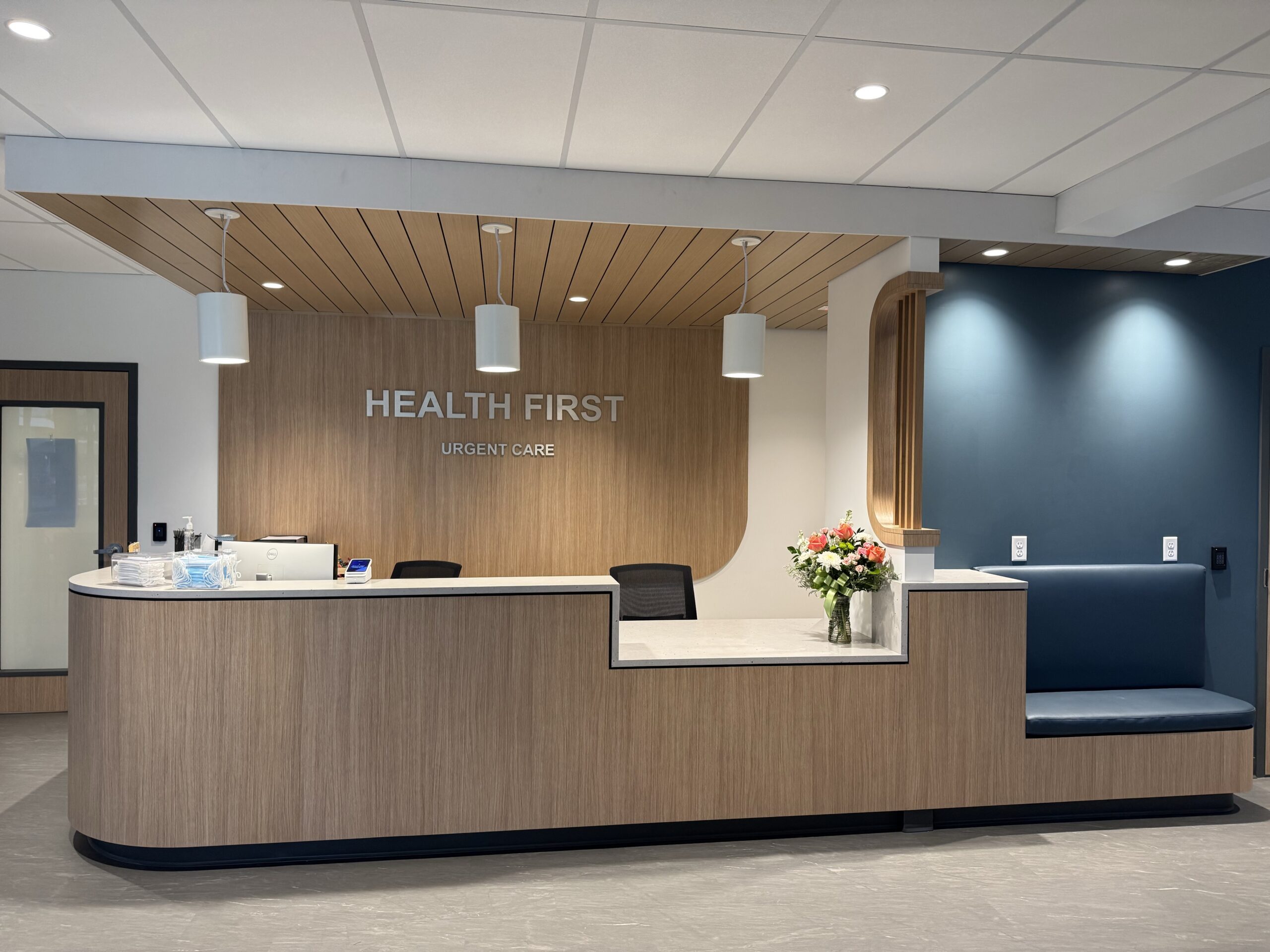
Health First Urgent Care provides practical occupational health visits for local workers who need clear next steps and properly completed exam documentation. Before you come in, confirm the type of physical required, gather your forms and medical information, and give yourself enough time to address any follow-up the exam may require.