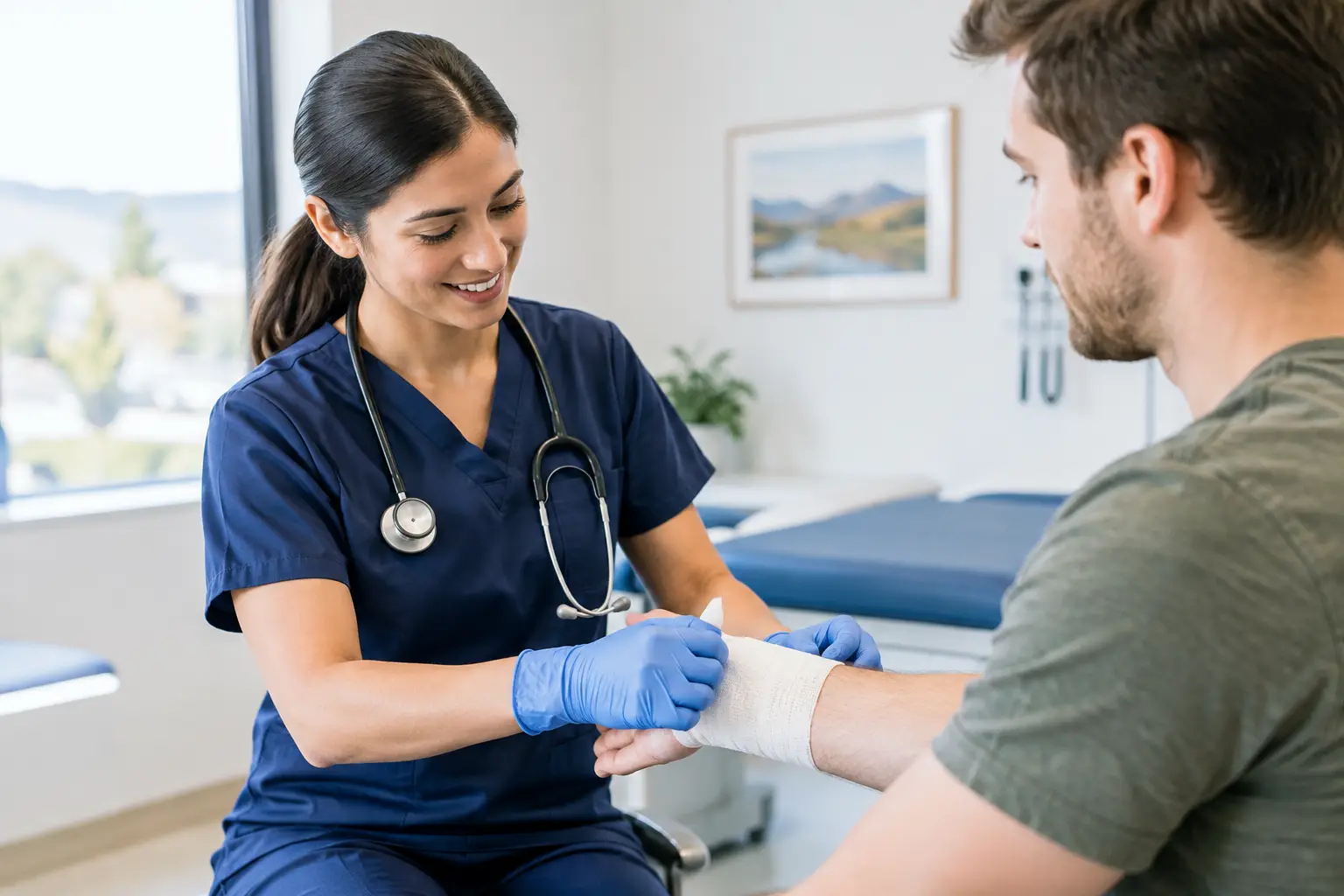
A twisted ankle at practice, a kitchen cut that will not stop bleeding, or a sore wrist after a weekend project can disrupt the rest of your day quickly. A minor injury clinic Richland residents can use for same-day care helps you get evaluated without waiting days for a primary care appointment or turning to an emergency room for a non-life-threatening problem.
The key is knowing what qualifies as a minor injury, what care may be needed, and when the situation calls for emergency help instead. For many common injuries, prompt treatment can reduce discomfort, protect against complications, and give you a clear plan for returning to work, school, sports, or everyday activities.
What a Minor Injury Clinic Can Treat
Urgent care is built for injuries that need timely medical attention but are not life-threatening. These problems may happen at home, on the job, during recreation, or while handling routine errands. You do not need to wait until an injury becomes more painful or difficult to manage before seeking care.
Common reasons to visit a walk-in clinic include sprains and strains, minor fractures, cuts and lacerations, bruises, minor burns, and sports injuries. Clinics can also evaluate possible infections around a wound, remove splinters or other minor foreign objects when appropriate, and assess injuries caused by falls or minor accidents.
An injury may look small at first but still deserve an exam. A deep cut can need closure or a tetanus update. A swollen ankle may be a sprain, but it could also need imaging to rule out a fracture. A burn that is limited in size may still require proper cleaning and dressing instructions to lower the chance of infection.
Sprains, strains, and possible fractures
Pain, swelling, bruising, and reduced movement are common after an ankle roll, wrist impact, knee twist, or muscle pull. Resting the area may help, but it does not always tell you how serious the injury is. If you cannot comfortably bear weight, use the joint normally, or move the affected area, same-day evaluation is a practical next step.
A clinician can examine the injury, determine whether an X-ray or other follow-up is needed, and recommend treatment such as bracing, wrapping, activity limits, or referral. The right plan depends on the body part involved, the severity of symptoms, your job duties, and whether you play sports or have prior injuries in the same area.
Cuts, scrapes, and puncture wounds
Not every cut needs medical care, but some do. Consider a clinic visit when bleeding does not stop with steady pressure, the cut is deep or has separated edges, or the injury involves the face, hand, foot, joint, or nail. Puncture wounds, bites, and wounds contaminated by dirt or rusty material also need prompt attention.
Keep the area clean and apply pressure with a clean cloth or bandage while you arrange care. Avoid trying to close a significant wound yourself. A clinic can clean the injury, evaluate whether closure is appropriate, discuss tetanus protection, and provide clear wound-care instructions.
Minor burns and skin injuries
Small burns from cooking, hot surfaces, or household accidents can often be managed with timely care. Cool the affected area with cool running water, remove jewelry or tight items near the burn if possible, and cover it loosely with a clean dressing. Do not apply ice, butter, or home remedies that can further damage the skin.
A clinic visit is especially helpful if the burn has blisters, causes ongoing pain, covers a larger area, or affects the face, hands, feet, genitals, or a major joint. The same applies to a skin injury that becomes increasingly red, warm, swollen, or painful after the initial incident.
When Urgent Care Is the Right Choice
A minor injury clinic in Richland is often the right fit when you need care today and the condition is stable. Walk-in urgent care can be useful outside regular primary care hours, when your usual provider cannot see you quickly, or when you need an injury assessed before returning to work.
For working adults, timely treatment can also help document an injury and clarify safe activity restrictions. Parents may appreciate being able to have a child evaluated after a playground fall, a sports collision, or a suspected sprain without waiting for a future appointment. The goal is not to replace emergency care. It is to provide the right level of care for everyday injuries that should not be ignored.
Health First Urgent Care provides walk-in, non-emergency care seven days a week for patients who need prompt evaluation of common injuries and illnesses. Bringing your photo ID, insurance information if applicable, and a current medication list can help make the visit more efficient.
Choose emergency care for serious warning signs
Urgent care is not the right setting for every injury. Call 911 or go to an emergency department for severe or uncontrolled bleeding, chest pain, trouble breathing, loss of consciousness, seizures, or signs of a stroke such as sudden weakness, facial drooping, speech difficulty, or confusion.
Emergency care is also appropriate for a major head injury, a suspected neck or spine injury, a visibly deformed limb, a bone that has broken through the skin, severe burns, or an injury caused by a serious vehicle crash. If you are unsure whether symptoms are life-threatening, it is safer to seek emergency help.
What to Do Before You Arrive
Simple first aid can make a difference while you are on the way to care. For a sprain or strain, avoid pushing through pain. Rest the area, consider a wrapped cold pack for short periods, and elevate it when possible. For cuts, apply direct pressure with a clean cloth. For burns, use cool running water and protect the area from friction.
Do not eat or drink if you believe a procedure or surgery may be necessary, particularly after a significant injury. If a limb is painful or unstable, have someone else drive. Parents should note when the injury happened, how it occurred, and whether a child has shown changes in behavior, vomiting, severe headache, or unusual sleepiness after a head impact.
If the injury happened at work, tell the clinic staff. Occupational injury visits can involve employer documentation, return-to-work notes, and activity restrictions. Clear information at check-in helps the care team address both your medical needs and required paperwork.
Getting the Most From Your Visit
Be specific about what happened and how symptoms have changed. Mention whether you heard a pop, fell on an outstretched hand, hit your head, had numbness or tingling, or have had previous surgery or injuries in the same area. These details can affect the exam and treatment plan.
It also helps to ask practical questions before leaving. Find out what activities to avoid, how to care for a wound or brace, which symptoms mean you should return, and when follow-up is needed. If imaging or specialty care is recommended, do not delay that next step simply because the pain starts to ease.
Most minor injuries improve with the right treatment, rest, and follow-through. Getting checked early gives you more than a diagnosis – it gives you a workable plan for the next day, the next shift, and the activities you want to get back to safely.