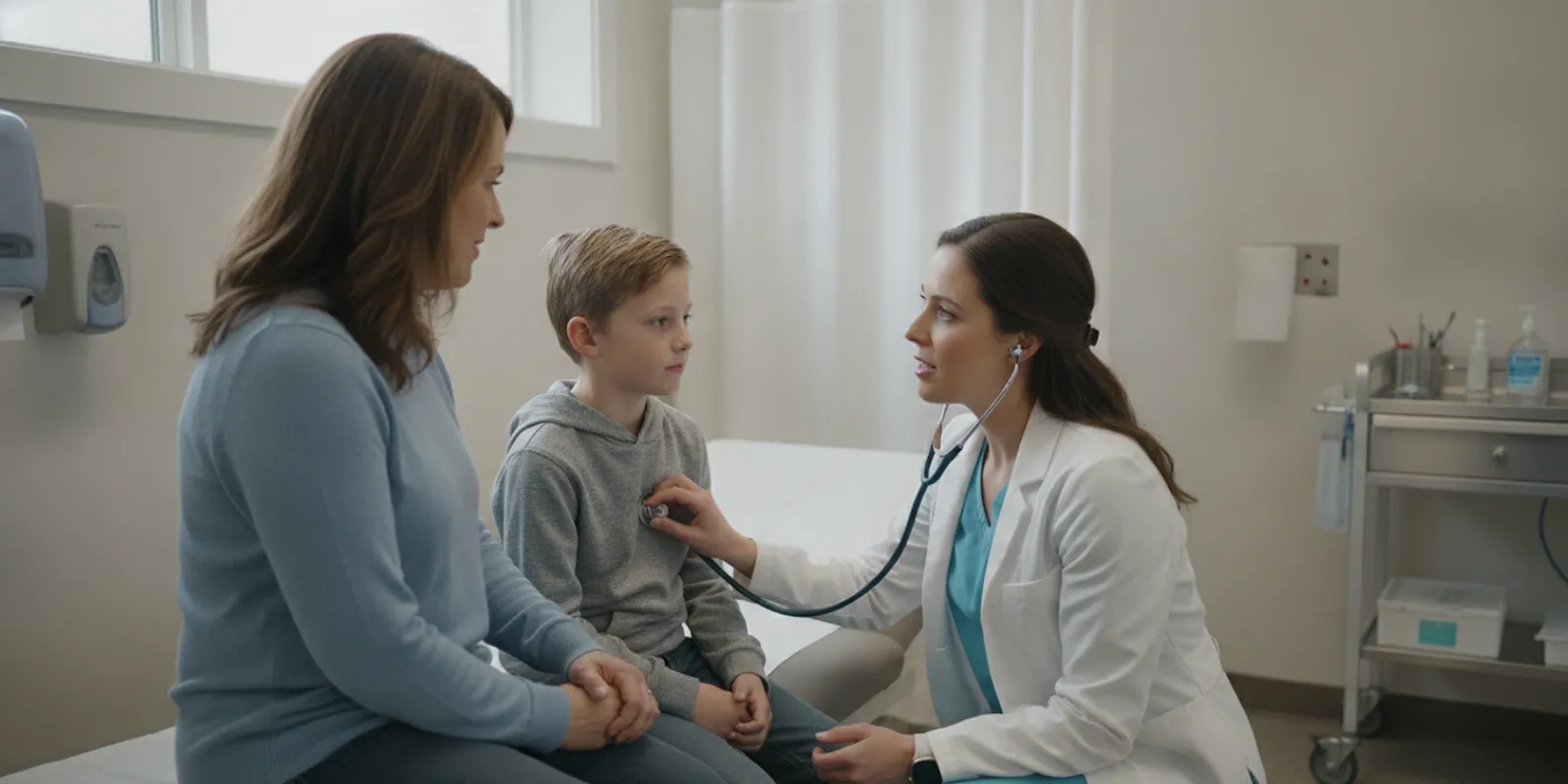
When a child develops an earache, fever, cough, or minor injury, parents often have to decide whether to wait, contact the child’s regular clinician, or seek walk-in help. Urgent care for kids may be an option for nonemergency concerns that need timely attention, but the right setting depends on the child’s age, symptoms, severity, and the care available at a particular clinic. This guide offers practical steps for making that decision without trying to diagnose your child at home.
Review the care options for your child
What does urgent care for kids generally address?
Urgent care is intended for health concerns that need prompt evaluation but do not appear to be life-threatening emergencies. For children, that can include certain ear or throat complaints, cold-like symptoms, mild stomach concerns, small cuts, minor burns, or sprains. A clinician can assess the child and decide whether an examination, a test, or another next step may be appropriate. The specific services offered, the ages a clinic can see, and the ability to take a walk-in patient can vary. Confirm those details before traveling, especially when the child is very young or has a complex health history.
A parent does not need to know the diagnosis before asking for care. Describe what changed, when it began, and how the child is acting. The clinician will consider the story together with an examination and any appropriate testing. An urgent-care visit cannot guarantee a particular diagnosis, test, treatment, or outcome. Some concerns need follow-up with the child’s regular clinician, while others may require a higher level of care.
Health First Urgent Care is an in-person, nonemergency provider serving the Tri-Cities through clinics in Richland, Pasco, and Kennewick. Walk-ins are subject to availability, and service details should be confirmed with the clinic. The services overview can help you review the types of care listed by the practice, but it is not a promise that every service or age group is available at every location at every moment.
When might a child’s symptoms be suitable for a walk-in visit?
Consider contacting an urgent-care clinic when a child has a new, nonemergency problem that is uncomfortable or concerning and needs evaluation sooner than a routine appointment may be available. Examples may include ear pain, a sore throat, a persistent cough, a mild rash, or a small injury. These examples are not a checklist for deciding what a child has. Similar symptoms can have different causes, and a clinician must assess the child to determine what care is suitable.
Pay attention to the whole child, not just one number or symptom. Is the child alert and responding in their usual way? Are they breathing comfortably? Can they drink and keep fluids down? Are they urinating? Is the pain manageable, or is it rapidly worsening? These observations can help you explain what is happening when you call a clinician. If you are unsure about the urgency, contact the child’s regular medical professional or an urgent-care clinic for direction. If severe or life-threatening symptoms are present, call 911 rather than driving to a clinic.
Before leaving home, call to confirm that the location can evaluate the child’s age and concern and ask whether walk-in care is currently available. Do not assume that a service listed generally is offered at every clinic or that there is immediate capacity. Health First lists three Tri-Cities locations; check its locations page for current location information, and call to confirm the details that matter to your visit.
What should you do when your child has a fever?
A fever can be unsettling, particularly when a child seems miserable or the temperature rises quickly. A thermometer reading is one useful detail, but it does not tell you by itself how serious an illness is. Record the temperature, when you took it, and how you measured it. Also note whether the child is drinking, urinating, waking and responding normally, and showing any new symptoms. Share these details with the child’s clinician instead of relying on one temperature threshold alone.
For a baby younger than three months, a temperature of 100.4°F (38°C) or higher is a reason to seek prompt medical guidance. Contact the child’s clinician promptly for advice about where the baby should be evaluated; do not assume a walk-in clinic is the right setting for a very young infant. For children of any age, urgent symptoms, a significant change in alertness, trouble breathing, or a child who looks seriously ill call for immediate medical attention. When in doubt, call the child’s regular clinician or an appropriate urgent-care service for guidance, and use 911 for an emergency.
For an older child who is otherwise responsive and breathing comfortably, consider the pattern as well as the reading: how long the fever has lasted, whether it is improving or worsening, and whether there are other symptoms. A fever together with ear pain, a sore throat, cough, rash, vomiting, or pain may be worth discussing with a clinician. Do not delay emergency help because you are trying to bring a temperature down or get a particular number from a thermometer.
While arranging advice, encourage rest and offer fluids if the child is awake and able to drink. Avoid forcing food or drink. If you are thinking about medicine, follow the product’s age and weight directions and ask a clinician or pharmacist when the child is very young, has a medical condition, takes other medicine, or the instructions are unclear. Never give a child medication intended for someone else. These general steps do not replace individualized medical advice.
What should you do about an earache?
Ear pain can make it hard for a child to sleep, eat, or concentrate. It may start suddenly or follow a cold, and a child may describe pressure, soreness, or simply feeling unwell. A parent cannot determine the cause from the symptom alone. Ear pain can have more than one explanation, so avoid putting objects, drops, or home remedies into the ear unless a clinician has advised that they are appropriate for this child.
Write down when the pain began, which ear hurts, whether the child has a fever or drainage, and whether hearing or balance seems different. Note any recent injury or objects that may have entered the ear. If the child is comfortable and otherwise acting normally, call the child’s clinician or an urgent-care clinic to ask about an appropriate next step and current availability. Ask specifically whether the child’s age can be evaluated at that location.
Seek urgent medical advice if pain is severe, worsening, accompanied by a child who appears very ill, or associated with swelling or redness around the ear. If the child has difficulty breathing, is difficult to wake, or has another life-threatening symptom, call 911. Do not wait for a walk-in visit when emergency warning signs are present.
Health First includes ear-related topics among the subjects in its online content. You can review its ear information archive for general reading, but an article cannot examine your child or establish what is causing ear pain. Call a qualified clinician for advice about a specific child.
How does a child’s age affect the decision?
A symptom can mean something different depending on a child’s age and health history. Babies may not be able to show where something hurts, and very young children can become unwell without explaining what has changed. If you are caring for an infant, a child born prematurely, or a child with a significant medical condition, seek advice sooner rather than assuming a routine walk-in visit is appropriate. Tell the clinician the child’s exact age and relevant history when you call.
For infants under three months, a temperature of 100.4°F (38°C) or higher warrants prompt medical guidance. The clinician can advise where the baby should be assessed; do not rely on a general age policy or assume a particular urgent-care location accepts infants. For an older baby or toddler, pay attention to alertness, breathing, ability to drink, and wet diapers or urination as well as the temperature. If the child seems seriously ill or has emergency warning signs, call 911.
School-age children and teenagers may be able to describe pain, dizziness, nausea, or other symptoms more clearly, but their description is only one part of the picture. Ask simple questions and note what you observe rather than pressuring them to label a diagnosis. A child may understate symptoms to avoid a visit or overstate them because they are frightened; listen calmly and describe both the child’s words and what you have noticed.
Age does not by itself determine whether urgent care can help. Medical history, symptom severity, the need for a particular service, and the location’s current capabilities also matter. Call ahead when a child is very young or has a complex condition, and follow the clinician’s recommendation about the right setting. Use emergency services for a life-threatening concern regardless of the child’s age.
When should you choose emergency help instead?
Urgent care is not the right setting for every illness or injury. Call 911 for chest pain, severe trouble breathing, a child who is unresponsive or difficult to wake, blue or gray lips or skin, a seizure that is happening now or does not stop, severe bleeding, or another life-threatening concern. A serious head injury, a major burn, a suspected poisoning, or a severe allergic reaction may also require emergency help. If you are uncertain whether a symptom is life-threatening, err on the side of contacting emergency services or a medical professional promptly.
Do not drive a child with severe breathing problems, collapse, uncontrolled bleeding, or markedly altered responsiveness to an urgent-care clinic. Emergency responders can advise you and provide appropriate transport. If a child’s condition is changing quickly, avoid spending time searching for a clinic or waiting for a call back.
Some symptoms are concerning even when they do not look dramatic. A child who is unusually sleepy, cannot keep fluids down, has signs of dehydration, has severe or worsening pain, or is getting worse after an initial improvement needs medical guidance. The appropriate next step depends on age, medical history, symptom severity, and the clinician’s assessment. Call the child’s regular clinician or an urgent-care clinic for direction if the situation is not an emergency but you are unsure where to go.
When you call, give a concise description: the child’s age, the main symptom, when it started, the temperature and how it was measured if relevant, and any major change in behavior or breathing. State clearly if you are worried the child may be in immediate danger. If symptoms escalate while you are arranging care, stop the routine plan and call 911.
How can you decide between calling the pediatrician and going to urgent care?
The child’s regular clinician may know their medical history, medications, allergies, and prior symptoms. When the concern is not severe, calling that clinician can help you decide whether the child needs an appointment, a same-day assessment, or another kind of care. This can be especially useful for a baby, a child with a long-term condition, repeated symptoms, or a problem that has not improved as expected.
Urgent care may be useful when a nonemergency concern needs prompt evaluation and the child’s regular office is unavailable or cannot see the child soon enough. It is still important to confirm the clinic can see the child and assess the specific issue. Walk-in care is subject to availability; a call does not guarantee a particular wait time or that a visit will be clinically appropriate.
These options are not mutually exclusive. A child may be assessed at urgent care and then need follow-up with their regular clinician. When you call, ask what records or test results should be shared afterward. If the child has a complex medical history or the symptoms are severe, the regular clinician may recommend a different setting. Follow that advice, and use emergency services for life-threatening symptoms.
Make the decision based on the child’s current condition rather than convenience alone. If your child appears seriously ill, has trouble breathing, is not responding normally, or has another emergency sign, do not wait for the regular office to open or for an urgent-care clinic to confirm availability. Call 911.
What information should you bring to a child’s visit?
A few details can help the clinician understand the problem. Bring or write down:
- The child’s age and the name of their regular clinician, if applicable.
- When the symptoms began and whether they have changed, improved, or worsened.
- Temperature readings, the time taken, and the measurement method.
- Any known allergies, medical conditions, current medicines, and relevant past reactions.
- What the child has been able to drink and whether urination has changed, if illness or vomiting is involved.
- Details of an injury, including when and how it happened, if that is the reason for the visit.
- Insurance information or questions about self-pay charges, if relevant to your visit.
Do not delay emergency care to collect paperwork or pack a complete bag. If a child needs help immediately, call 911. For a nonemergency walk-in visit, take any relevant medication containers or a current medication list if convenient, and bring identification and plan information you normally use for healthcare visits. If another adult is bringing the child, share the child’s history and the contact details for the parent or guardian.
Tell the clinic about the child’s age, symptoms, and any major medical history when you call. Ask whether there are specific instructions before arrival, whether the location can evaluate this concern, and what payment questions you should clarify. Do not assume that a test, service, or clinician is available at all three locations.
How should you prepare for an urgent-care visit?
Start by checking that the location is open and can see your child for the concern. Use the practice’s location information, then call to verify current details, including age and service availability. Health First’s regular hours and location information should be confirmed on the live clinic locations page before setting out; seasonal or holiday changes are not guaranteed by a general listing.
Describe symptoms accurately and avoid minimizing or exaggerating them. If the child has been seen elsewhere for the same problem, mention that and bring any discharge paperwork or test information you have. If an outside laboratory or test is discussed, ask where the specimen will be processed, how results will be communicated, and whether a separate bill may apply. Do not assume every test is performed onsite or that results will be ready by a particular time.
Plan for the child to be accompanied by an adult who can describe the concern and provide relevant history. Bring a comfort item if it may help the child stay calm. Explain in simple terms that a clinician will ask questions and may examine the area that hurts; do not promise that the visit will be painless or that a particular treatment will happen. A calm, honest explanation can help a child know what to expect without creating an outcome guarantee.
If cost is a concern, ask about the expected charges before care when it is safe and practical to do so. The practice lists a $165 self-pay clinician evaluation/management charge; this is not an all-in visit price. Labs, X-rays, equipment, and other services may cost extra. Insurance participation and coverage are not guaranteed, and copays, coinsurance, later balances, or an outside-lab bill may apply. Review the pricing information and contact the clinic or your plan with questions about the specific service. Never delay emergency help to compare costs.
What happens during and after the visit?
A clinician will ask about the child’s symptoms and health history and assess the concern. Depending on the problem and what the clinician finds, they may recommend an examination, testing, care at another setting, or follow-up. Tests are not required for every visit. A test’s availability and processing location can vary, so ask what is being done and how results will be shared.
Before leaving, make sure you understand the next steps. Ask what changes should prompt a return call or another evaluation, how to get results that are still pending, and whom to contact if the child is not improving. If the clinician recommends follow-up with the child’s regular provider, arrange it as advised and share any visit information the provider needs. If symptoms become severe or life-threatening, call 911 rather than waiting for a routine follow-up.
Follow the instructions given for your child. If you are unsure about a medicine, dose, test result, or written direction, ask the clinician or pharmacist to clarify it. Do not rely on a general online article to change a child’s treatment plan. Seek additional medical guidance if the child worsens, develops a new concerning symptom, or does not follow the expected course described by the clinician.
How do cost and insurance questions fit into the decision?
For a nonemergency concern, it is reasonable to ask how a visit may be billed, but no online summary can determine a family’s final bill. Health First lists a $165 self-pay clinician evaluation/management charge for people paying out of pocket; this covers the clinician evaluation/management charge only. Labs, X-rays, equipment, and other services may cost extra. A service may also be sent to an outside laboratory, which can bill separately.
If using insurance, verify your plan and the specific service directly with the plan and clinic. Do not assume participation or coverage based on a general statement, a prior visit, or a different service. Copays, coinsurance, deductibles, later patient balances, and outside-lab charges may apply. Ask what the clinic can confirm and what must be checked with the insurer. An estimate is not necessarily a final bill, especially if the clinician’s assessment changes what services are appropriate.
Cost is one consideration, but it should not delay emergency care. If you are comparing options for a child whose symptoms are not life-threatening, ask what the base charge includes, what may be billed separately, and whether the quoted amount applies to the child’s particular visit. For pricing details, consult the practice’s published self-pay and pricing page and verify current terms before care.
How can Tri-Cities families confirm the right clinic?
Health First Urgent Care has clinics in Richland, Pasco, and Kennewick. Because addresses, hours, walk-in availability, age limits, and particular services can be location-specific, verify the relevant details on the current clinic information page and call before traveling. Do not rely on an old search result, a copied location description, or an assumption that services are identical at all sites.
When you call, share the child’s age and main concern, then ask whether the location can evaluate that age and problem today, whether walk-in care is available, what information to bring, and how to clarify charges. A clinic may not be able to guarantee immediate intake or a particular wait. If the child’s condition worsens while you are making plans, reassess the urgency and seek emergency help when appropriate.
Families can use the practice’s locations page to identify the Tri-Cities clinic information, then confirm current details by phone. Calling ahead is especially useful when the child is very young, has a complex medical history, has a potentially contagious illness, or needs a specific test or service. Do not assume every concern can be managed in an urgent-care setting.
Check clinic locations and confirm availability
Common questions about urgent care for kids
Can I take my child to urgent care without an appointment?
Health First describes walk-in care, but walk-ins are subject to availability. Call first to confirm whether the location can see your child’s age and concern and whether care is currently available. A call cannot guarantee immediate intake. Use 911 for life-threatening symptoms.
Can urgent care evaluate a baby?
Do not assume that every clinic sees every age. Call to confirm the location’s current age limits and whether it can evaluate the baby’s specific symptoms. A temperature of 100.4°F (38°C) or higher in a baby younger than three months warrants prompt medical guidance. Contact the baby’s clinician promptly; for a severe or life-threatening symptom, call 911.
Should I go to urgent care for a fever over 100°F?
One temperature reading alone does not determine where a child should be seen. Consider the child’s age, how the temperature was taken, other symptoms, and how the child is acting. Contact a clinician for advice when you are concerned, and seek prompt guidance for a very young infant with a fever. Call 911 if the child has a life-threatening symptom or is difficult to wake or struggling to breathe.
Will a child get a test or medicine at an urgent-care visit?
Not necessarily. The clinician decides what evaluation is appropriate after assessing the child. Testing and treatment depend on the concern, clinical findings, and what is available at that location. Ask how any test is processed and how to follow up on results. No specific test, medicine, or outcome can be promised before an assessment.
What if I am not sure whether my child needs urgent care?
Call the child’s regular clinician or an urgent-care clinic and describe the child’s age, symptoms, when they began, and any major change in behavior or breathing. If the child appears seriously ill, has difficulty breathing, is unresponsive, or has another life-threatening symptom, call 911 instead of waiting for advice by phone.
When a child is sick or hurt, it is reasonable to ask for help deciding what to do next. For a nonemergency concern, confirm the child’s age and service eligibility, current walk-in availability, and any cost questions with the clinic; seek emergency help immediately when warning signs are present.