If you drive for work, a DOT physical is not something you want to leave to guesswork. The visit is straightforward, but knowing what happens at a DOT physical can save you time, help you avoid delays, and make the process less stressful.
For most commercial drivers, the exam is about one thing: confirming that you are medically fit to operate a commercial motor vehicle safely. It is not the same as a routine annual checkup, and it is not designed to diagnose every health issue you may have. It is a standards-based exam required for drivers who need a valid Medical Examiner’s Certificate.
What happens at a DOT physical exam
A DOT physical follows a set process. The medical examiner reviews your health history, checks key measurements, and looks for any condition that could affect safe driving. The goal is to determine whether you meet federal medical standards, whether you qualify with conditions, or whether additional follow-up is needed.
The visit usually starts with paperwork. You will be asked about your medical history, past surgeries, medications, diagnoses, and any symptoms that may affect driving. This part matters more than many drivers expect. If you have high blood pressure, sleep apnea, diabetes, heart disease, seizures, or vision or hearing problems, the examiner needs accurate information. Leaving out details can create bigger issues later, especially if your records do not match your form.
After that, the hands-on exam begins. In most cases, the provider checks your height, weight, blood pressure, pulse, and vision. A urine sample is also commonly part of the exam. This is not usually a drug test unless your employer has separately requested one. For the DOT physical itself, the urine screen is typically used to look for signs such as protein, blood, or sugar that could point to an underlying medical condition.
The main parts of a DOT physical
The physical exam is focused and practical. It is meant to identify conditions that could interfere with alertness, mobility, judgment, or the ability to safely control a commercial vehicle.
Vision and hearing checks
You must meet minimum vision and hearing standards. The vision test checks whether you can see well enough, with or without corrective lenses. If you wear glasses or contacts to drive, bring them. If you pass only with corrective lenses, that restriction may appear on your certificate.
The hearing portion is also basic but important. The examiner needs to confirm that you can hear well enough to respond to sounds that matter on the road. In some cases, a hearing aid is acceptable, but if you depend on one, bring it to the appointment.
Blood pressure and pulse
Blood pressure is one of the most common reasons drivers receive a shorter certification period instead of the full two years. If your reading is elevated, you may still pass, but the length of your certificate may be limited. It depends on how high the number is and whether the condition appears controlled.
This is one reason it helps to take your blood pressure treatment seriously before the exam. If you have a history of hypertension and stopped your medication, that can complicate the visit. On the other hand, controlled blood pressure often makes the process much smoother.
Urinalysis
The urine check is a standard part of the DOT exam. Again, this is generally not the same thing as an employment drug screen. It is used to flag possible medical concerns such as kidney issues or uncontrolled blood sugar.
If the results suggest a problem, the examiner may ask additional questions or recommend follow-up. That does not automatically mean you fail, but it can mean the exam cannot be fully cleared without more information.
General physical exam
The provider also reviews your overall physical condition. That can include your heart, lungs, abdomen, spine, joints, reflexes, and general neurologic function. The examiner may look at range of motion, balance, strength, and whether you appear medically stable enough to perform driving tasks.
This part is not meant to be invasive or time-consuming. It is a practical review of whether you can handle the physical demands of commercial driving, including climbing in and out of the cab, checking equipment, and staying alert during long hours on the road.
Medical conditions that may need closer review
Some drivers come in expecting a quick in-and-out visit, and many DOT physicals are just that. But certain conditions often require more documentation or a more careful review.
Sleep apnea is a common example. If you have already been diagnosed, the examiner may ask whether you are being treated and whether you are compliant with therapy. If you have symptoms that strongly suggest sleep apnea, such as loud snoring, daytime sleepiness, and certain body measurements or health risk factors, the provider may require additional evaluation before issuing a longer certificate.
Diabetes can also affect certification, especially if it is not well controlled. Drivers using insulin may qualify, but they often need specific documentation. If you take medication for diabetes, bring a current medication list and be ready to discuss how your condition is managed.
Heart conditions, seizure history, recent surgeries, and certain mental health conditions may also require records from your treating provider. That does not mean you cannot pass. It means the examiner needs enough information to make a safe and compliant decision.
What to bring to your DOT physical
A little preparation can prevent repeat visits. Bring a valid photo ID, your glasses or contacts if you use them, and your hearing aid if you need one. It also helps to bring a full list of medications, including dosage.
If you have a condition that is already being treated, bring relevant paperwork. That might include clearance letters, recent blood pressure logs, sleep apnea compliance reports, or diabetes documentation. The more complete your information is, the easier it is to move through the visit without unnecessary delays.
If this exam is for work, check whether your employer needs any extra forms completed at the same time. Occupational health visits often involve a few administrative details, and handling them in one visit can save you a return trip.
How long the appointment takes
Most DOT physicals do not take very long, especially when paperwork is complete and there are no major medical concerns to sort out. The actual time depends on how busy the clinic is, whether records need review, and whether any follow-up questions come up during the exam.
For drivers on a work schedule, that practical reality matters. A missing document can slow things down more than the exam itself. If you know you have a condition that may need supporting records, bring them the first time.
What happens if you do not pass right away
Not every DOT physical ends with an immediate two-year card. Sometimes the examiner issues a shorter certification period. Sometimes additional information is needed before a certificate can be completed. In other cases, a driver may be temporarily disqualified until a medical issue is treated or better controlled.
That can be frustrating, but it is not always a dead end. A high blood pressure reading may improve with treatment. Missing sleep apnea records can be gathered. A medication list can be clarified. The result depends on the condition and whether it can be documented and managed in a way that meets DOT standards.
How to make the visit easier
The best approach is simple: show up prepared and be honest. Get a good night’s sleep, take your prescribed medications as directed, bring the items you actually use for driving, and complete your forms carefully. If you have a known condition, do not assume the examiner will overlook it. It is much better to bring the right documentation than to hope it never comes up.
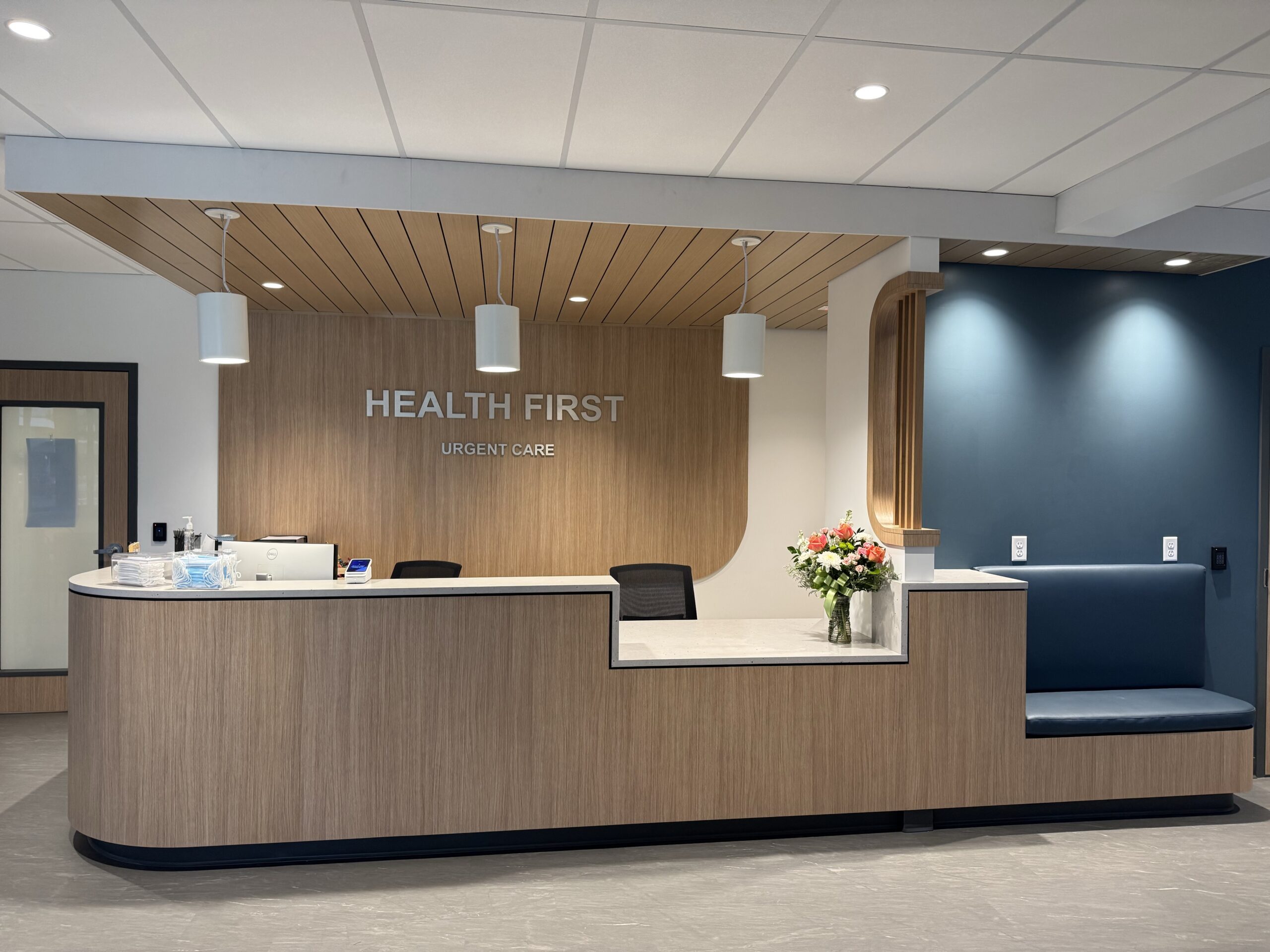
For local drivers and employers handling compliance needs, a walk-in clinic with occupational health services can make the process more manageable. Health First Urgent Care provides DOT physicals with the same practical focus drivers want from any work-related medical visit – clear steps, efficient service, and straightforward answers.
A DOT physical is not meant to be mysterious. It is a focused exam built around safety, and when you know what to expect, it becomes one more task you can handle and move on from with confidence.