Feeling unusually thirsty, making frequent trips to the bathroom, or dealing with blurry vision and unexplained fatigue can be unsettling. Can urgent care test diabetes? In many cases, yes. An urgent care visit can be a practical way to get prompt evaluation for possible high blood sugar, especially when you cannot get in with your primary care provider quickly.
Urgent care is not a replacement for long-term diabetes management, but it can help identify a concern, check for complications that need immediate attention, and guide your next step. The tests available and the timing of results can vary by clinic, so it is reasonable to call ahead if you have questions about lab availability.
Can Urgent Care Test Diabetes During a Walk-In Visit?
Urgent care providers can often evaluate symptoms that may point to diabetes and order or perform relevant testing. This may include a finger-stick blood glucose test, a blood draw for glucose or A1C testing, and a urine test. A provider will also consider your symptoms, medical history, medications, family history, and any recent illness or changes in weight.
A quick blood glucose reading may be available during your visit. It shows the amount of glucose in your blood at that moment. If the number is very high or very low, the provider can discuss what it may mean and determine whether you need additional testing or a higher level of care.
An A1C test measures your average blood sugar level over roughly the previous two to three months. It is commonly used to diagnose diabetes and prediabetes, but some clinics may send this test to an outside lab rather than provide same-day results. A provider may also order a fasting glucose test. Because fasting requires specific preparation, it may need to be completed on another day.
Urine testing can detect glucose and ketones. Ketones are substances the body produces when it does not have enough insulin to use glucose for energy. Finding ketones, particularly alongside high blood sugar and symptoms of illness, can be a sign that you need urgent evaluation.
What Symptoms Should Prompt a Diabetes Test?
Diabetes can develop gradually, and some people have few or no obvious symptoms. Others notice changes quickly. A same-day medical evaluation makes sense if you have persistent thirst, frequent urination, unusual hunger, fatigue, recurring infections, slow-healing cuts, tingling in your hands or feet, or unexplained weight loss.
Symptoms can also overlap with other conditions. Frequent urination may be related to a urinary tract infection, certain medications, pregnancy, prostate concerns, or increased fluid intake. Fatigue has many possible causes, including anemia, thyroid conditions, poor sleep, viral illness, and stress. Testing helps a provider sort through the possibilities instead of assuming one symptom has one cause.
Children and teens may show different signs, such as new bed-wetting after being dry at night, increased irritability, rapid weight loss, or a major change in appetite and drinking habits. Parents should not wait for a routine appointment if these symptoms are significant or getting worse.
When high blood sugar may be an emergency
Very high blood sugar can lead to serious complications, including diabetic ketoacidosis. This is more common with type 1 diabetes but can also occur in other situations. Go to an emergency room or call 911 rather than waiting at urgent care if high blood sugar symptoms occur with:
- Confusion, fainting, severe weakness, or trouble staying awake
- Difficulty breathing, rapid breathing, or chest pain
- Repeated vomiting or an inability to keep fluids down
- Severe abdominal pain, fruity-smelling breath, or signs of severe dehydration
These symptoms require emergency-level testing and treatment. If you already have diabetes and use insulin, follow your diabetes care plan while arranging emergency care. Do not drive yourself if you feel faint, confused, or severely ill.
What Happens at an Urgent Care Diabetes Visit?
Your visit typically begins with vital signs and a conversation about why you came in. Be prepared to share when your symptoms began, whether they are changing, what you have eaten or had to drink, and whether you have checked your glucose at home. Bring a current medication list if possible, including insulin, steroids, water pills, and over-the-counter supplements.
The provider may ask whether you have had gestational diabetes, polycystic ovary syndrome, high blood pressure, high cholesterol, or a close relative with diabetes. These details do not confirm a diagnosis, but they help put your test results in context.
If you have a home glucose meter or continuous glucose monitor, a photo or written record of recent readings can be useful. One isolated high reading does not always mean diabetes. A large meal, acute illness, infection, stress, and some medications can temporarily raise blood sugar. On the other hand, a normal reading at one point in the day does not always rule out diabetes.
Depending on your symptoms and findings, the provider may check your blood sugar immediately, collect blood or urine samples, and discuss hydration, food choices, medication safety, and follow-up. If results suggest diabetes or prediabetes, you may need repeat testing to confirm the diagnosis unless your blood sugar is clearly elevated along with classic symptoms.
Understanding Common Diabetes Test Results
Test results should be interpreted by a qualified medical provider, particularly if you are sick, pregnant, taking medications that affect glucose, or have a history of kidney or liver disease. Still, knowing the general ranges can make the conversation easier.
For A1C, a result below 5.7% is generally considered normal. A result from 5.7% through 6.4% is generally in the prediabetes range, while 6.5% or higher may indicate diabetes when confirmed as appropriate. An A1C can be less reliable in certain situations, including some blood disorders, recent blood loss, pregnancy, and advanced kidney disease.
For a fasting plasma glucose test, a level below 100 mg/dL is generally normal, 100 to 125 mg/dL may indicate prediabetes, and 126 mg/dL or higher may indicate diabetes if confirmed. A random blood glucose reading of 200 mg/dL or higher, along with classic diabetes symptoms, can be strongly concerning for diabetes and needs prompt clinical attention.
Numbers are useful, but they are not the whole picture. Urgent care can explain what a result means for the situation in front of you and help determine whether you need routine follow-up, medication evaluation, or emergency care.
Urgent Care Versus Primary Care for Diabetes
Urgent care is a good choice when symptoms are new, concerning, or getting in the way of daily life and you need an answer sooner than a scheduled appointment allows. It can also help when you have run out of testing supplies, have an unexpected high or low reading, or develop a possible infection that may affect your glucose levels.
Primary care is usually the best setting for ongoing diabetes care. Diabetes management involves more than occasional glucose checks. It may include medication adjustments, nutrition counseling, regular A1C testing, kidney and cholesterol monitoring, foot checks, eye exams, and individualized goals based on your health history.
If you are diagnosed or suspected to have diabetes after an urgent care visit, arrange follow-up with a primary care provider as directed. Bring your visit paperwork and lab results to that appointment. Consistent follow-up is how a concerning test result becomes a clear plan.
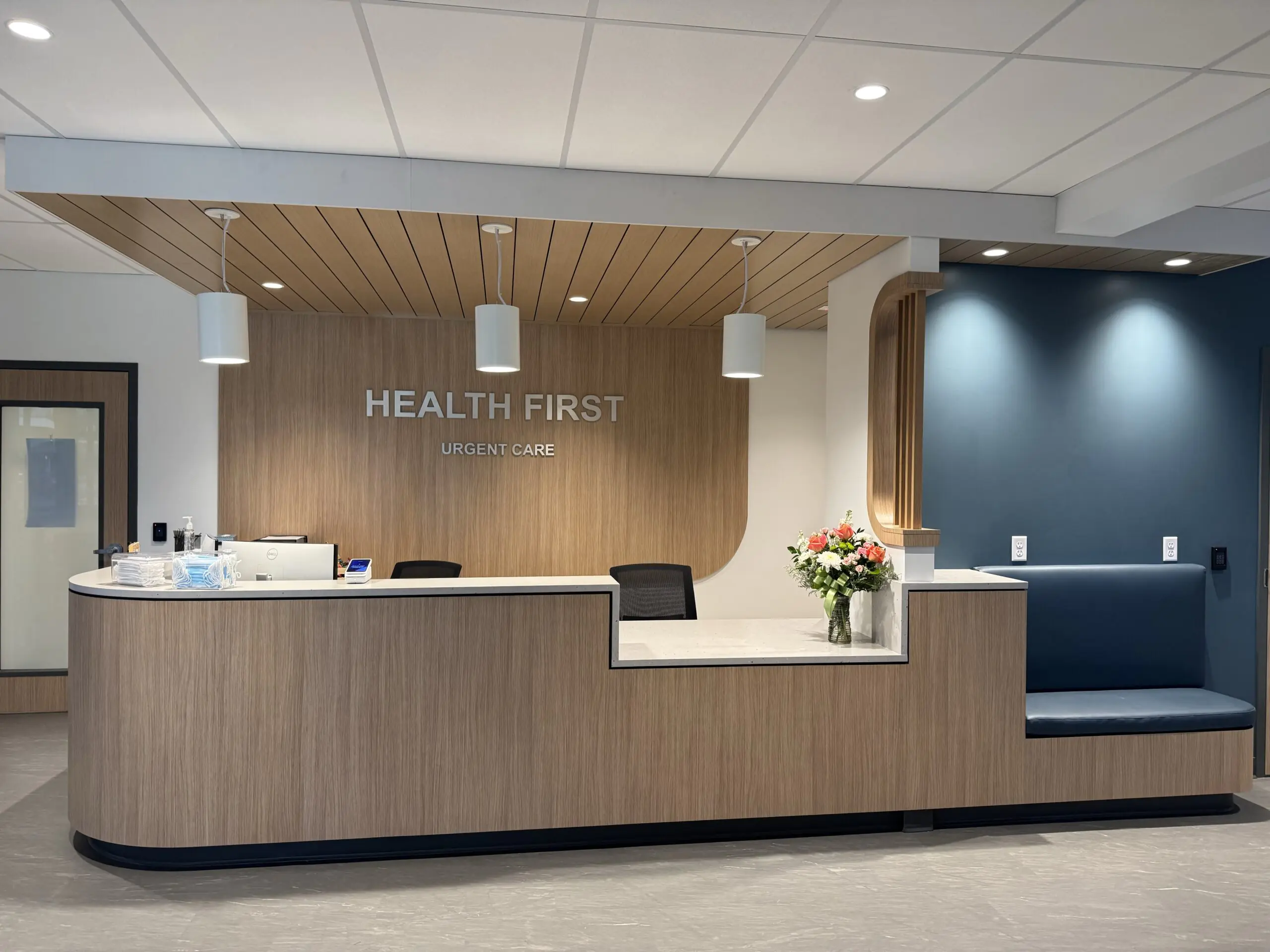
For Tri-Cities residents who need timely evaluation for symptoms or blood sugar concerns, Health First Urgent Care offers walk-in medical care seven days a week. Call ahead if you want to confirm lab testing availability or ask what to bring for your visit.
A diabetes test is not something to put off when your body is giving you persistent signals. Getting checked promptly can provide reassurance, identify a treatable problem, and help you move forward with the right level of care.