A low advertised price may not tell you what you’ll pay by the end of your DOT physical. The DOT physical exam cost might cover the initial evaluation but not extra testing, records, or a follow-up appointment. Providers also differ in how they handle paperwork and payment, so it’s worth asking a few questions before you book. Request an itemized estimate, check whether your employer has an approved-provider policy, and ask your insurer whether any coverage applies. If you’re searching in the Tri-Cities, contact clinics in Richland, Pasco, or Kennewick directly to verify current pricing and availability.
Key Takeaways
- Confirm the current price: DOT physicals often cost $75 to $150, but fees vary by clinic and location.
- Check what’s included: Ask whether screenings, paperwork, follow-up visits, or extra testing cost more, and verify insurance or employer payment options.
- Call ahead and prepare: Tri-Cities clinics may vary in DOT exam availability. Confirm the examiner is on the FMCSA National Registry, then bring ID, medication details, relevant records, and any glasses or hearing aids you use.
How Much Does a DOT Physical Cost?
A DOT physical commonly costs $75 to $150, but the total depends on the provider, location, and services included. Since there is no single nationwide fee, ask the clinic for its current price and what it covers before scheduling.
Typical prices by provider type
The price can vary between occupational health clinics, urgent care centers, and other providers that perform DOT physicals. One cost overview estimates that a standard exam generally ranges from $75 to $150, with urgent care fees often in a similar range. These figures are general estimates, not a quote for a specific clinic. The Federal Motor Carrier Safety Administration does not set exam prices, so local rates may differ.
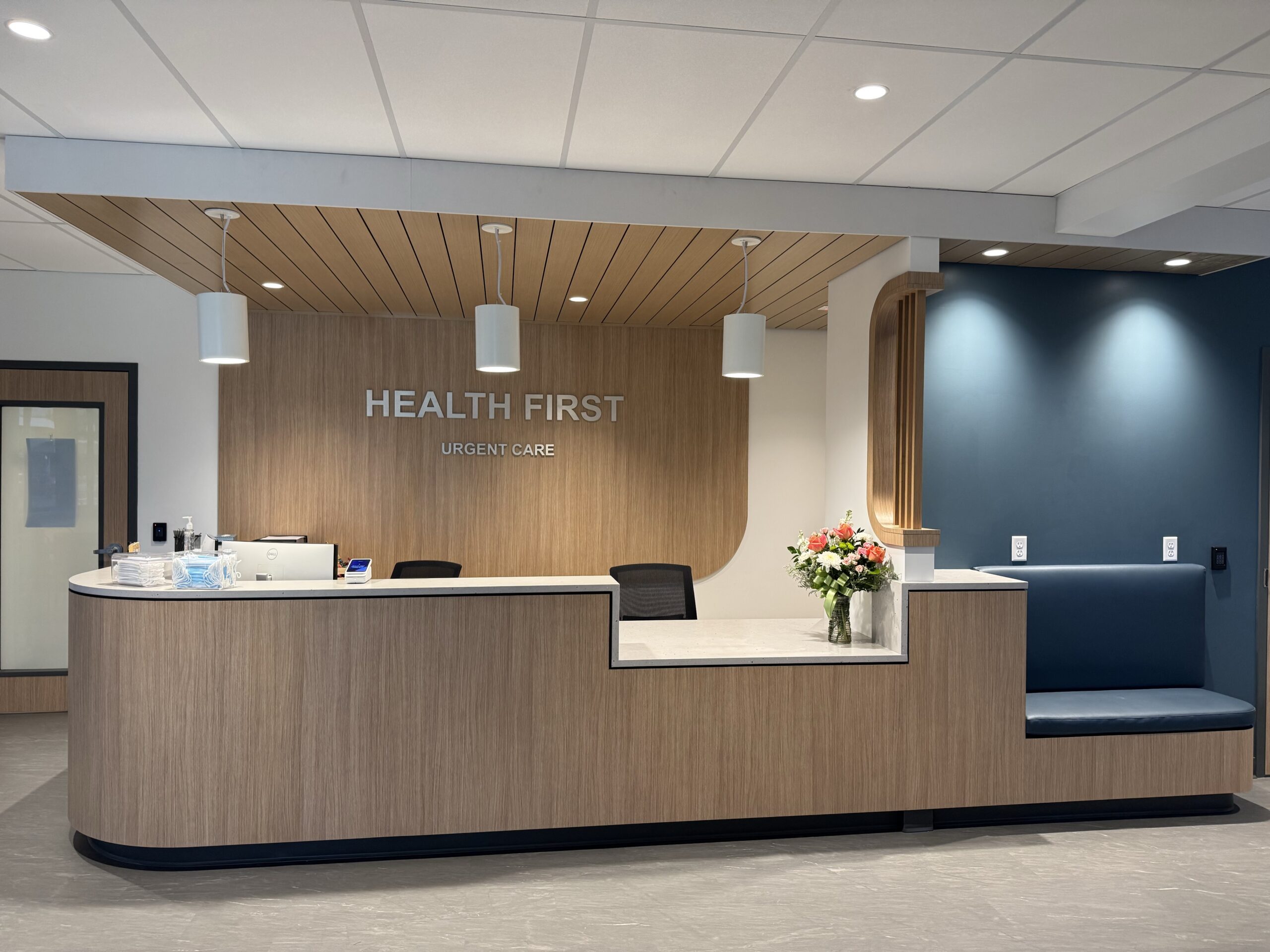
If you’re searching in the Tri-Cities, contact clinics in Richland, Pasco, or Kennewick to ask whether they offer DOT physicals and confirm their current fees. Health First Urgent Care’s services and availability may vary by location, so check directly before making plans.
Why advertised prices may not show the full cost
An advertised price may cover only the initial exam. Additional charges could apply if you need extra lab work, a follow-up visit, retesting, or an evaluation by a specialist. Some providers may also charge for documentation, replacement certificates, or missed appointments. Ask which services are included and what could add to the bill.
Insurance may not cover a DOT physical because many plans treat it as an employment-related exam rather than preventive care. Check with your insurer and the clinic to confirm how payment works. Before scheduling, ask for the all-inclusive price and whether the clinic expects payment at the appointment. This can help you plan for the full cost, not just the advertised fee.
Compare included services before booking
Compare what each provider includes, not just the price. Ask whether the fee covers the medical history review, physical exam, vision and hearing checks, urine screening, and required paperwork. Also ask whether a follow-up visit costs extra if the examiner needs more information before making a certification decision.
Request an itemized estimate and ask which circumstances could change the total. For example, a missing medical record or a need for additional testing may require another visit. If your employer has specific documentation requirements or recommends an approved provider, confirm those details before booking. You can also contact Health First Urgent Care directly to ask about DOT physical availability, current pricing, and payment options.
What Affects DOT Physical Costs?
The cost of a DOT physical can depend on the provider, what the exam fee includes, and whether you need follow-up care or additional testing. Ask for the full price before booking so you can compare providers fairly.
Provider type, location, and examiner qualifications
DOT physical fees aren’t set by the federal government, so prices vary by provider and location. A standard exam may cost around $75 to $150, but that range is a general estimate, not a quote for the Tri-Cities. Clinics may charge different rates depending on their services and how they structure their exams.
The examiner’s credentials matter, too. DOT physicals must be performed by a medical professional listed on the FMCSA National Registry. Before scheduling in Richland, Pasco, or Kennewick, confirm that the provider offers DOT physicals and ask about current pricing. You can check Health First Urgent Care’s locations and contact the clinic to confirm availability and fees.
Services included with the exam
An exam fee commonly covers a medical history review, a physical exam, blood pressure and pulse checks, vision and hearing screenings, and a urinalysis. However, providers may differ in what they include in the quoted price. Ask for an itemized list so you know whether the fee covers each part of the exam.
Also confirm whether the price includes the Medical Examiner’s Certificate if you qualify, or if paperwork is billed separately. A urinalysis is typically part of the physical, but it is not a drug test, so ask whether any requested drug testing carries an additional fee. Review typical DOT physical costs and included services to help you prepare questions for the provider.
Follow-up visits and additional testing
Your first appointment may not resolve every question about your medical fitness. If the examiner needs more information about a health condition, you may need to provide records from your primary care provider or a specialist. Getting those documents ready in advance can help reduce delays and the chance of another visit.
Additional expenses may include specialist evaluations, sleep studies, extra lab work, retesting, or a follow-up appointment. These costs are usually separate from the initial exam fee, and what you need depends on your circumstances. Ask the provider how follow-ups are handled and whether there are separate charges for extra testing or paperwork. If you have a condition or take medication that could come up during the exam, ask your treating provider which records to bring.
What Does the DOT Physical Fee Include?
A DOT physical fee usually covers the medical examiner’s evaluation and routine screenings. What’s included can vary by clinic, so confirm what the quoted price covers before booking. Ask whether it includes the exam, required paperwork, and any certificate you may receive if you qualify.
Medical history, vital signs, and physical exam
The examiner will review your medical history, including current and past health conditions, surgeries, medications, and symptoms that could affect driving. Bring a current medication list and relevant medical records so you can answer questions accurately.
The exam also typically includes checks of your blood pressure and pulse, followed by a general physical examination. These steps help the examiner assess your health and identify issues that may need further review. Epic Health Systems’ DOT physical cost overview describes a health history review, vital signs, and a physical exam as common parts of the base fee. Still, check with the clinic to confirm what its price includes.
Vision, hearing, and urine screenings
DOT physicals typically include vision and hearing screenings, along with a urine test. These checks help the medical examiner assess whether you meet the applicable requirements for commercial driving. Bring your glasses, contact lenses, or hearing aids if you use them.
Screening details and fees may vary by clinic. UCHealth’s overview of DOT physicals lists vision and hearing tests and a basic urinalysis as typical parts of the exam. Before your appointment, ask whether these screenings are included in the quoted price. If you have a health concern that could affect a screening, bring relevant records and ask whether the examiner may need additional information.
What the urine screen checks, and how it differs from a drug test
The urine test performed as part of a DOT physical is generally a basic urinalysis. It checks for indicators such as protein, blood, and sugar, which can point to health issues that may need attention. This screening is not a drug test.
That distinction can affect your appointment’s total cost. An employer may require a separate drug test, which can involve a different process and fee. Ask your employer or the clinic whether drug testing is part of your appointment, and confirm the price for each service before you go. Epic Health Systems explains the difference between urinalysis and drug testing.
Medical Examiner’s Certificate, if you qualify
If the medical examiner determines that you meet the requirements to drive a commercial motor vehicle, they complete a Medical Examiner’s Certificate. The Federal Motor Carrier Safety Administration’s certification guidance explains that qualified drivers receive a copy of their exam results and a completed certificate.
The certificate is issued only if you qualify. If the examiner needs more information, such as records from your treating provider, the decision may require additional review or a follow-up visit. When you ask about the exam fee, confirm whether the certificate and other paperwork are included and whether an additional appointment would cost extra. Keep your certificate accessible and note its expiration date so you can plan for your next exam.
What Extra Fees Might You Pay?
The quoted price may cover only the initial DOT physical. Drug testing, additional evaluations, repeat tests, and paperwork may cost extra. Before scheduling, ask for an itemized price and confirm which services are included. If you’re comparing clinics in Richland, Pasco, or Kennewick, check directly with each provider about current availability and fees.
Drug tests, follow-up exams, and additional testing
A DOT physical and a drug test are separate services. The urine screening that is part of the physical checks for health indicators; it is not a drug test. If your employer requires a pre-employment or random drug screen, ask whether the clinic offers it and whether it can be done during the same visit. One provider estimates a separate drug screen may cost an additional $50 to $80, but prices vary by clinic. Further testing or a follow-up exam may also add to your total if the examiner needs more information before making a certification decision. Review the provider’s discussion of possible DOT physical costs, then confirm fees with the clinic you plan to visit.
Specialist evaluations and medical records
A health condition may mean the examiner needs more information before deciding whether you qualify for certification. You might need to provide records from your primary care provider or a specialist, or get a letter explaining how your condition is managed. The cost of obtaining records, arranging an evaluation, or requesting a clearance letter may be separate from the physical exam fee. If you have a condition that could affect your exam, contact the clinic before your appointment and ask what documentation to bring. You can also check with your treating provider about records that may be helpful. Arriving with relevant information can help the examiner assess your situation and may reduce the chance that you’ll need to return.
Retests, paperwork, and replacement certificates
The advertised price may not include every service related to your exam. Ask whether it covers retesting if a test component needs to be repeated, follow-up paperwork, and any extra copies or replacement certificates. Further tests or evaluations may also have separate fees. Some clinics charge for missed appointments, so check the cancellation policy before you book. An overview of potential DOT physical expenses can help you prepare questions, but the clinic is the best source for its current prices and policies. Request an itemized estimate in advance so you can see which services are included and which could add to your out-of-pocket cost.
How missing records or health concerns can lead to extra visits
If important medical information is unavailable, the examiner may need to pause the evaluation while you request records, arrange testing, or get documentation from another provider. You may then need to return for a follow-up visit, which could involve another fee. Before your appointment, gather relevant records and make a current list of medications, including doses. If you have a health concern that could affect your exam, call ahead and ask what to bring. Planning for a possible follow-up can help you budget for the full process, rather than just the initial exam fee.
Does Insurance Cover DOT Physicals?
Why drivers may pay out of pocket
Many health insurance plans treat a DOT physical as an employment requirement rather than preventive or medically necessary care. As a result, you may need to pay for the exam yourself, even if you have health insurance. Coverage depends on your specific plan, so check before scheduling instead of assuming the visit will be covered.
A DOT physical determines whether you meet the medical standards for commercial driving. It serves a different purpose from a routine wellness checkup, which some plans cover. Epic Health Systems explains why DOT physicals are often paid out of pocket. Ask the clinic whether payment is due at your visit and whether it can provide an itemized receipt.
Check your plan before scheduling
Call your insurance company and ask directly whether your plan covers a DOT physical for commercial driving certification. Find out whether you must visit an in-network provider, get a referral, or meet other requirements. If the exam may be covered, ask what documents you’ll need and whether a copay or deductible applies.
Contact the clinic, too, to confirm the exam price, what it includes, and whether additional services have separate fees. Check your employer’s policies before booking, since your workplace may require you to use a particular clinic or submit expenses in a specific way. Epic Health Systems recommends checking employer policies before arranging an exam.
Employer payment, reimbursement, and required documents
Some employers pay for a DOT physical directly. Others require drivers to pay at the visit and request reimbursement afterward. Check with your employer before booking to learn whether you need to use an approved medical examiner, which forms or receipts to submit, and whether there’s a deadline. Some employers may reimburse the cost, as Ohio DOT Physicals explains.
Keep your receipt and exam paperwork, and ask whether your employer needs a copy of your Medical Examiner’s Certificate. Drivers generally need a new exam every two years, though certain health conditions may require more frequent exams, according to UCHealth’s DOT physical guidance.
How Can You Prepare and Avoid Extra Costs?
Preparing for your DOT physical can help prevent delays and make it easier to understand what you may need to pay. Before your visit, confirm what the exam fee includes, gather relevant records, and bring any devices you use for vision or hearing.
Bring ID, medical records, and a current medication list
Bring a government-issued photo ID, such as your driver’s license or CDL, and a current list of your medications, including dosages. If you have a condition that may affect the exam, bring relevant medical records or recent test results. Records related to diabetes, heart disease, or sleep apnea can help the examiner review your health history and decide whether more information is needed. Ohio DOT Physicals recommends bringing identification, medication details, and relevant records. If you’re unsure which documents to bring, call the clinic before your visit. Having paperwork ready may help prevent delays or an extra trip to provide missing information.
Bring your corrective lenses or hearing aids
Bring the glasses or contact lenses you usually wear, along with any hearing aids you use. The examiner may assess your vision and hearing as part of the physical, so bring the devices you rely on and any relevant records you have. UCHealth explains that hearing is one part of a DOT physical. Don’t assume you can complete the screenings without your usual devices. If you have questions about a particular device or what the exam requires, check with the clinic before you go. Being prepared helps the examiner assess you with the support you normally use and may reduce the chance of needing to return for another screening.
Ask about fees for follow-up visits and additional services
Before booking, ask for the total price and a clear list of what it covers. Check whether follow-up visits, additional testing, paperwork, retesting, or a replacement certificate have separate fees. You can also ask about charges for missed appointments or rescheduling. An examiner may need more information before completing the process, so knowing how those services are billed can help you plan. Epic Health Systems advises asking providers for all-inclusive pricing and details about possible extra fees. Comparing the same services across clinics gives you a clearer picture of the likely cost than comparing advertised prices alone.
Keep taking prescribed medication unless your provider advises otherwise
Take your prescribed medication as directed unless the clinician who manages your care tells you to change it. Stopping medication on your own can affect your health and may complicate the exam. If you take medication for a condition such as high blood pressure or diabetes, bring its name and dosage, along with records that explain how the condition is managed. Family Medical Centers recommends following your clinician’s medication instructions and keeping existing conditions under control. If you’re concerned that a medication could affect your certification, contact your prescribing clinician or ask the medical examiner before your appointment. Don’t change your treatment just to prepare for the physical.
What Should You Ask Before Booking?
Before choosing a clinic, confirm the full cost, what the exam includes, and whether the provider meets your employer’s requirements. A quick call can help you avoid unexpected charges or an extra trip.
Ask for the total price and an itemized list of services
Ask for the total price of the DOT physical and an itemized list of what it covers. Find out whether the fee includes the exam, required screenings, paperwork, and a Medical Examiner’s Certificate if you qualify. If the advertised price covers only part of the visit, ask what other services may cost.
Check whether follow-up visits, retesting, or additional documentation come with separate fees. These charges vary by provider, so it helps to compare what each clinic includes rather than comparing headline prices alone. Epic Health Systems’ guide to DOT physical costs recommends asking about documentation, retesting, and missed-appointment fees. If a clinic can’t give you a final total in advance, ask what might change the price.
Confirm payment methods, cancellation policies, and possible fees
Ask which payment methods the clinic accepts and when payment is due. Many drivers pay for DOT physicals themselves because the exam is related to work certification, and insurance may not cover it. Coverage depends on your plan, so check with your insurer before your visit. UCHealth’s DOT physical information notes that these exams are commonly paid for upfront.
Confirm whether the clinic charges for late cancellations or missed appointments. If you plan to walk in, call first to ask whether DOT physicals are available that day and whether you should expect a wait. You can also ask what happens if the examiner needs more records or testing. Health First Urgent Care offers walk-in care seven days a week, but contact the clinic to confirm DOT physical availability, pricing, and payment options before heading in.
Check whether your employer requires an approved provider or offers fleet pricing
Before booking, ask your employer, fleet manager, or CDL training program whether you must use a specific provider. Some employers require an approved examiner or particular forms. Confirm those details, including any deadlines, so you can choose a clinic that meets the requirements.
Find out whether your employer pays the fee directly, reimburses you, or offers group pricing for drivers. Policies vary, so ask what receipts or other documents you’ll need. Epic Health Systems’ DOT physical cost guide also recommends checking with your employer about payment or reimbursement before scheduling. If you need a form completed, bring it to the appointment and confirm in advance that the clinic can handle it.
Where Can Tri-Cities Drivers Get a DOT Physical?
Drivers in Richland, Pasco, and Kennewick can contact nearby clinics to ask whether they offer DOT physicals. Confirm the examiner’s qualifications, the total fee, and whether you need an appointment before you go. A clinic that provides routine physicals may not offer DOT exams, so check directly rather than assuming the service is available.
Health First Urgent Care serves the Tri-Cities, but DOT physical availability may vary by location. Call ahead to confirm whether an exam is offered, what it costs, and what to bring. These questions can help you choose a convenient clinic and prepare for your visit.
Confirm the examiner appears on the FMCSA National Registry
A DOT physical must be performed by a medical examiner listed on the Federal Motor Carrier Safety Administration’s National Registry. Ask the clinic for the examiner’s name, then check the FMCSA’s DOT medical exam guidance to verify their listing. This confirms the examiner meets federal training and certification requirements.
When you call, ask whether the examiner completes the required paperwork and provides the Medical Examiner’s Certificate if you qualify. Bring your medical history, current medication list, and relevant health records. Having these details ready can help the examiner review your information during the visit.
Check availability in Richland, Pasco, and Kennewick
Contact clinics in the city that best fits your route or schedule, and verify they currently perform DOT physicals. Ask whether they accept walk-ins or require an appointment, and whether the examiner is available on the day you plan to visit. DOT exams have specific requirements, so don’t assume a clinic that offers general physical exams also provides them.
Health First Urgent Care’s locations page lists its Tri-Cities clinics. Call to confirm whether a DOT physical is available at the location you prefer. You can also review Health First’s information about what happens at a DOT physical before your visit.
Contact Health First Urgent Care to confirm availability, pricing, and payment options
Before visiting, call Health First Urgent Care to ask whether DOT physicals are currently available and what the exam costs. Confirm what the fee includes, and ask whether additional testing, paperwork, or a follow-up visit could involve extra charges. If your employer is covering the exam, check whether the clinic can provide a receipt or documentation for reimbursement.
You can review Health First’s services, then contact the clinic to confirm current availability and payment options. Ask what identification, medical records, or employer forms to bring. A quick call can help you arrive prepared and understand the expected cost before your appointment.
Related Articles
- DOT Physical Cost: What You Should Expect to Pay
- DOT Physical Cost Ohio
- DOT Department of Transportation Physicals
- Why Are DOT Physicals Important?
Frequently Asked Questions
How much should I budget for a DOT physical?
Many DOT physicals cost about $75 to $150, but the fee depends on the clinic and what’s included. Call ahead for the current price and ask about possible charges for follow-up visits or additional testing.
Does health insurance usually pay for a DOT physical?
Many plans don’t cover DOT physicals because they’re related to work certification. Check with your insurer and employer before booking to find out whether you’ll pay out of pocket or can request reimbursement.
Is the urine test part of a DOT physical a drug test?
No. The physical usually includes a urinalysis to check for certain health indicators. An employer-required drug test is a separate service and may cost extra.
What should I bring to my DOT physical?
Bring photo identification, a current medication list, and relevant medical records. If you use glasses, contact lenses, or hearing aids, bring them as well. Check with the clinic to see whether your employer requires specific forms.
Can I get a DOT physical at Health First Urgent Care in the Tri-Cities?
Availability may vary by location. Call Health First Urgent Care before visiting to confirm whether DOT physicals are offered, whether you need an appointment, and what the exam costs.