A missed medical clearance, an incomplete respirator requirement, or a new-hire physical that happens too late can hold up a job before the first shift begins. This guide to employee health screenings gives employers a practical way to plan the right visits, protect employee privacy, and keep work moving without adding unnecessary steps.
Employee health screenings are not one-size-fits-all. A warehouse worker, a commercial driver, an office employee, and a healthcare worker may each need something different. The useful approach is to connect the screening to the actual duties, workplace risks, and regulatory requirements of the position.
Start With the Job, Not a Generic Checklist
The best screening program begins with a clear description of what the employee will do. Before requesting a physical, lab test, or clearance, identify the essential job functions and any real workplace exposures. This prevents employers from ordering tests that are not relevant and helps the clinic provide documentation that supports the role.
For example, a position requiring a commercial driver license may require a DOT physical. A worker who must wear a tight-fitting respirator may need medical clearance and mask fitting. A role involving lifting, climbing, repetitive movement, or safety-sensitive duties may call for a job-specific pre-employment physical.
A general wellness conversation can be valuable, but it is different from an occupational screening. Keep those goals separate. A workplace screening should answer whether the employee can safely perform the job, meet a defined requirement, or complete a required process. It should not become an open-ended search for unrelated health information.
Common Reasons Employers Request Screenings
Employers often arrange screenings for a new hire, a return-to-work decision, an annual compliance requirement, or a change in job duties. Other common needs include drug and alcohol testing, tuberculosis testing, vaccine documentation, respiratory protection clearance, and physical exams for regulated roles.
The right timing matters. Some exams are appropriate after a conditional job offer, while others are recurring requirements for current employees. If a test or exam is tied to a job category, apply the same standard to everyone in that category. Consistency helps reduce confusion and supports a fair process.
A Guide to Employee Health Screenings by Type
Pre-employment physicals
A pre-employment physical assesses whether a candidate can perform the essential functions of a specific position. Employers should provide a clear job description, including physical demands such as lifting limits, standing, bending, climbing, use of personal protective equipment, and exposure to heat, noise, or other hazards.
The result should be practical: cleared, cleared with restrictions, or not cleared for the stated duties. If restrictions are identified, the employer can review whether reasonable accommodations or a different assignment may be appropriate. Medical details should remain with the healthcare provider rather than being shared broadly at work.
DOT physicals
Commercial drivers must meet federal medical standards to maintain certification. DOT physicals are more detailed than a standard work physical and must be completed by an appropriately certified medical examiner. Drivers should bring required identification, corrective lenses or hearing aids they use, medication information, and any relevant medical records or specialist documentation.
Employers can help by scheduling renewals before a medical certificate expires. Waiting until the final week can create avoidable downtime if follow-up information is needed.
Respirator medical evaluations and mask fittings
Workers who use tight-fitting respirators may need a medical evaluation before fit testing and use. This step considers whether the employee can safely wear the equipment while performing the job. A fit test then confirms that a specific make, model, style, and size of respirator provides an adequate seal.
Facial hair can interfere with the seal of a tight-fitting respirator. Employees should understand the workplace policy before arriving for fitting. Employers should also remember that a fit test is not permanent. Changes in facial structure, weight, equipment type, or job conditions can make repeat testing necessary.
Drug and alcohol testing
Drug and alcohol testing programs need written policies, consistent procedures, and careful chain-of-custody practices. Testing may be required before employment, after an incident, based on reasonable suspicion, randomly for regulated positions, or as part of a return-to-duty process.
The rules differ based on the industry, funding requirements, collective bargaining agreements, state law, and federal regulations. Employers should confirm their policy and legal obligations before testing begins. A clinic can perform collection services, but the employer remains responsible for having a compliant program.
Immunizations, TB testing, and lab work
Vaccines, tuberculosis testing, and selected lab tests may be needed for employees in healthcare, childcare, public safety, food-related work, or other roles with exposure risks. Requirements can come from an employer policy, licensing body, contract, or public health guidance.
Use a clear recordkeeping process. Employees should know what documentation they need, when it expires, and whether they must return for a second step, such as a TB test reading. Small details matter when a worker needs clearance by a set start date.
Protect Privacy While Giving Supervisors What They Need
Health screening information should be handled differently from routine personnel records. Supervisors usually need to know only whether the employee is cleared for duty, has restrictions, or needs follow-up. They generally do not need diagnoses, test results, or a full medical history.
Keep medical documentation in a separate, secure file with limited access. Be careful with email, shared drives, and paper documents left at a front desk. A simple process for who receives results and how they are stored reduces the risk of an accidental disclosure.
Federal and state employment rules can affect when and how employers request medical information. Requirements involving disability accommodations, genetic information, paid leave, and regulated testing can be complex. When there is uncertainty, get guidance from employment counsel or a qualified human resources professional. A screening process should support safety without asking for more health information than the job requires.
Make the Visit Easy for Employees
A screening program only works when employees can complete it without losing half a workday. Give each employee a short instruction sheet before the visit. Include the purpose of the appointment, the job title, the forms they need, whether fasting is required, what identification to bring, and any time-sensitive deadlines.
For physicals, share the job description with the clinic in advance or have the employee bring it. For DOT visits, remind drivers to bring medication lists and relevant records. For mask fittings, confirm the respirator model and size options. These steps reduce repeat visits and delayed clearances.
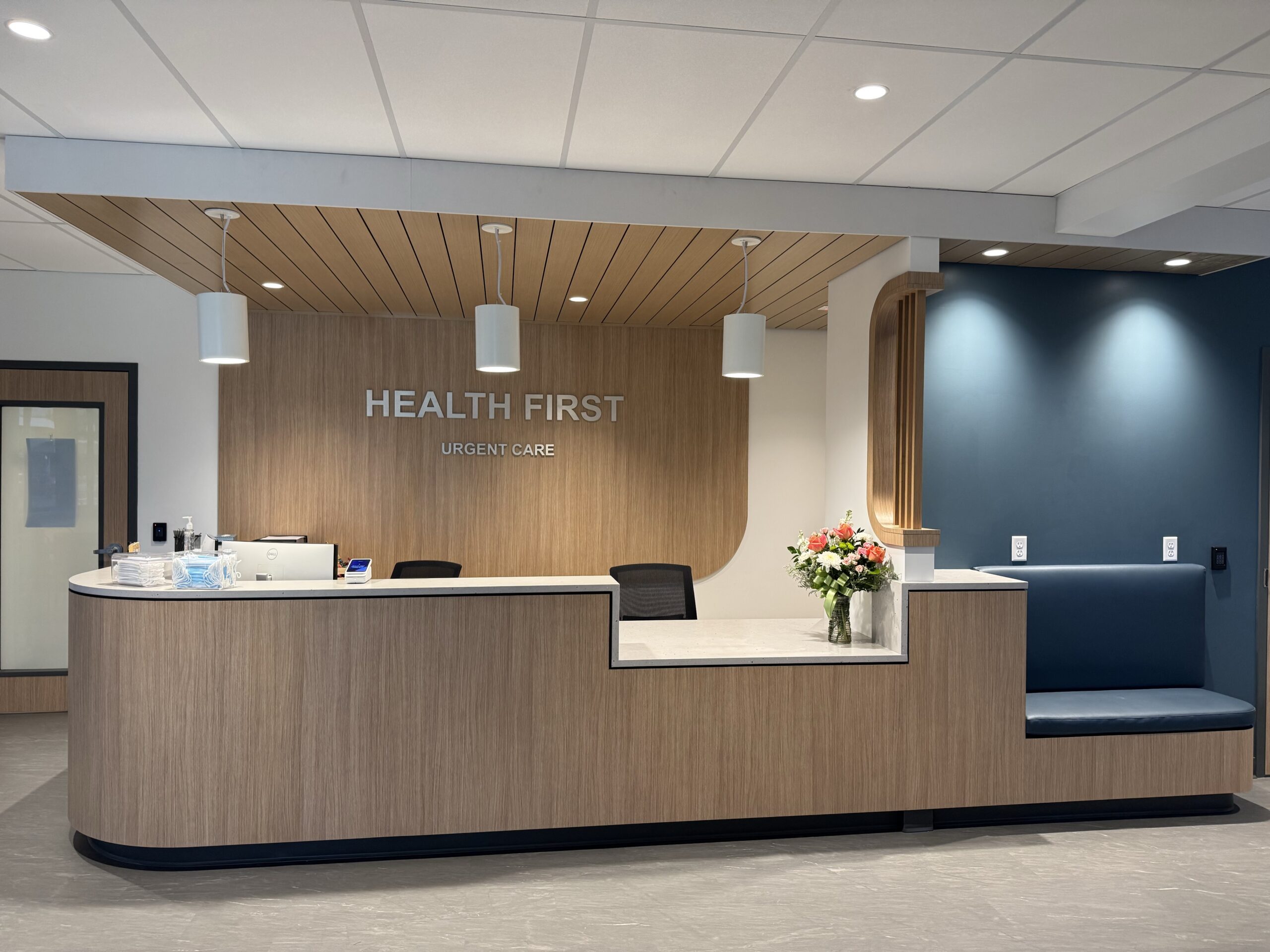
Walk-in access can be especially helpful when a new employee starts quickly, an existing worker needs a renewal, or a crew cannot wait weeks for an appointment. Health First Urgent Care provides occupational health services, including DOT physicals, pre-employment physicals, and mask fittings, for employers and workers who need a practical local option in the Tri-Cities.
Review the Program Before It Becomes a Problem
At least once a year, look at what is creating delays. Are employees arriving without the right forms? Are certificates expiring before anyone notices? Are managers requesting screenings that no longer match the job? A brief review can identify gaps before they affect staffing or compliance.
Track only the information necessary for operations, such as due dates, clearance status, and required follow-up. Avoid building a spreadsheet full of medical details. The goal is a reliable process, not an oversized health file.
A well-run screening program gives employees clear expectations and gives employers timely, job-relevant answers. Start with the work being performed, use the right screening for the risk, and make each visit straightforward enough that employees can get back to work prepared.