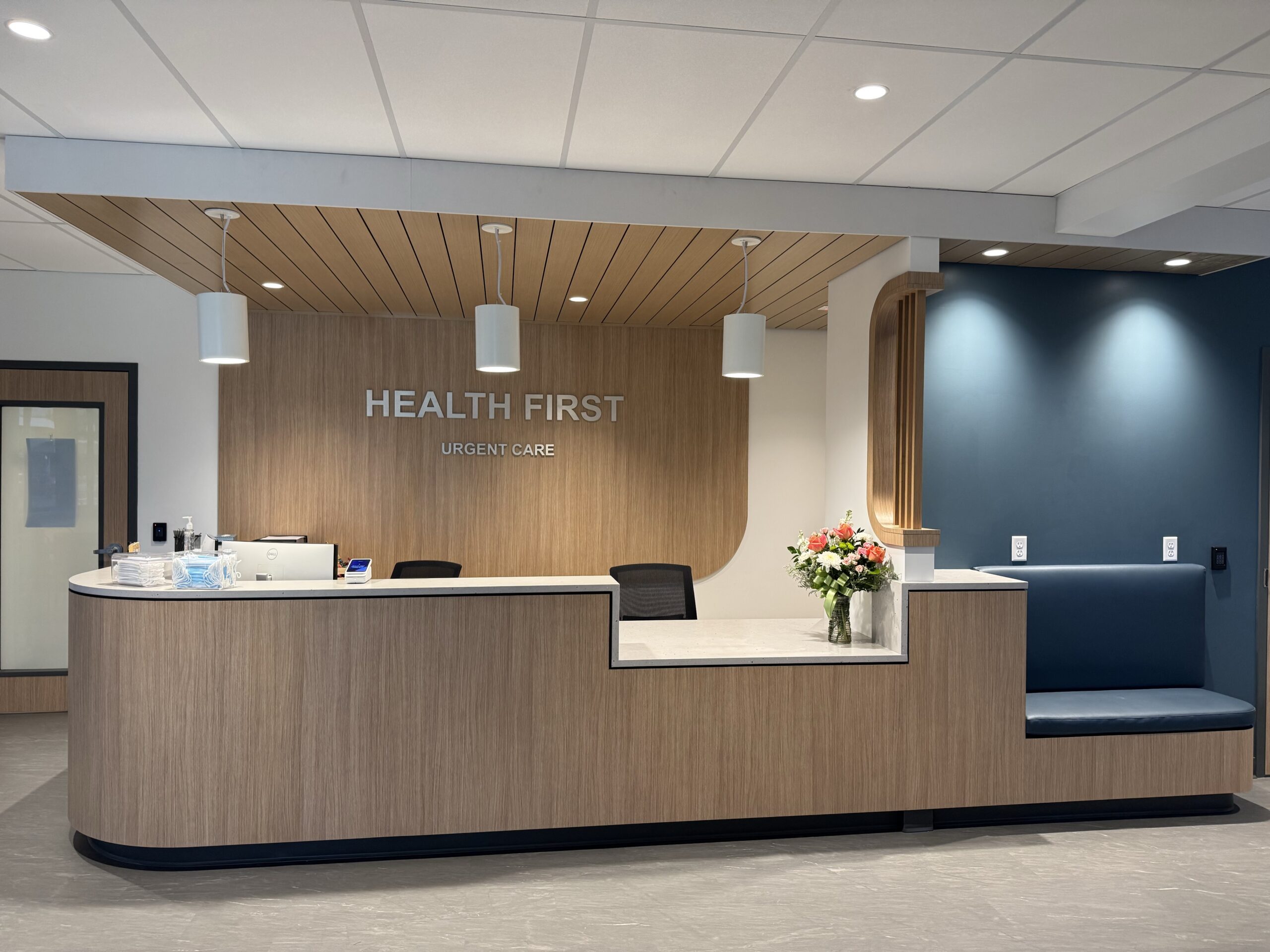
A job offer can move quickly from a phone call to paperwork, onboarding, and a requested medical exam. This guide to pre employment physicals explains what that visit is for, what you may be asked to do, and how to arrive prepared so your hiring process stays on track.
A pre-employment physical is not a one-size-fits-all exam. The right exam depends on the position, the workplace, and the physical demands of the job. An office role, a warehouse position, a healthcare role, and a commercial driving job may each require different assessments.
What Is a Pre-Employment Physical?
A pre-employment physical is an occupational health exam completed after an employer requests medical clearance or documentation for a position. Its purpose is usually to confirm that a candidate can safely perform the essential duties of the job, sometimes with reasonable accommodation.
The employer should provide instructions describing the exam, forms to complete, and any job-specific testing needed. In many cases, the employer also identifies the clinic, payment process, and whether the visit must be scheduled before a start date.
The exam is generally focused on work readiness, not on replacing your routine care with a primary care provider. The clinician reviews the information relevant to the assignment and documents the findings required by the employer or program.
Why Employers Request These Exams
Employers use pre-employment physicals to support workplace safety and match the exam to the actual demands of the job. For a role involving lifting, repetitive movement, driving, respirator use, patient care, or work around certain hazards, an employer may need more than a basic health history.
A well-defined process can help employers establish a consistent standard for candidates in the same job category. It can also identify whether additional evaluation, restrictions, or follow-up documentation is needed before someone begins work.
For applicants, the practical benefit is clarity. Completing the requested exam promptly can prevent avoidable delays between accepting an offer and beginning the job.
What Happens During the Visit?
Your appointment usually starts with registration, identity verification, and employer paperwork. Bring a government-issued photo ID and all forms or instructions you received. If the employer gave you an authorization form, voucher, job description, or claim number, have it ready at check-in.
The clinician may ask about your medical history, medications, prior surgeries, injuries, allergies, and current symptoms. Answer honestly and directly. If you have a condition that is stable and managed, it is often helpful to know the medication name, dosage, and the name of the clinician who treats you.
A standard exam may include measurements such as height, weight, blood pressure, pulse, and vision. Depending on the job, the visit can also include a physical evaluation of your heart, lungs, abdomen, joints, strength, range of motion, balance, or hearing.
The clinic may perform or coordinate additional employer-requested services. These can include urine testing, tuberculosis screening, drug or alcohol testing, immunization review, laboratory work, respirator clearance, mask fitting, or a DOT physical for qualifying commercial drivers. Not every job requires every test. The employer’s instructions determine the scope of the visit.
How to Prepare for a Pre-Employment Physical
Preparation is simple, but it matters. First, read the employer’s instructions before you leave home. Do not assume a general physical is enough if the job requires a specific form, test panel, or certification.
Wear comfortable clothing that allows you to move easily if the exam includes lifting, squatting, bending, reaching, or other functional tasks. Closed-toe shoes are often a good choice for positions with physical-demand testing. Avoid arriving dehydrated or skipping meals unless you were specifically instructed to fast for lab work.
Bring your photo ID, employer paperwork, corrective lenses if you use them, and a medication list. If you wear hearing aids, bring them as well. For a role requiring vaccination records or tuberculosis documentation, bring those records rather than relying on memory.
If you have had a recent injury, surgery, or work restriction, do not wait until the end of the visit to mention it. Explain what happened, what treatment you received, and whether you have release-to-work paperwork. The clinician may need more information before completing a clearance form.
Be Clear About Job Requirements
The most useful pre-employment exams are tied to the actual work. A job description can help the clinician understand whether the position involves frequent lifting, climbing, driving, standing for long periods, patient transfers, respirator use, or work in heat and noise.
If you are unsure what the employer expects, ask before the appointment. A quick question to the hiring contact can clarify whether you need a general physical, a drug screen, a mask fitting, a DOT exam, or multiple services in one visit.
This is especially relevant when an offer includes language such as “medical clearance” without listing the details. Showing up with the wrong paperwork or at the wrong type of appointment can create a delay that neither you nor the employer wants.
Common Reasons an Exam May Need Follow-Up
Most applicants complete the required visit without major issues. Still, some results may need follow-up before a form can be finalized. Examples include elevated blood pressure, incomplete vaccination records, a vision issue for a driving-related position, an abnormal screening result, or a current injury that affects a required task.
Follow-up does not automatically mean you will lose the job. It may mean the clinician needs outside records, repeat testing, a specialist’s note, or time for a condition to be evaluated. The timeline depends on the employer’s requirements and the type of finding.
Be cautious about trying to hide a health concern or change your medication routine just for the exam. That can create safety problems and may complicate the documentation. Accurate information gives the clinician the best chance to make an appropriate determination based on the job requirements.
Privacy and Results
Medical information from an occupational health visit is handled differently from ordinary hiring paperwork. Employers generally receive the work-related result or documentation they need, such as whether a required exam was completed or whether additional clearance is needed. The exact information shared depends on the authorization, the type of exam, and applicable rules.
If you have questions about what will be sent to your employer, ask the clinic staff before the exam begins. It is also reasonable to ask whether you will receive a copy of the completed form or visit documentation for your records.
Choosing the Right Place for the Exam
Convenience matters when your start date is close. Look for a clinic that handles occupational health services, understands employer forms, and can provide the specific testing requested for your job. Confirm hours, check-in requirements, and whether the service is available as a walk-in or requires an appointment.
For workers and employers in the Tri-Cities, Health First Urgent Care provides occupational health visits, including pre-employment physicals, DOT physicals, and mask fittings. Calling ahead with the employer’s requirements can help ensure the appropriate visit is arranged.
A pre-employment physical is one more step between accepting the offer and getting to work. Bring the right documents, allow enough time for the visit, and ask questions early if an instruction is unclear. A prepared visit is usually a faster visit, and it helps everyone focus on the next step: your first day.