it You find out at 8:15 a.m. that a school form is due today, your employer needs a pre-employment exam before your start date, or your commercial driving paperwork cannot wait another week. That is exactly when a guide to same day physicals becomes useful. When timing matters, the goal is simple – know what kind of exam you need, bring the right paperwork, and choose a clinic that can handle it without sending you somewhere else.
Same-day physicals are built for real-life scheduling problems. They help when your primary care office is booked out, when an employer gives short notice, or when a sports clearance cannot wait for a routine appointment. But not every physical is the same, and that is where people lose time. A school or sports exam is very different from a DOT physical or a job-related clearance exam.
What a guide to same day physicals should answer first
The first question is not, “Can I be seen today?” It is, “What kind of physical do I actually need?” That matters because the exam, forms, timing, and follow-up can change depending on the purpose.
A general wellness physical is broader and often tied to preventive care. A sports physical usually focuses on whether a child, teen, or adult can safely participate in athletic activity. A school physical may overlap with sports requirements but can include vaccination records or district-specific paperwork. A pre-employment physical is based on the job and may involve function testing, drug screening, or employer forms. A DOT physical follows federal standards and must be completed by a certified medical examiner.
If you walk in without knowing which exam is required, you risk needing a second visit. The fastest appointment is usually the one where the patient arrives with the form in hand and clear instructions from the school, employer, or agency requesting the exam.
When same-day physicals make sense
Same-day care is a practical option when the need is straightforward and time-sensitive. That includes sports clearances, school forms, basic employment exams, and occupational health visits that are already defined by an employer or regulator.
It also makes sense when you are generally healthy and do not need long-term preventive care planning. If the main goal is clearance, documentation, or a focused exam, urgent care can be a good fit.
There are limits, though. If you are trying to establish primary care, need a complex chronic disease review, or want a full annual preventive workup with extensive follow-up, that is a different kind of visit. A same-day physical handles immediate needs well, but it is not meant to replace every role of a primary care office.
What to bring to a same day physical
Most delays happen at check-in, not in the exam room. Bring a photo ID, insurance card if you are using insurance, and any required forms. If the physical is for school, sports, work, or DOT certification, bring the exact paperwork you were given. Do not assume the clinic can recreate it from memory.
For minors, a parent or legal guardian may need to be present or may need to sign documents, depending on the type of exam and clinic policy. If it is for sports or a school physical, it helps to know vaccination history, past injuries, surgeries, allergies, and current medications.
For employment-related visits, bring anything your employer provided. That may include a job description, a request for services, or instructions for added testing. For DOT physicals, bring glasses, hearing aids, medication lists, and any medical documentation related to conditions such as high blood pressure, diabetes, sleep apnea, or heart disease. If a regulated exam requires additional records and you do not have them, certification may be delayed.
How the visit usually works
A same-day physical is usually efficient when the purpose is clear. After check-in, the clinical team will review your paperwork, medical history, medications, allergies, and vital signs. The provider then completes the exam based on the type of physical you need.
A basic school or sports exam often includes height, weight, blood pressure, vision screening if required, heart and lung exam, joint and mobility review, and questions about past injuries, fainting, asthma, or family cardiac history. A pre-employment exam may include more specific physical function checks tied to job duties.
DOT physicals are more structured. They follow federal requirements and may include vision and hearing checks, blood pressure review, urine screening as part of the medical exam, and a closer look at conditions that can affect safe driving. That does not mean every DOT visit ends the same way. Some drivers are fully certified on the spot, while others may need more records or a shorter certification period depending on their health status.
The trade-off: fast access versus full workup
Same-day service is about speed and convenience, but there is a trade-off. These visits are designed to answer a practical question quickly: can this person be cleared, examined, or documented today?
That works well for many patients. It is less ideal when the exam uncovers a problem that needs broader follow-up. High blood pressure, asthma symptoms, untreated anxiety, a new heart murmur, or poorly controlled diabetes can change what happens next. In those cases, the provider may complete part of the visit but recommend follow-up before final clearance or certification.
That is not a failure of the process. It is the point of the exam. A physical is not just paperwork. It is a medical screening, and sometimes the right answer is to pause, treat, or investigate before signing off.
A guide to same day physicals for work and compliance needs
For working adults, same-day physicals are often less about convenience and more about deadlines. Start dates, return-to-work requirements, commercial driving rules, and employer compliance timelines do not leave much room for rescheduling.
That is why occupational health matters in this setting. If your visit may involve employer paperwork, respirator or mask fitting requirements, drug screening, or DOT certification, it helps to choose a clinic that regularly handles those services. A general urgent care visit and an occupational medicine visit can overlap, but they are not always interchangeable.
This is especially true for DOT physicals. Those must be completed by a qualified examiner, and drivers with chronic conditions may need supporting documentation. If you wait until the day your card expires to gather those records, same-day availability may not solve the whole problem.
For pre-employment exams, the key question is whether the employer wants a simple physical, a job-specific exam, or a package that includes testing. The more clearly that is defined upfront, the smoother the visit will be.
How to avoid the most common delays
If you need the visit done today, a few simple steps make a big difference. Call ahead if your exam is tied to a job, DOT certification, or special paperwork. Ask what to bring, whether certain services require specific appointment timing, and whether there are any age or guardian requirements.
Complete patient forms before arrival if that option is available. Wear clothing that makes the exam easier, especially if movement testing is part of the visit. Bring a full medication list instead of trying to remember names and doses at the counter.
Most importantly, do not wait to mention a medical issue that could affect clearance. If you had a recent injury, passed out during exercise, use corrective lenses, or are being treated for a chronic condition, say so early. Surprises at the end of the exam slow everything down.
Is urgent care the right place for your physical?
Often, yes. For many families and working adults, urgent care is the most practical option for a same-day physical because it matches the reason they are seeking care in the first place – speed, accessibility, and straightforward service.
That said, the right setting depends on the exam. If you need a fast sports, school, pre-employment, or occupational health visit, urgent care can be a strong fit. If you need a full preventive relationship, specialist coordination, or long-term management of several conditions, that is a different lane.
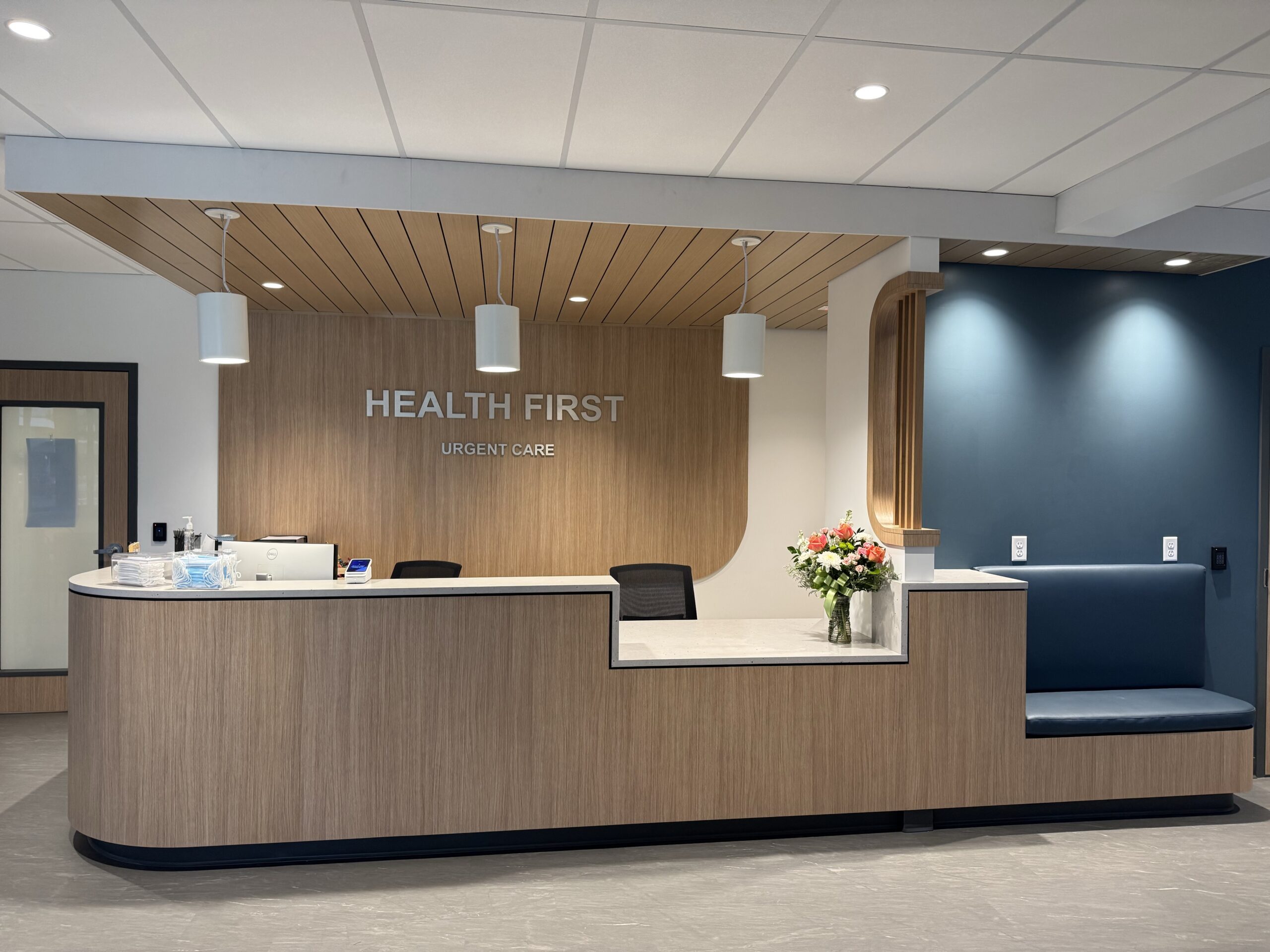
In the Tri-Cities, that distinction matters because people are balancing work schedules, school deadlines, and family logistics. A clinic like Health First Urgent Care is built around that reality, offering walk-in access for common same-day needs without making patients navigate a complicated system first.
The best approach is to treat same-day physicals like any other time-sensitive task: know the requirement, bring the paperwork, and choose a clinic that handles the exam you actually need. A little preparation can turn a stressful deadline into one quick stop and one less thing hanging over your day.