You find out on Tuesday afternoon that a school form is due Wednesday, your new job needs clearance before orientation, or your annual exam slipped through the cracks. That is when a walk in physical exam becomes more than convenient. It becomes the fastest way to keep life moving.
For many people, physicals are not about managing a complex medical condition. They are about meeting a requirement, checking general health, and getting paperwork completed without waiting weeks for a primary care appointment. That is where urgent care can help. A walk-in clinic can often handle routine physical needs the same day. This is especially true when the goal is a basic health review for school, sports, work, or general wellness.
What a walk in physical exam is really for
A walk in physical exam is a head-to-toe review of your general health performed without a traditional appointment. The exact purpose depends on why you need it. Some exams are straightforward and meant to confirm that you are generally healthy and able to participate in an activity or start a job. Others are more specific and tied to employer rules, safety standards, or government requirements.
That distinction matters. A basic annual wellness physical is not always the same as a sports physical. A pre-employment physical may include strength, movement, vision, or screening components that go beyond a routine exam. A DOT physical follows federal standards and must be completed by a certified medical examiner. So while urgent care is a practical option for many physicals, the details of the exam still depend on the form, the requirement, and the setting.
When urgent care makes sense for a physical
Urgent care is often the right fit when the main issue is timing. If you are healthy overall and need an exam quickly, walking in can save you from the delays that often come with traditional scheduling. This is especially useful for parents managing school deadlines, workers starting a new position, or adults who need a basic annual check for personal records or insurance purposes.
It can also make sense when your regular provider is unavailable, you do not currently have a primary care doctor, or your schedule does not leave much room for weekday office visits. Evening and weekend access matters when the need is practical and immediate.
There are limits, though. If you need long-term management of high blood pressure, diabetes, heart disease, or another ongoing condition, a primary care relationship is still the better home base. A walk in physical exam can identify concerns and document your current status. However, it is not a substitute for continuity of care when ongoing treatment decisions are involved.
Common types of walk-in physicals
The most common walk-in physicals are routine wellness exams, school physicals, sports physicals, and many pre-employment physicals. These visits usually focus on medical history, current symptoms, vital signs, a physical assessment, and completion of required forms.
A school or sports physical often checks heart and lung function, vision, joint mobility, prior injuries, and any history that could affect safe participation. A basic work physical may review your health status, medications, lifting ability, or other job-related factors depending on the employer.
Some occupational health visits need more than a standard exam. DOT physicals, respirator clearance, and other compliance-driven services may require a designated process, additional documentation, or a specific provider credential. In those cases, it is smart to confirm the clinic offers that service before you arrive.
What to bring to your physical exam
Showing up prepared can make the visit faster and help avoid repeat trips. Bring a photo ID, your insurance card if you are using insurance, and any forms that need to be completed. If the physical is tied to school, sports, or work, bring every page of the packet. This is true even if some sections seem repetitive.
You should also know your current medications, major past medical issues, allergies, and vaccination history if it is relevant to the form. Parents should be ready with a child’s medical history, past injuries, surgeries, and any restrictions or specialist follow-up.
If you wear glasses, contacts, or hearing aids, bring them. Vision and hearing can be part of the exam. For work-related physicals, any employer instructions matter too. Some companies require specific tests, and having that information at check-in can prevent delays.
What happens during a walk in physical exam
Most visits start with basic intake. You will provide your information, explain what kind of physical you need, and submit any forms. Clinical staff usually record your height, weight, blood pressure, pulse, temperature, and sometimes vision.
The provider then reviews your medical history and asks about current symptoms, chronic conditions, surgeries, medications, allergies, tobacco or alcohol use, and prior injuries if those details affect the purpose of the exam. After that comes the physical assessment. This often includes listening to your heart and lungs, checking your ears, nose, and throat, assessing your abdomen, looking at your posture and movement, and evaluating strength, flexibility, or joint function when needed.
If your visit is for sports, school, or work clearance, the provider may focus more closely on anything that could affect participation or job duties. If a concern comes up, clearance may still be possible, but sometimes it is deferred until more information is available. That is not unusual. A physical is meant to protect your health, not just fill out a form.
What can delay same-day clearance
Most routine physicals are straightforward, but there are cases where same-day completion is not possible. Missing paperwork is a common reason. If the clinic does not have the exact form or if a signature from a parent, employer, or school is missing, the visit may be incomplete even if the exam itself is done.
Medical findings can also change the timeline. Uncontrolled blood pressure, active symptoms, recent concussion, chest pain with exercise, untreated asthma, or limited recovery from an injury may require follow-up before the provider can sign off. In occupational health, a form may call for drug screening, TB testing, vaccine records, or fit testing that goes beyond a general exam.
This is why the best approach is practical: know what you need, bring the paperwork, and be honest about your history. A walk in physical exam is fast, but it still has to be medically appropriate.
Choosing the right clinic for a walk in physical exam
If you need a physical quickly, convenience matters, but clarity matters just as much. Look for a clinic that offers walk-in care, handles routine physicals, and can explain whether your specific exam is available that day. This is especially important for job-related visits. Not every clinic handles every employer form or compliance service in the same way.
A good urgent care experience should feel efficient from the start. You should be able to check insurance details, understand pricing if you are paying out of pocket, and know what documents to bring before you arrive. For many Tri-Cities patients, that kind of straightforward process is the difference between getting cleared today and scrambling for another appointment tomorrow.
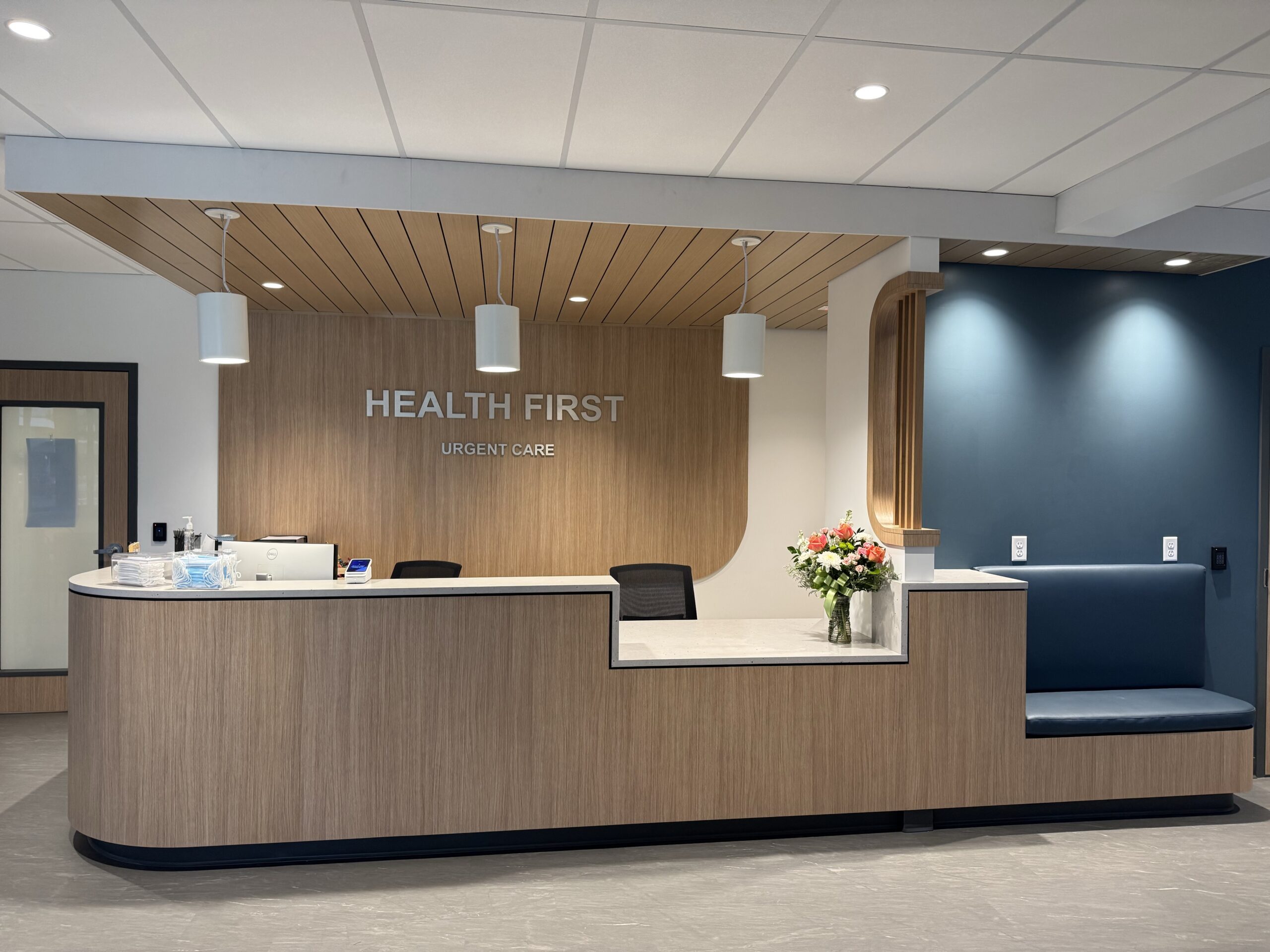
If your need is occupational, it also helps to use a clinic familiar with employer paperwork and return-to-work logistics. Health First Urgent Care serves both everyday medical needs and work-related exams. This can simplify things when time matters and the form has to be done right.
Is a walk in physical exam enough for your needs?
Often, yes. If you need a routine exam for school, sports, general wellness, or many employment requirements, walk-in care is a practical option. It works best when the goal is immediate evaluation and documentation rather than long-term medical planning.
But it depends on the form and on your health history. If the exam is highly regulated, tied to a federal standard, or connected to a chronic medical issue, you may need a specific service line or additional follow-up. That is not a drawback of urgent care. It is just the reality that not all physicals are interchangeable.
When the deadline is close, the smartest move is simple: verify the type of exam, bring complete paperwork, and come prepared with your medical history. A walk-in visit can take a lot of pressure off your day. This is especially true when life does not give you much notice.
Sometimes the biggest value of urgent care is not just treatment – it is keeping your plans on track when a form, deadline, or clearance could otherwise slow everything down.