
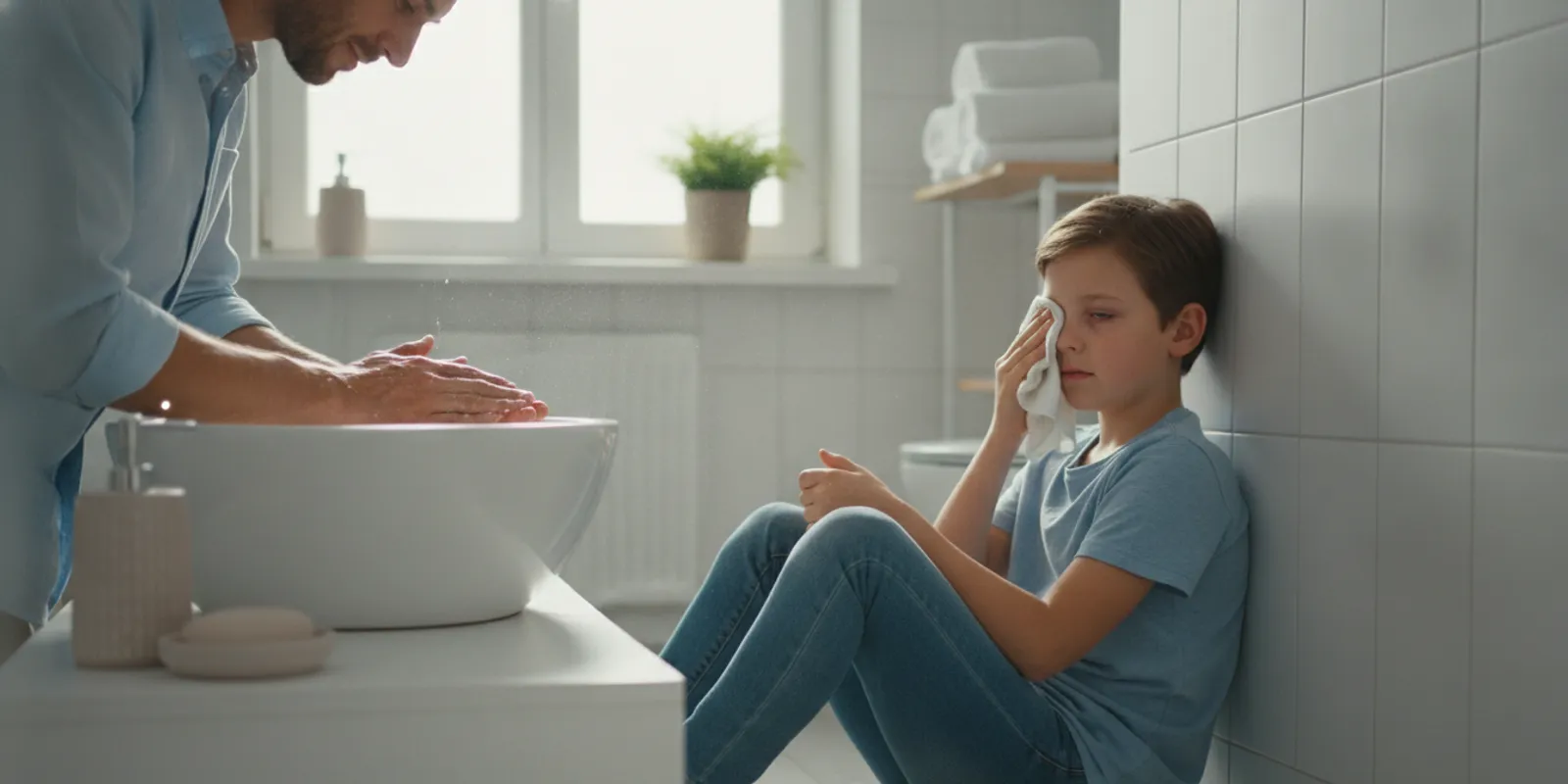
If you are wondering how do you get pink eye, the answer depends on what is causing the redness and irritation. Some forms of conjunctivitis spread when germs reach the eye; allergy-related and irritation-related cases do not spread from person to person. Because different causes can look alike, it is sensible to reduce possible exposure without assuming that appearance alone reveals the cause.
Learn about pink eye treatment
What does pink eye refer to?
Pink eye is the everyday name for conjunctivitis, inflammation of the thin tissue covering the white of the eye and lining the inside of the eyelid. It may make one or both eyes look pink or red. Other possible symptoms include tearing, itching, a gritty feeling, eyelid swelling, and discharge that can collect around the lashes.
Conjunctivitis describes inflammation; it does not by itself identify the cause. Viruses and bacteria can cause infectious conjunctivitis. Allergens can trigger an immune response in the eyes, and smoke, pool chemicals, cosmetics, or other irritants can bother the eye without causing a contagious infection. Other eye problems can also produce redness or discomfort, so a red eye is not automatically pink eye.
The distinction matters for households. When infection is possible, hygiene and avoiding shared personal items can reduce opportunities for germs to move between people. When allergies or irritation are responsible, there is no person-to-person transmission of that cause, although the symptoms may still need attention if they are uncomfortable or do not settle.
How can infectious pink eye spread?
Infectious conjunctivitis can develop when germs reach the eye. The Centers for Disease Control and Prevention describes spread through close personal contact, including touching or shaking hands, and contact with droplets in the air after an infected person coughs or sneezes. Germs can also move on contaminated hands or objects and then reach an eye when someone touches or rubs it. See the CDC overview of pink eye causes and spread for more information.
A simple example shows how indirect contact can happen: someone wipes a watery or discharging eye, touches a shared toy or door handle, and another person handles that object before rubbing their own eye. The first person does not have to touch the second person’s eye directly for an opportunity of exposure to occur. That does not mean every contact will cause illness, but interrupting the hand-to-object-to-eye route is a practical prevention step.
Close contact also happens in ordinary family life. Children share classroom materials, play together, and need help with face care. Adults may care for a child, share a bathroom, or handle the same household items. These contacts cannot always be avoided, and families should not blame themselves if another person develops symptoms. The useful response is to wash hands, limit sharing of items that touch the face, and clean items that may have been exposed to eye discharge.
Some viral causes of conjunctivitis can occur at the same time as a respiratory illness. In that setting, close contact may expose family members to respiratory germs as well as eye secretions. Coughing and sneezing hygiene, handwashing, and avoiding close face-to-face contact when someone is sick can support general infection control. The route in a particular household may not be clear, and symptoms alone cannot prove how a person became ill.
Can towels, makeup, or contact lenses play a role?
Objects that touch the eyes or collect discharge can become part of a possible transmission chain. While someone has eye symptoms, do not share towels, washcloths, pillowcases, eye makeup, or eye-care supplies. Use a clean cloth when wiping the face, and do not use the same cloth for both eyes. Place used items in the laundry rather than leaving them where another person might use them.
Eye makeup is personal, so do not lend it or use another person’s products. If a product was used on an eye while symptoms were present, ask a healthcare professional or eye-care professional whether it should be discarded rather than continuing to use it. Do not share contact lenses, lens cases, or lens-care supplies. Follow the manufacturer’s cleaning and replacement directions for reusable lenses and related equipment.
Contact lenses do not explain every case of redness, but a painful or red eye in someone who wears contacts deserves careful attention. Stop wearing the lenses while symptoms are present and get professional advice, particularly if there is pain, light sensitivity, or a change in vision. Do not put in someone else’s drops or use leftover prescription eye medicine. The right next step depends on what is causing the symptoms and on the person’s eye health.
It can help to make a short-term household plan instead of trying to sterilize every object. Give the person with symptoms a separate towel, keep face cloths apart, wash hands before and after helping with eye care, and clean frequently touched surfaces according to their usual instructions. Focus especially on items that were handled after wiping the eyes. These steps are reasonable precautions; they cannot guarantee that no one else will become sick.
Can allergies or irritation cause pink, watery eyes?
Yes. Pollen, dust, pet dander, and other allergens can trigger eye redness, itching, and watering. Allergy symptoms may affect both eyes and can appear with sneezing or a runny nose, but these patterns are clues rather than proof. A person can have more than one cause of irritation, and symptoms can overlap with infection or another eye condition.
Smoke, chlorine, dust, cosmetics, and some other substances may irritate the eye. The timing can be useful: symptoms that begin after exposure to a new product or after swimming may suggest an irritant, while recurring itchy eyes during a familiar allergy season may point toward an allergy. Neither observation is enough to diagnose the problem. If a chemical splashes into the eye, rinse with clean running water while arranging urgent medical guidance; do not wait to see whether severe irritation resolves on its own.
Allergic conjunctivitis itself is not contagious. The same is true of irritation that is not due to an infection. Still, handwashing remains sensible because hands can pick up germs for unrelated reasons, and rubbing can aggravate an already irritated eye. If someone has recurring symptoms, marked discomfort, or a problem that is not improving, professional advice can help determine whether another explanation needs consideration.
What clues can help you think about the likely source?
There is no single symptom that reliably identifies the cause at home. Instead, notice the sequence and context. Did the redness start after close contact with someone who had similar symptoms? Did it follow use of a new cosmetic, contact with smoke, or swimming? Are both eyes itchy at the same time, or is one eye painful and unusually sensitive to light? This information can help explain the concern during an evaluation, but it cannot replace one.
| Possible source | Context that may be relevant | What to keep in mind |
|---|---|---|
| Viral infection | Recent close contact or a concurrent respiratory illness | May spread through contact, droplets, or contaminated hands and objects; symptoms alone do not confirm it. |
| Bacterial infection | Contact with infectious secretions or contaminated hands or objects | Can be contagious; discharge or redness alone does not establish the cause. |
| Allergy | Exposure to a familiar allergen, sometimes with sneezing or nasal symptoms | Not person-to-person contagious; similar eye symptoms can have other causes. |
| Irritation | Symptoms after exposure to smoke, chlorine, dust, or a product | Not an infection merely because the eye is red; chemical exposure may need urgent attention. |
This comparison is a way to organize observations, not a home diagnostic test. For example, a child may have watery eyes and a runny nose during a respiratory illness, while another child in the same class may have itchy eyes during high-pollen days. Both can have redness, but the circumstances and appropriate next steps may differ. When symptoms are significant, unusual, persistent, or worsening, seek professional assessment rather than relying on a chart or a photograph.
How can families lower the chance of passing germs around?
If an infectious cause is possible, concentrate on simple routines that are easy for a household to repeat. These can help at home and can be adapted for school-age children who are learning to manage their own hygiene:
- Wash hands with soap and water before and after touching the face, cleaning discharge, or helping with eye care.
- Try not to rub or touch the eyes. If the eye needs to be cleaned, use a clean tissue or cloth and dispose of or launder it promptly.
- Use separate towels, washcloths, and pillowcases while symptoms are active. Do not pass them between family members before washing.
- Do not share eye makeup, contact lenses, lens cases, or products that touch the eyes.
- When helping a child, wash your hands before and after, and use a fresh clean cloth for each eye.
- Clean frequently touched surfaces and shared objects that may have been handled after touching the eyes.
- Cover coughs and sneezes, discard tissues, and wash hands afterward when respiratory symptoms are also present.
For a younger child, an adult may need to supervise handwashing and help keep a personal towel separate. For an older child, explain the reason in simple terms: germs can move from hands and shared items to eyes, so clean hands and personal towels lower some opportunities for spread. Avoid frightening or shaming a child. These are ordinary precautions, not a sign that the child did something wrong.
In a shared household, label or place towels separately if family members are likely to mix them up. Put used face cloths directly into the laundry, and avoid leaving tissues on a bedside table or shared counter. Clean hands before preparing food or helping another person after providing eye care. If multiple household members become symptomatic, continue separate personal items and ask a clinician for advice if you are uncertain about care or participation in school, daycare, or work.
Whether a person can return to school or work depends on the circumstances, the symptoms, and applicable school or workplace guidance. Do not assume every red eye requires the same time away or that someone is safe to return based only on how the eye looks. A healthcare professional can help with questions about a suspected infection and the appropriate next step for an individual situation.
How should you think through a possible exposure?
It is natural to search for one moment when someone “caught” pink eye, but the exact exposure is often hard to identify. A person may have several ordinary contacts over the course of a day: family members, classmates, coworkers, shared objects, and public surfaces. Someone may also touch their eyes without noticing. If symptoms appear later, there may be no clear way to connect them to a single handshake, toy, towel, or conversation.
A short, factual review is more useful than trying to assign blame. Write down when the first eye symptom appeared, who else has symptoms, whether there was close contact with an ill person, and whether a possible irritant or allergy trigger was involved. Note whether the person recently had cough or cold symptoms, used contact lenses, or experienced a splash or injury. Bring this timeline to a clinician if an evaluation is needed. It can inform the discussion without proving the cause.
Consider a household example. A school-age child wakes with a red, watery eye. A sibling is well, and a parent recalls that the child had a runny nose the previous evening. The family can wash hands, give the child a separate towel, avoid sharing face cloths, and watch for eye pain or vision changes. The parent does not need to decide at home whether the cause is a virus, an allergy, or irritation. If symptoms worsen or the family is unsure what to do, the observations can help a clinician advise on next steps.
Now consider a different example: an adult’s eyes become itchy and watery shortly after cleaning a dusty room, and the symptoms occur in both eyes. That timing may suggest exposure or allergy, but it does not confirm it. The person can leave the irritating environment, avoid rubbing the eyes, and seek advice if symptoms are persistent, marked, or accompanied by pain or changes in vision. It is still reasonable to wash hands and avoid sharing eye products.
These examples show why precautions and diagnosis are separate decisions. Hygiene steps are low-complexity ways to reduce possible spread when infection is uncertain. Deciding what is causing a particular person’s symptoms requires attention to the whole situation and, when appropriate, a professional assessment. Do not use a household pattern or a classmate’s diagnosis as a substitute for care when warning signs are present.
What is a practical routine for shared spaces?
In a home with shared bathrooms, focus on items that touch the face and on handwashing after eye care. Keep a personal towel where it will not be confused with others’ towels. Use a clean tissue or cloth when removing discharge, then throw it away or place it with laundry. Wash hands before touching commonly used items such as refrigerator handles, remotes, or toys after wiping an eye. Normal cleaning of high-touch items is a practical measure; there is no need to turn the whole home into a special cleaning project.
For children who share toys, help them practice handwashing at the usual moments: after wiping the face, before eating, and after using the bathroom. If a toy was visibly soiled with eye discharge, clean it according to its care instructions before another child uses it. Avoid passing around washcloths, costume makeup, or props that touch the eyes. A calm, repeatable routine is more realistic than asking children to remember a long list of unusual rules.
At work or school, follow the organization’s current illness and attendance guidance. Someone with symptoms should use their own tissues and personal items, clean hands after touching the face, and avoid close contact when feasible. If a school or employer requests a note or specific instructions, ask the healthcare professional who evaluates the person what can be provided. Guidance may depend on the suspected cause, symptoms, and the person’s setting.
Remember that hygiene practices lower opportunities for transmission; they do not make risk zero. A family can follow careful routines and still see another household member become ill after an exposure that happened earlier. The goal is not perfect control of every germ. It is to make practical choices, notice concerning symptoms, and get help when the situation warrants it.
What can you do at home while you arrange advice?
For mild discomfort without warning signs, a clean cool compress placed gently over closed eyelids may feel soothing. Use a separate clean cloth for each eye and do not share it. Wash your hands before and after applying the compress. Avoid rubbing the eyes, eye makeup, and contact lenses while symptoms are present unless a clinician or eye-care professional gives different guidance.
Do not use another person’s drops, old prescription medicine, or a product that was not intended for the eye. Eye symptoms can have different causes, and a product appropriate for one problem may not be suitable for another. If a nonprescription product is being considered, follow its label and check with a qualified professional when the person is a child, uses contact lenses, has other eye conditions, or has more than mild symptoms.
Keep track of whether symptoms are getting better, staying the same, or worsening. Note whether one or both eyes are affected and whether new symptoms appear. If the problem persists, returns, interferes with comfortable seeing, or is hard to assess, get professional guidance. Avoid repeatedly switching products or home remedies in an effort to guess the cause.
When should an eye concern be evaluated promptly?
Seek prompt medical evaluation for significant eye pain, sensitivity to light, blurred or reduced vision, severe redness, or symptoms that are getting worse. Get help promptly after an eye injury or chemical exposure. A contact lens wearer with a red or painful eye should also seek professional guidance, especially if vision changes or light sensitivity are present. Serious or rapidly worsening eye symptoms may require a setting beyond urgent care.
For a mild concern without emergency warning signs, an in-person urgent-care clinician may be able to assess whether the concern fits the available services. Health First Urgent Care provides in-person urgent care in the Tri-Cities, including Richland, Pasco, and Kennewick. Walk-in care is subject to availability, and the appropriate setting depends on the person’s symptoms, age, and clinical needs. See the clinic’s pink eye treatment information and review locations when planning a visit.
Urgent care is for nonemergency concerns and is not a substitute for emergency services. For severe symptoms or a life-threatening condition, call 911 or go to emergency care. A care team can advise whether a particular eye concern is appropriate for urgent care, but no online description can determine that for every person.
What information should you have ready for an evaluation?
A few clear details can make it easier to explain what is happening. Write down when symptoms began and whether they started suddenly or gradually. Note whether one or both eyes are affected, what the discharge looks like, and whether itching, pain, light sensitivity, or a vision change is present. Include any fever or respiratory symptoms if they are part of the same illness.
Think through exposures in the days before symptoms: close contact with someone who had red eyes, a recent respiratory illness in the household, allergy triggers, swimming, smoke, a new cosmetic, or an eye injury. Mention contact lens use and whether lenses were worn after discomfort began. If a chemical entered the eye, say what it was and when it happened, and describe what rinsing or other steps have already been taken.
For a child, share the child’s age, whether they can open the eye comfortably, and any trouble seeing or worsening discomfort. Bring relevant medication and allergy information. Avoid giving a child someone else’s medicine or trying to identify an infection from a school notice alone. A clinician can consider the full history and decide what evaluation is appropriate.
Families may also want to think ahead about practical needs: who can accompany the child, whether the child wears glasses or contacts, and whether school has requested guidance. Health First’s services information can help readers understand the broader care categories offered, while the clinic locations page helps with planning. Check current details on the clinic pages; availability can vary, and a particular service may not be suitable for every age or condition.
Frequently asked questions
Is pink eye always contagious?
No. Viral and bacterial conjunctivitis can spread, while allergic conjunctivitis and irritation from a noninfectious source do not spread from person to person. Since the causes may look alike, do not use redness alone to decide whether a person is contagious.
Can a person get pink eye from a cough or sneeze?
Droplets from an infected person may be one route, and the CDC also describes close personal contact such as touching or shaking hands. Contaminated hands and objects can provide another path to the eye. Handwashing, cough hygiene, and not sharing personal eye-care items can help reduce exposure opportunities.
Can pink eye spread through a pillowcase?
Shared fabric may be a concern if it has been contaminated with eye secretions and another person uses it. Use a separate pillowcase, towel, and washcloth while symptoms are active, then launder them before sharing. Avoid treating every household surface as a hazard; focus on hand hygiene and personal items that touch the face.
Does itchy, watery redness mean allergies?
Itching and watering in both eyes can occur with allergies, especially when there are familiar allergy triggers or nasal symptoms. Those signs do not confirm an allergy, because symptoms can overlap. If discomfort is substantial, persistent, worsening, or accompanied by pain or vision changes, seek professional advice.
Should a child with red eyes go to urgent care?
The right setting depends on the child’s age, symptoms, and clinical needs. Significant pain, light sensitivity, reduced vision, injury, or worsening symptoms calls for prompt assessment, and severe concerns may need emergency care. For other concerns, an in-person clinician can help determine an appropriate next step; walk-in availability and service suitability are not guaranteed for every child.
Choose a next step based on the symptoms
When someone in the family develops red or irritated eyes, avoid jumping to conclusions about the cause. Infectious conjunctivitis can spread through contact, droplets, hands, or contaminated items, while allergies and irritants can produce similar symptoms without person-to-person transmission. Clean hands, separate personal eye-care items, and attention to warning signs are useful whether or not the exact cause is yet known.
If you are considering in-person evaluation for a nonemergency concern, review the pink eye treatment page and the clinic’s location information. Health First Urgent Care serves the Tri-Cities through clinics in Richland, Pasco, and Kennewick; walk-in care is subject to availability, and a clinician can help determine an appropriate setting based on the symptoms.
Review pink eye treatment information
Seek emergency care for severe or life-threatening concerns, and use professional guidance when symptoms are persistent, worsening, or difficult to assess.