When a sore throat turns into a fever on Saturday morning or your child twists an ankle after school, you usually do not have time to research healthcare options from scratch. Therefore, knowing how to choose urgent care before you need it can save time and lower stress. It can also help you get the right level of treatment without an unnecessary trip to the ER.
The best urgent care for one person is not always the best fit for another. For example, a parent with a sick child may care most about weekend hours and short wait times. Someone dealing with a work-related requirement may need DOT physicals, pre-employment exams, or mask fit testing. The right choice comes down to what the clinic actually treats and how easy it is to use. Also, it depends on whether it helps you solve the problem in one visit.
Start with the kind of care you need
The first step in how to choose urgent care is knowing what urgent care is meant to handle. Urgent care is designed for medical issues that need prompt attention but are not life-threatening. That often includes minor injuries, cold and flu symptoms, ear infections, sore throats, rashes, sprains, mild burns, urinary symptoms, and similar same-day concerns.
If you are dealing with chest pain, severe trouble breathing, signs of stroke, major bleeding, a serious head injury, or anything that could be an emergency, urgent care is not the right setting. In those cases, the emergency room is the safer choice.
There is also a middle ground that matters. Some clinics focus mainly on common illnesses and minor injuries, while others offer a wider service range. If you know you may need on-site lab work, vaccines, physical exams, or occupational medicine services, look for a clinic that handles those under one roof. This can keep a simple visit from turning into multiple stops.
Check hours, walk-in access, and real convenience
Convenience is not a bonus with urgent care. It is part of the service.
A clinic may offer solid medical care, but if it is only open during limited weekday hours, it may not help much when you need care after work, over the weekend, or during school breaks. This is why one of the most practical ways to choose urgent care is to look at operating hours first. Open seven days a week is a meaningful difference for both families and working adults.
Walk-in availability matters too. Some clinics allow online check-in or appointment holds, which can be useful, but urgent care should still work for people who need same-day treatment without long scheduling delays. If access depends too heavily on advance booking, it may function more like a traditional office. In that case, it is not a true urgent care center.
Location also plays a role, but only up to a point. Most patients want a clinic that is easy to reach from home, work, or school. In the Tri-Cities, that often means choosing a site that makes sense for your normal routine. That can be more important than the one that looks closest on a map. A clinic that is easy to get to and easy to park at is often the one you will actually use when the need comes up.
Look at the services beyond basic sick visits
A lot of people choose urgent care based on a single immediate need, then realize later that not every clinic offers the same support services. That can be frustrating when you are already sick, injured, or trying to complete a work requirement quickly.
Before you settle on a clinic, check whether it offers more than illness treatment. Many patients benefit from services like physical exams, vaccinations, lab testing, screening tests, and follow-up visit support. If you are a parent, vaccine and school or sports physical availability may matter. If you are an employee or employer, occupational health services can be the deciding factor.
This is one of the biggest differences between urgent care centers. Some are set up primarily for coughs, fevers, and minor injuries. Others are built to handle consumer care and employer-focused services in the same setting. If you need a DOT physical, pre-employment physical, or mask fitting, it helps to choose a clinic that treats those services as a routine part of operations. This is much better than a limited add-on.
That kind of range also matters for efficiency. When a clinic can handle treatment, testing, paperwork, and compliance-related visits in one place, patients spend less time chasing answers.
Insurance, pricing, and paperwork should be easy to understand
Medical care feels a lot more manageable when the logistics are clear.
One practical sign of a strong urgent care clinic is whether it makes basic patient information easy to find. You should be able to learn what insurance is accepted, how self-pay pricing works, what forms are needed, and how billing is handled without a lot of confusion. If those answers are hard to get before a visit, the patient experience after the visit may not be much easier.
That does not mean every cost will be exact upfront. Healthcare billing often depends on the services provided, whether labs are ordered, and your insurance plan details. But a clinic should still offer enough clarity to help you plan. Patients should not feel like they are guessing about the process.
Paperwork matters more than most people expect. When a clinic offers patient forms, billing tools, and lab result access in a straightforward way, it reduces delays and repeat phone calls. For occupational health visits, that level of organization matters even more because documentation is often the point of the appointment.
Read for signs of operational reliability
When people search how to choose urgent care, they often focus on reviews alone. Reviews can help, but they only tell part of the story.
Instead of looking for perfection, look for consistency. Does the clinic appear organized? Are services clearly explained? Are hours stable? Does the location seem set up for real walk-in traffic? Does it communicate in a way that sounds practical and direct rather than vague?
Those signs point to something patients care about but do not always name directly: operational reliability. In urgent care, reliability means you can show up with a problem and expect the clinic to move you through the visit efficiently. That includes front desk flow, provider availability, testing access, and clear next steps.
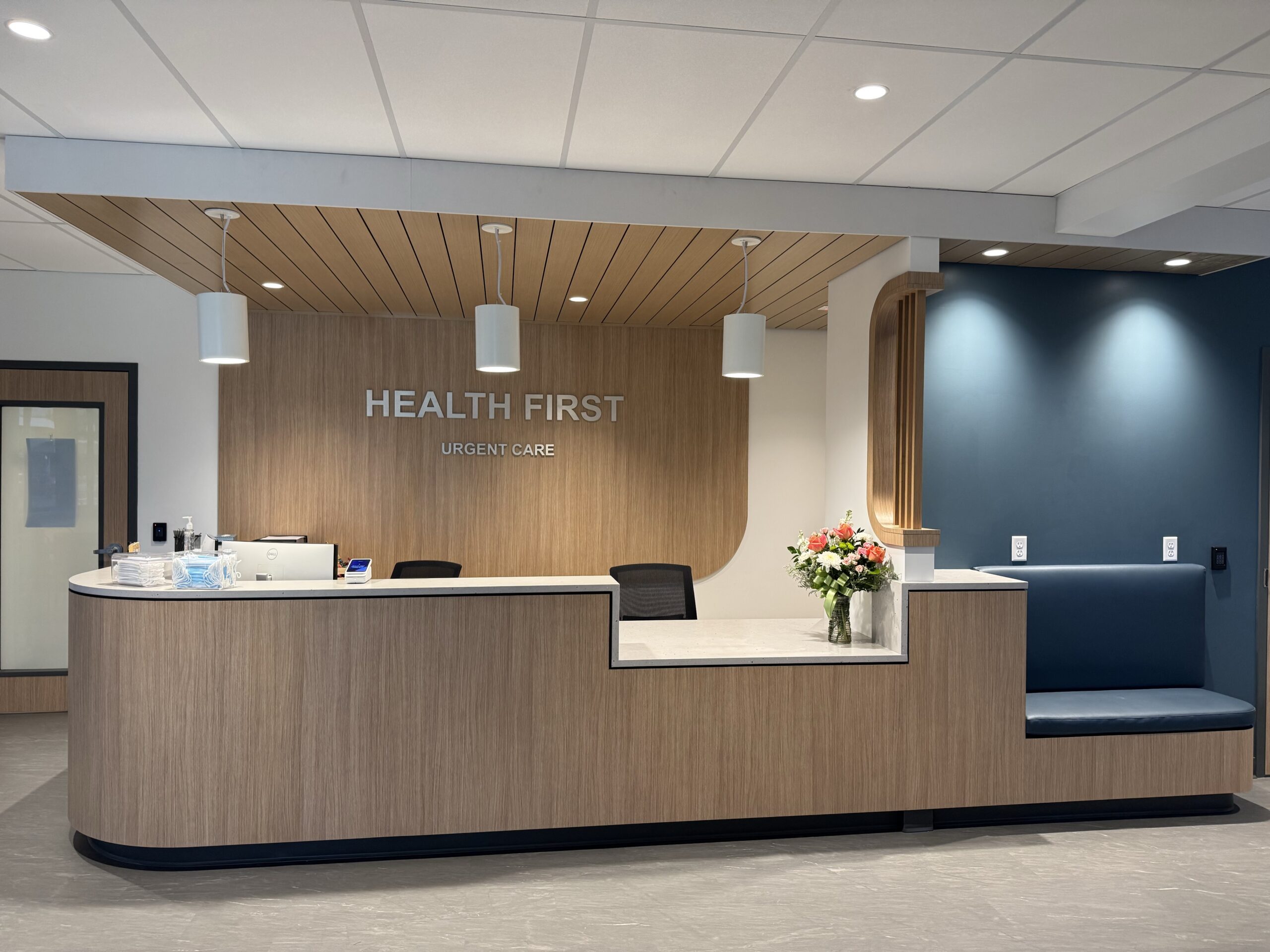
A well-run urgent care center usually makes that visible. You can see it in how the clinic presents services, what patient tools it offers, and whether it seems prepared for common same-day needs. Health First Urgent Care, for example, is built around that straightforward model of accessible care. It provides walk-in treatment and occupational health services designed for real local demand.
Know when urgent care is a better fit than primary care
Primary care and urgent care are not interchangeable, but they do overlap in useful ways.
If you have an ongoing chronic condition, medication management needs, or a complex long-term health issue, your primary care provider is still the best home base. But when your doctor cannot see you quickly, urgent care can be the better option for immediate non-emergency treatment. The same goes for weekends, evenings, or sudden issues that do not line up with office schedules.
This is especially true for common problems that need a timely decision rather than extended follow-up. A sinus infection, minor cut, fever, sore throat, sprain, or work clearance exam often fits well in urgent care. The trade-off is that urgent care is built for same-day resolution, not deep continuity over months or years.
That is not a weakness. It is the point. The key is choosing a clinic that is honest about what it handles well.
A good urgent care choice should feel straightforward
If you are still deciding how to choose urgent care, keep it simple. Choose a clinic that treats the kind of issue you have, offers hours that match real life, makes insurance and forms easy to navigate, and can handle added needs like labs, vaccines, or job-related physicals when necessary.
Most people are not looking for a complicated healthcare experience. They want a place that is open, prepared, and clear about what happens next. When you find that kind of urgent care, getting help feels less like a scramble and more like a practical next step.