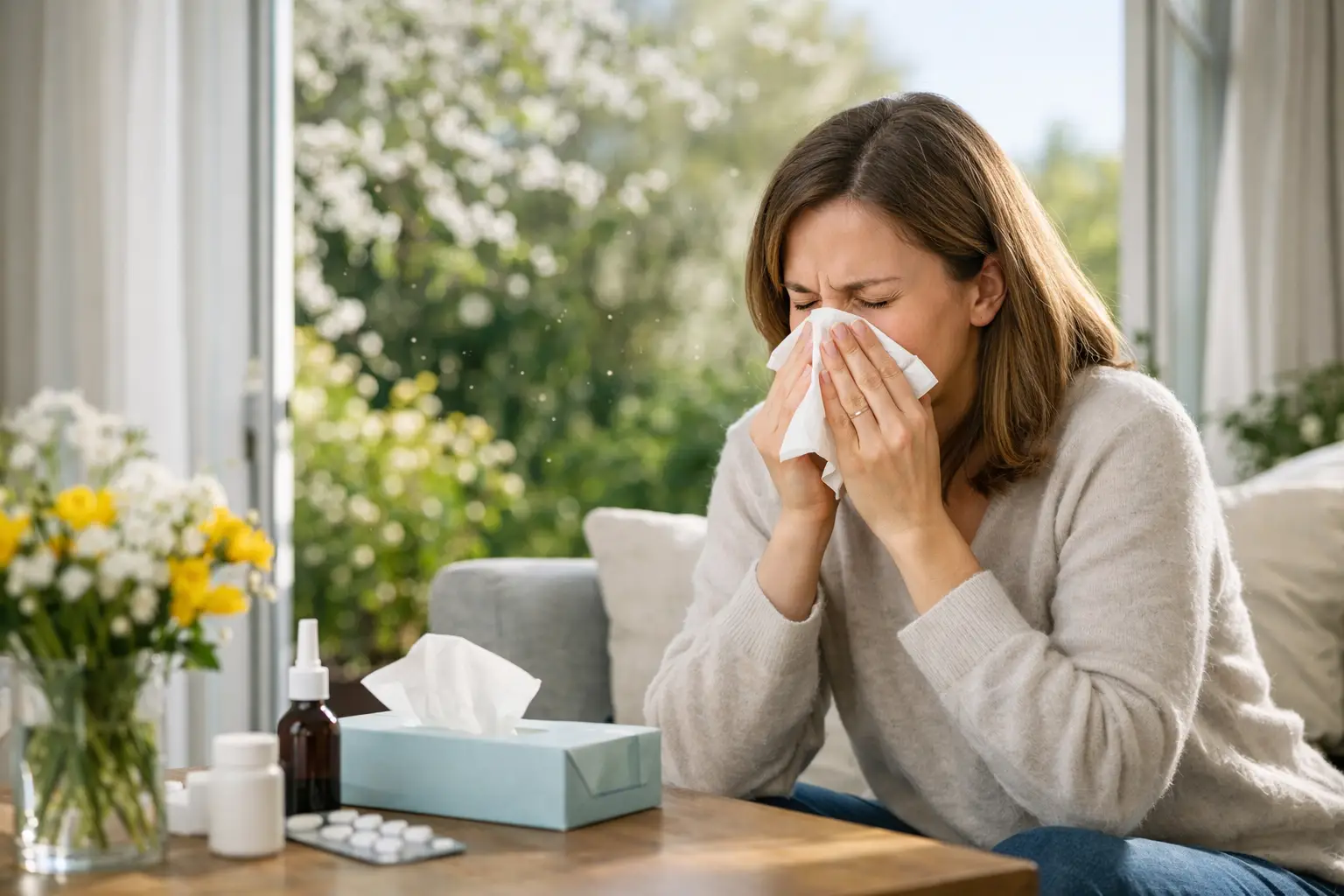
A sunny day in the Tri-Cities can also be a high-pollen day. If you wake up with sneezing, itchy eyes, a runny nose, or a scratchy throat that seems to return every spring or fall, knowing how to manage seasonal allergies can help you stay comfortable at work, school, and home. The goal is not to avoid the outdoors completely. It is to reduce your exposure, use the right treatment consistently, and know when symptoms may need medical attention.
Start by recognizing seasonal allergy symptoms
Seasonal allergies, also called allergic rhinitis or hay fever, happen when your immune system reacts to airborne allergens such as tree pollen, grass pollen, weed pollen, or mold spores. Symptoms can vary by person and by season, but they often include frequent sneezing, clear runny nasal drainage, nasal congestion, itchy nose or throat, watery or itchy eyes, and postnasal drip.
Allergy symptoms can feel a lot like a cold. The pattern usually provides clues. A cold commonly causes body aches, fever, and thicker mucus after a few days. Seasonal allergies are more likely to cause itching and tend to return when you spend time around the same trigger or during a particular season. Allergies may also linger for weeks rather than improving within several days.
Some people develop fatigue, trouble sleeping, headaches from sinus pressure, or a cough from postnasal drainage. Even though allergies are common, they can still affect concentration, driving, sleep, and productivity on the job.
How to manage seasonal allergies before symptoms build
The most effective allergy plan is often preventive. Once your nose and eyes are already irritated, it can take time for symptoms to settle down. If you know spring or fall is difficult for you, start paying attention to pollen conditions and your personal symptom pattern before the season peaks.
On days when pollen levels are high, keep windows and doors closed when possible. Use air conditioning in your home and vehicle instead of bringing outdoor air inside. If you need to be outside for yard work, exercise, or commuting, wearing sunglasses can help limit eye exposure. A well-fitting mask may also reduce the amount of pollen you breathe in during outdoor chores.
When you come home, wash your hands and face, change your clothes, and consider showering before bed. Pollen can collect in your hair, on skin, and on clothing, then transfer to your pillow or furniture. This small routine can make a noticeable difference for people who wake up congested or itchy after spending time outdoors.
Keep pets from bringing pollen into sleeping areas when possible. Wiping their paws and coat after outdoor time may help. Inside the home, vacuum regularly and use a damp cloth for dusting rather than stirring allergens into the air. If you use an air purifier, place it in the bedroom or another room where you spend the most time.
Plan outdoor time around your triggers
You do not have to cancel every outdoor plan. Instead, be strategic. Pollen can be especially troublesome on dry, windy days, while rain may temporarily clear pollen from the air. If mowing the lawn causes a flare-up, ask someone else to handle the task when possible or wear protective eyewear and a mask while doing it.
For workers who spend much of the day outdoors, complete avoidance may not be realistic. In that case, a combination of medication, clean clothing after work, and keeping the home environment low in allergens is usually more practical than relying on one step alone.
Choose allergy medications carefully
Over-the-counter allergy medications can be useful, but the best option depends on your symptoms, age, medical history, and other medicines. A pharmacist or medical provider can help if you are unsure what is safe for you.
Antihistamines can reduce sneezing, itching, and a runny nose. Some are less likely to cause drowsiness than older medications, but any antihistamine can affect people differently. Read the label before driving, operating equipment, or starting a work shift. This matters especially for people in safety-sensitive jobs.
Nasal steroid sprays are often helpful for persistent congestion, sneezing, and postnasal drip. They work best when used consistently and may take several days to reach their full effect. Aim the spray slightly outward toward the side of your nostril rather than directly at the nasal septum, which can reduce irritation and nosebleeds.
Saline nasal sprays or rinses can wash pollen and mucus from the nasal passages. Use only distilled, sterile, or properly boiled and cooled water for nasal rinsing. Decongestants may offer short-term congestion relief, but they are not appropriate for everyone. People with high blood pressure, heart conditions, glaucoma, prostate problems, thyroid disease, or certain medication interactions should ask a clinician before using them.
Be cautious with combination cold and allergy products. They may contain more than one active ingredient, increasing the chance of taking duplicate medications or experiencing side effects. Children, pregnant people, and adults with chronic medical conditions should get personalized advice before starting a new allergy medicine.
Do not overlook your eyes and sinuses
Itchy, watery eyes can be one of the most frustrating parts of allergy season. Avoid rubbing them, which can make irritation worse. A cool, clean washcloth over closed eyes may provide temporary relief, and allergy eye drops may help some people. If you wear contact lenses, ask an eye care professional whether your lenses or cleaning routine could be adding to the irritation.
Sinus pressure does not always mean a sinus infection. Allergies can swell nasal tissues and make the face feel full or achy. Drinking fluids, using saline spray, and controlling the underlying allergy symptoms may help. However, worsening facial pain, fever, thick discolored drainage, or symptoms that improve and then suddenly get worse can point to something other than routine allergies.
When seasonal allergies need same-day care
Most seasonal allergies can be managed at home, but it is reasonable to seek care when symptoms are disrupting daily life or you are not sure what is causing them. A medical provider can help distinguish allergies from a viral illness, sinus infection, asthma flare-up, or another condition that may need different treatment.
Consider a same-day visit if you have persistent symptoms despite properly using over-the-counter treatment, significant ear pain, sinus pain that is worsening, fever, wheezing, or a cough that will not settle. Children should be evaluated when symptoms interfere with sleep, school, eating, or normal activity.
Seek emergency care right away for trouble breathing, swelling of the lips, tongue, or throat, fainting, severe chest pain, or a rapidly spreading rash. Those symptoms may signal a serious allergic reaction or another emergency rather than seasonal allergies.
For non-emergency symptoms that need prompt evaluation, Health First Urgent Care can help patients determine whether allergies, infection, or airway irritation may be behind the problem. Walk-in access can be useful when a busy week, a child’s symptoms, or an upcoming work shift makes waiting for a routine appointment difficult.
Build a plan you can repeat each season
The best approach is usually a simple one you can maintain. Notice when symptoms start, which outdoor conditions make them worse, and which medications actually help. Keep a short note on your phone for a few weeks if needed. That information can make it easier to prepare for the next pollen season and have a more useful conversation with a medical provider.
Seasonal allergies may be predictable, but they do not have to set the schedule for your family. A few consistent habits, the right treatment, and timely care when symptoms change can help you get back outside with fewer interruptions.