August has a way of turning simple paperwork into a last-minute scramble. If you are searching for school physicals near me, you probably do not need a long lecture – you need to know where to go, what to bring, and how to get it done without disrupting your week.
A school physical is usually a straightforward visit, but it still helps to know what the clinic will check and what can slow the process down. For parents, the biggest challenge is often logistics. Sports practice starts soon, school forms are due, and primary care appointments may be booked out. That is where walk-in care can make the process easier.
When to look for school physicals near me
The best time to get a school physical is before forms become urgent. In real life, that often means families start looking a few weeks before school starts, right when everyone else is doing the same thing. If you wait until the deadline is close, you may still be able to get the exam done quickly at an urgent care clinic, but you will want to have your documents ready so the visit stays efficient.
Some schools require a physical for enrollment, while others mainly require them for sports, camps, or certain activities. Requirements vary by district, grade level, and program. That is why the first step is not just finding a clinic. It is checking the exact form your child needs completed.
A general back-to-school physical and a sports physical can overlap, but they are not always identical. Some athletic forms ask more detailed questions about past injuries, heart symptoms, breathing issues, or concussion history. If your child is playing sports, make sure you bring the specific athletic participation form rather than assuming any physical form will work.
What happens during a school physical
Most school physicals are routine. The provider reviews medical history, checks vital signs, measures height and weight, and performs a basic physical exam. That may include checking the heart, lungs, abdomen, ears, nose, throat, posture, joints, and general overall health.
The visit is also a chance to discuss issues that matter during the school year. If your child has asthma, allergies, diabetes, a history of fainting, or past sports injuries, bring that up during the exam. The form may need to reflect restrictions, medications, or follow-up recommendations.
For many families, the question is whether a school physical is the same as an annual wellness visit. The short answer is not always. A school physical is often more limited and focused on clearance for attendance or participation. If your child needs a full preventive care visit, vaccine review, or long-term management of an ongoing condition, that may still need to happen separately depending on the situation.
What to bring to the appointment
The fastest school physical visits usually happen when parents arrive prepared. Bring the school or sports form, your child’s identification if available, insurance information, and a list of medications.
If your child wears glasses or contact lenses, please bring them to the appointment. If your child has a history of surgeries, heart conditions, asthma, seizures, or orthopedic injuries, it is helpful to provide the dates of these events and any relevant specialist information.
For teenagers, especially athletes, it is helpful if a parent or guardian can answer questions about family history, such as early heart disease or unexplained sudden death in relatives. Those questions are common on sports clearance forms and matter more than many people realize.
If your child has already had part of the form completed elsewhere, check it before coming in. Missing signatures, dates, or parent sections are common reasons forms get delayed.
Why urgent care can be a practical option
Not every family can wait weeks for an appointment. School schedules, work schedules, and activity deadlines do not always line up with traditional office availability. A walk-in clinic can be a practical choice when you need same-day care for a routine exam.
That does not mean urgent care replaces every part of primary care. It means it can handle common, time-sensitive needs efficiently. For school physicals, that matters. The goal for most families is simple: get the exam done correctly, get the paperwork completed, and keep moving.
In the Tri-Cities, parents often need care that fits around work shifts, sports practices, and back-to-school errands. A clinic that is open seven days a week can help take some pressure off a packed schedule. If you are trying to coordinate care for multiple kids, convenience matters just as much as the exam itself.
When a school physical may not be enough
There are times when a provider may recommend follow-up instead of immediate full clearance. That does not automatically mean something is wrong. It may simply mean your child needs additional evaluation before a form can be signed without restrictions.
This can happen if there is chest pain with exercise, fainting, uncontrolled asthma, a recent concussion, or an unresolved injury. If a child is recovering from a fracture, knee problem, or repeated sprains, the provider may need more detail before clearing them for sports. In those cases, urgent care can still help with the exam and next steps, but the answer may depend on the medical issue.
That is one reason honest history matters. It can be tempting to minimize symptoms when a sports season is about to start, but a physical is meant to protect the student, not just satisfy a school requirement.
School physicals near me for sports, band, and activities
A lot of parents hear “school physical” and think only about team sports. In practice, physical forms also come up for cheer, dance, ROTC, camps, and other school-related programs. Some activities have the same requirements as sports, while others use simpler health forms.
If the activity involves intense physical exertion, expect the provider to ask more detailed questions about cardiac history, breathing, joint pain, heat illness, and previous concussions. If the activity is lower intensity, the form may be more basic. The only safe assumption is that the exact paperwork matters.
If your student plans to participate in more than one activity during the year, it is smart to ask whether one completed physical can be used across programs. Sometimes it can. Sometimes each organization wants its own version. Asking early can save you a second trip.
How to avoid delays on the day of the visit
The most common problems are not medical. They are administrative. Families often arrive without the right form, forget immunization records, or discover too late that a parent signature was required before the visit. If another guardian is bringing the child, make sure they have everything needed.
It also helps to arrive with realistic expectations. During back-to-school season, walk-in clinics can be busy. The benefit is flexibility, but timing may still vary depending on patient volume. If you can come earlier in the day or before the biggest rush, that can make the visit smoother.
For teens, privacy can also be part of the conversation. Providers may ask age-appropriate health questions directly to the student as well as the parent. That is normal and often useful, especially when discussing symptoms during exercise, prior injuries, or medication use.
Choosing where to go for school physicals near me
When families search for school physicals near me, they are usually comparing convenience first. That makes sense, but convenience should include more than driving distance. Look at whether the clinic handles walk-ins, whether it is open on weekends, and whether staff are used to school and sports paperwork.
A practical clinic experience is one where the process is clear from the start. You should know what to bring, whether insurance is accepted, and what happens if the provider identifies a concern that needs follow-up. Fast access is valuable, but so is getting the form completed accurately the first time.
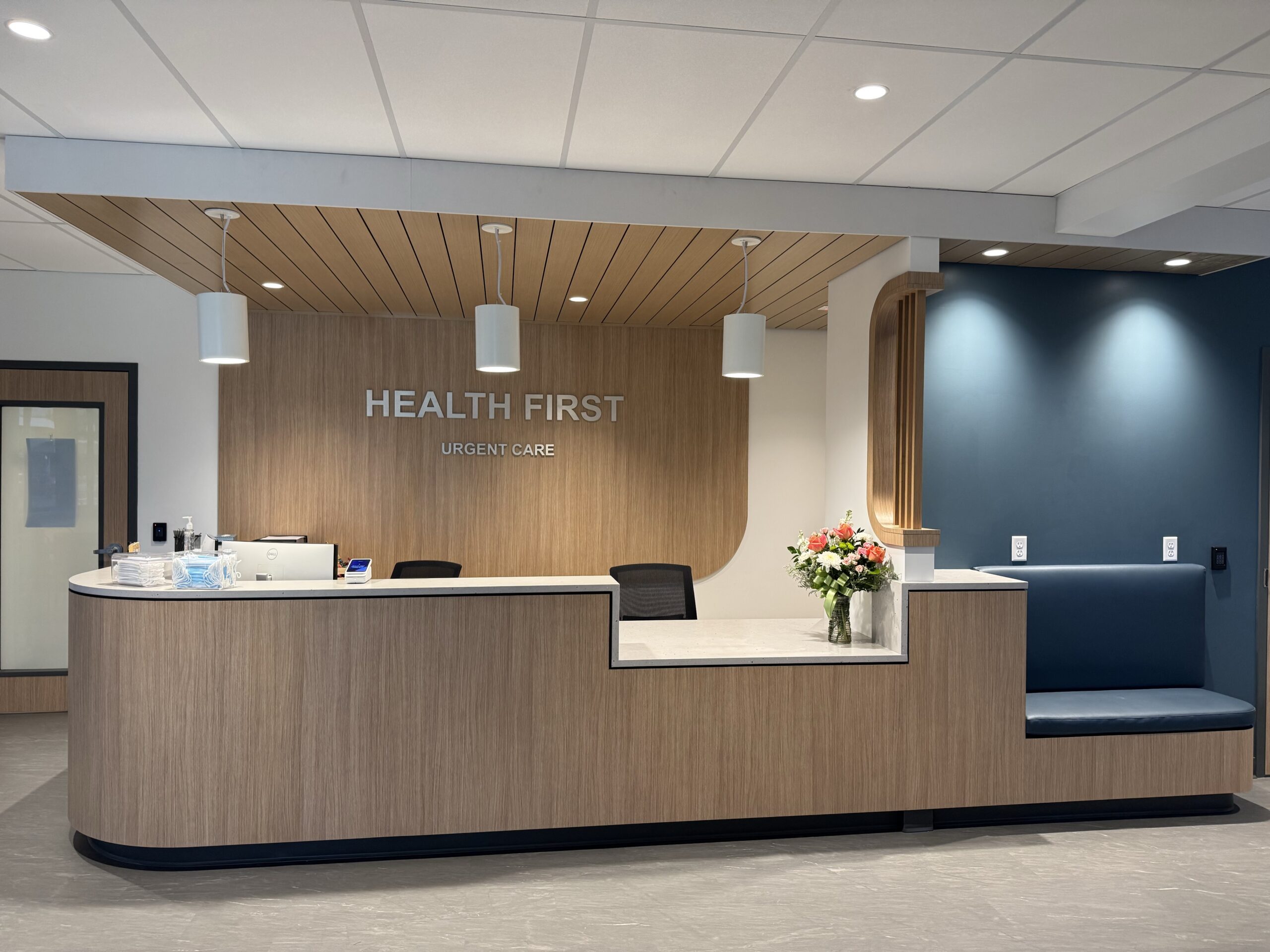
For local families who need a dependable same-day option, Health First Urgent Care serves that role well by keeping routine exam needs accessible without requiring a long wait for an appointment.
School physicals are one of those tasks that feel easy until they become urgent. If your child has a deadline coming up, the best move is simple: gather the form, bring the medical details that matter, and take care of it before school paperwork turns into a bigger problem than it needs to be.