column column_padding=”no-extra
-padding” column_padding_tablet=”inherit” column_padding_phone=”inherit” column_padding_position=”all” flex_gap_desktop=”10px” column_element_direction_desktop=”default” column_element_spacing=”default” desktop_text_alignment=”default” tablet_text_alignment=”default” phone_text_alignment=”default” background_color_opacity=”1″ background_hover_color_opacity=”1″ column_backdrop_filter=”none” column_shadow=”none” column_border_radius=”none” column_link_target=”_self” column_position=”default” gradient_direction=”left_to_right” overlay_strength=”0.3″ width=”1/1″ tablet_width_inherit=”default” animation_type=”default” bg_image_animation=”none” border_type=”simple” column_border_width=”none” column_border_style=”solid”]
A fever that starts after work, a child with an earache on Saturday, or a sore wrist after a weekend project rarely arrives when your regular provider has an opening. Therefore, a Tri Cities walk in clinic gives local families and workers a practical place to get timely care for non-emergency health needs. This happens without waiting days for an appointment.
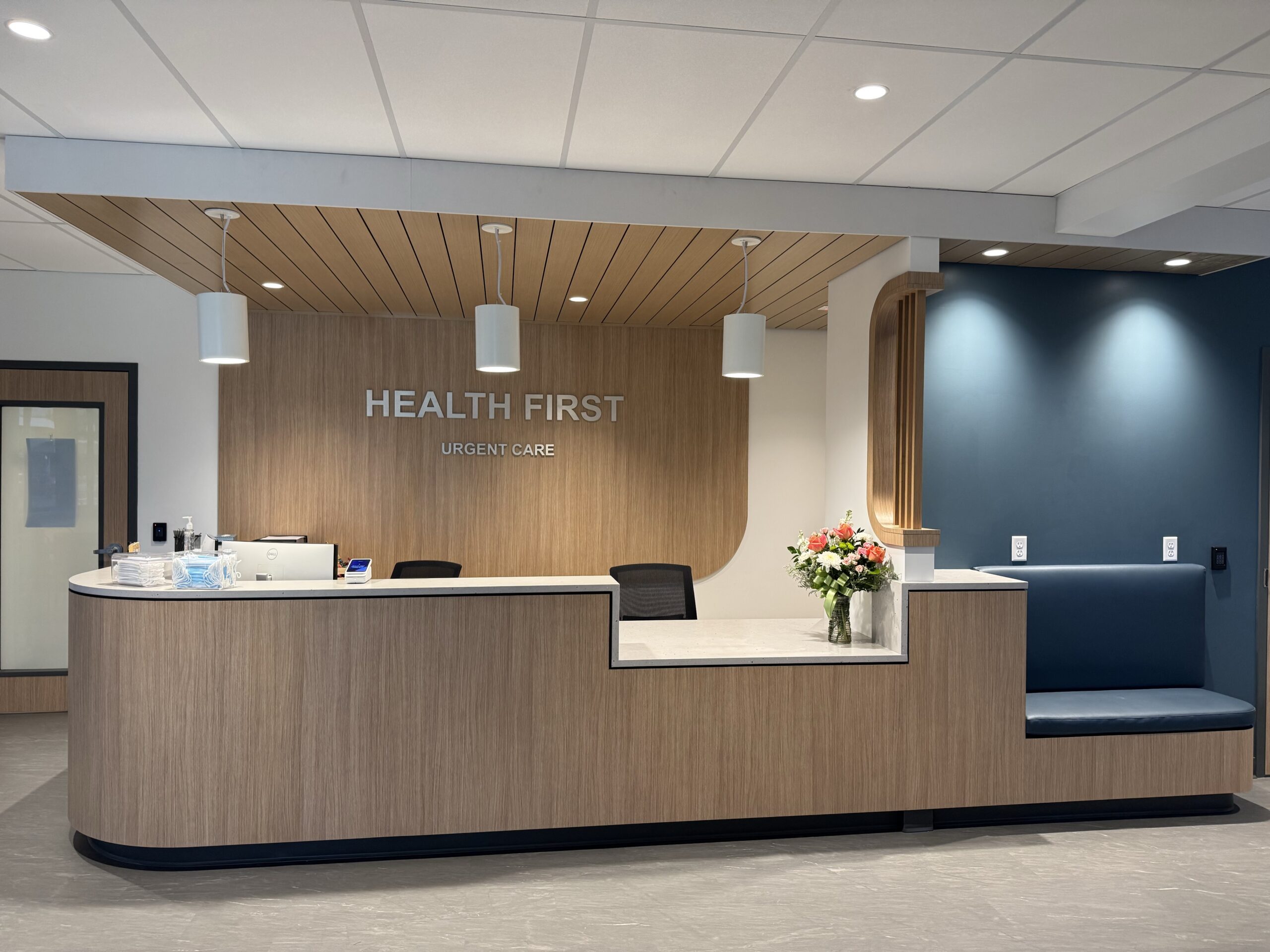
Urgent care is built for the middle ground: concerns that should be evaluated soon but do not require an emergency room. Health First Urgent Care provides walk-in access seven days a week for many common illnesses, injuries, screenings, physicals, and workplace medical needs.
When a Tri Cities Walk In Clinic Makes Sense
A walk-in clinic can be the right choice when symptoms are uncomfortable, persistent, or getting worse. However, you should not be facing a life-threatening emergency. Common reasons to come in include coughs, sore throats, sinus pressure, ear pain, urinary symptoms, nausea, rashes, pink eye, and seasonal allergy problems. It is also a convenient option for minor cuts, sprains, strains, bruises, minor burns, and uncomplicated fractures that need an evaluation.
For parents, the value is often simple: a child does not need to stay uncomfortable while the family waits for the next available primary care visit. For working adults, it may mean getting checked before a minor problem turns into several missed shifts. Walk-in care is not meant to replace an ongoing relationship with a primary care provider, especially for chronic conditions. Instead, it is a practical resource when the need is immediate and non-emergency.
The best choice depends on what is happening. A medication refill, long-term blood pressure management, or a routine follow-up for an established condition may be better handled by your regular provider. In contrast, a new sore throat, a twisted ankle, or a possible infection is often well suited for urgent care.
Know When to Choose Emergency Care Instead
Urgent care can handle a wide range of everyday medical issues. However, some symptoms require emergency services. Call 911 or go to an emergency room for signs of a possible heart attack or stroke, severe trouble breathing, uncontrolled bleeding, loss of consciousness, a major head injury, severe abdominal pain, or sudden weakness on one side of the body.
The same rule applies if someone has a serious allergic reaction with swelling of the face or throat, a seizure, severe burns, or an injury with obvious deformity and intense pain. If you are unsure whether symptoms are an emergency, it is safer to treat them seriously. Emergency departments have equipment and specialty support for conditions that cannot wait.
<p>For concerns that are urgent but stable, walk-in care can help you avoid using the emergency room for a problem that does not need hospital-level treatment. That can mean a more direct visit and a more appropriate setting for minor-to-moderate conditions.
What to Bring for a Faster Visit
A little preparation can make a same-day visit move more efficiently. Bring a photo ID, insurance card if you have one, and a current list of medications. If you are bringing a child, have the child’s insurance information and any relevant medical details available.
It also helps to know when symptoms started, what makes them better or worse, and whether you have tried any medication or home treatment. For an injury, be ready to explain how it happened. Clear details help the medical team decide whether you need an exam, lab test, imaging, treatment, or follow-up care.
If you are coming in for a physical, vaccination, screening, or work-related visit, bring any forms your employer, school, or licensing agency requires. Completing paperwork correctly at the visit can prevent an unnecessary return trip.
More Than Colds and Sprains
Many people think of urgent care only when they are sick, but walk-in clinics can also help with routine medical tasks that are difficult to fit into a busy schedule. Depending on your needs, services may include lab tests and screenings, vaccinations, sports or school physicals, and other basic exams.
This is especially useful during back-to-school season, before travel, or when a new job requires health documentation. A walk-in setting gives patients a straightforward place to complete these needs without building their week around a standard office appointment.
There are limits. Some specialized tests, extensive preventive care, and complex diagnostic work may require a referral or follow-up with another provider. A good urgent care visit still moves things forward by identifying the next appropriate step and documenting what was found.
Occupational Health Visits for Tri-Cities Workers
For employees and employers, a clinic visit is sometimes less about an illness and more about meeting a job requirement. For example, DOT physicals, pre-employment physicals, mask fittings, and similar compliance-driven services need accurate paperwork and a process that respects work schedules.
Workers should confirm their employer’s requirements before arriving, including whether there is a specific form, authorization, or testing standard. Meanwhile, employers can also benefit from having a dependable local option for required physicals and other occupational health visits. This is particularly important when a new hire needs to get cleared promptly.
Occupational medicine is different from treating a cold or an ankle sprain because the details matter. Missing documentation, an incomplete form, or arriving without the required identification can delay a hiring or certification process. Therefore, calling ahead for services with specific requirements is often the most efficient choice.
Insurance, Pricing, and Patient Information
Cost is a real part of choosing where to get care. Before a visit, review your insurance information when possible and bring your card with you. Coverage, copays, deductibles, and network rules vary by plan. Thus, there is no single answer for every patient.
Patients without insurance should ask about self-pay pricing and what may be included in the visit. Additional services, such as lab work, vaccinations, or certain procedures, can affect the total cost. Asking practical questions before care is provided helps avoid surprises later.
Keep your visit paperwork after you leave. It may include treatment instructions, medication information, work or school notes, and guidance about when to seek follow-up care. If lab results are ordered, use the clinic’s patient tools to check for instructions on how results will be shared or accessed.
Getting the Most From a Walk-In Visit
Walk-in care is designed for convenience, but the goal is not simply to get in and out quickly. The goal is to leave with a clear plan. Before you go, make sure you understand the diagnosis or working diagnosis, how to take any recommended medication, and what symptoms would mean you should return or seek a higher level of care.
Tell the clinician about allergies, current medications, pregnancy, recent travel, and relevant health conditions. Even details that seem minor can affect treatment choices. If you need a note for work, school, or an employer, ask before you leave rather than trying to track it down later.
For residents of Richland, Kennewick, and Pasco, same-day care can remove one common barrier to getting medical attention: waiting too long. When a health concern is not an emergency but should not be ignored, a walk-in clinic offers a clear next step. Come prepared, explain what has changed, and give yourself the chance to address the problem before it becomes harder to manage.