
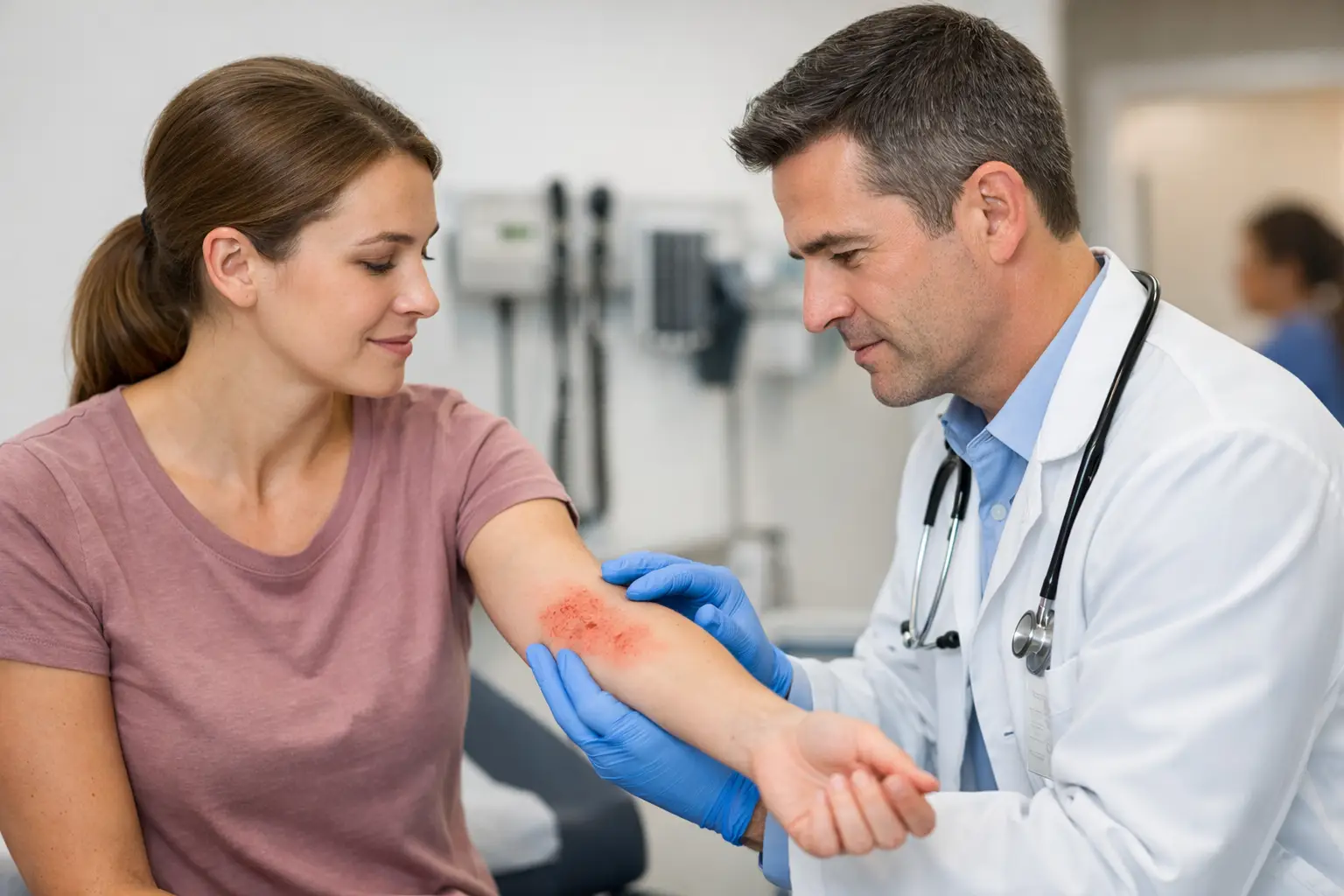
A new rash can be hard to read. One day it may be a few itchy patches after yard work; the next, it may be spreading across your child’s body or causing pain that makes it difficult to sleep. If you are asking, can urgent care treat rashes, the answer is often yes. Urgent care can evaluate many common rashes. It can rule out warning signs, and it can start treatment when the problem is not life-threatening.
The key is paying attention to how the rash looks, how quickly it is changing, and whether other symptoms are involved. A rash with mild itching is very different from a rash paired with trouble breathing, high fever, or painful blisters.
Can Urgent Care Treat Rashes? Common Reasons to Visit
Urgent care is a practical choice for a new, uncomfortable, or worsening rash that needs attention before you can see your primary care provider. A clinician can examine the skin and ask about recent exposures and medications. They can determine whether the rash may be caused by an allergy, infection, irritation, inflammation, or another condition.
Common rash concerns that can often be evaluated at urgent care include contact dermatitis from plants, soaps, cosmetics, detergents, or workplace products. Hives, eczema flare-ups, heat rash, insect bites, and mild allergic skin reactions are also frequent reasons for same-day care.
Urgent care can also assess rashes that may be linked to viral illnesses, fungal infections, or bacterial skin infections. Ringworm, athlete’s foot, yeast-related rashes, impetigo, and some cases of shingles may need prescription treatment or specific home-care instructions. Getting checked early can help prevent a localized skin issue from becoming more painful or widespread.
For parents, a rash can be especially concerning when it appears with cold symptoms, a sore throat, fever, or changes in a child’s behavior. Many childhood rashes are not dangerous. Still, an in-person evaluation can help clarify what is going on and whether the child can return to school, daycare, or regular activities.
What Happens During a Rash Visit
A rash visit usually begins with a review of your symptoms and recent history. Be ready to share when the rash started, where it first appeared, whether it has spread, and whether it itches, burns, hurts, or feels warm. Also, let the clinician know about new medications, foods, skincare products, detergents, pets, travel, outdoor activities, sick contacts, and possible exposure to poison ivy or other irritants.
The clinician will examine the rash’s location, shape, texture, color, and pattern. Some rashes have recognizable features, while others require a closer look at your symptoms and medical history. Depending on the concern, urgent care may perform a rapid test. They may collect a sample, or recommend follow-up testing.
Treatment depends on the likely cause. It may include an antihistamine for itching or hives, a topical cream for inflammation, antifungal medication, an antibiotic for certain bacterial infections, or a short course of another prescription medication. You may also receive instructions on protecting the skin barrier, avoiding triggers, and watching for signs that the condition is getting worse.
Not every rash needs medication. Sometimes the most useful treatment is stopping the irritant, using a fragrance-free moisturizer, keeping the area clean and dry, and giving the skin time to recover. The benefit of an urgent care evaluation is having a clinician help you make that call instead of guessing.
When a Rash Needs Emergency Care Instead
Urgent care is designed for non-life-threatening conditions. Call 911 or go to the emergency room if a rash occurs with signs of a severe allergic reaction or another serious illness. Do not wait for a walk-in visit if you have any of the following:
- Trouble breathing, wheezing, throat tightness, or difficulty swallowing
- Swelling of the lips, tongue, face, or throat
- Fainting, confusion, severe weakness, or a rapid change in alertness
- A rash with painful blisters or peeling skin, especially if it affects the eyes, mouth, or genitals
- Purple or red spots that do not fade when pressed, particularly with fever, severe headache, neck stiffness, or a very ill appearance
A rash that develops soon after starting a new medication also deserves prompt attention. Mild reactions can sometimes be evaluated at urgent care, but a widespread rash, facial swelling, blistering, fever, or sores in the mouth may signal a more serious medication reaction. In such cases, seek emergency care when severe symptoms are present.
When to Come in the Same Day
Even when emergency care is not necessary, some rash symptoms should not wait several days. Same-day evaluation is a good idea when the rash is spreading quickly, becoming increasingly painful, producing pus or drainage, or accompanied by fever. Moreover, skin that is hot, swollen, tender, or streaked with red may point to an infection that needs treatment.
You should also consider urgent care if a rash is near the eye, covers a large area of the body, interferes with work or sleep, or does not improve with reasonable home care. For people with diabetes, immune system conditions, or a history of severe allergic reactions, it is especially wise to seek care sooner rather than later.
Shingles is another situation where timing matters. Shingles often causes burning, tingling, or pain followed by a blistering rash on one side of the body. Prescription antiviral medication may work best when started early. Therefore, a new suspected shingles rash is worth a same-day visit.
What You Can Do Before Your Visit
Try not to scratch the rash, even when it is intensely itchy. Scratching can break the skin and increase the risk of infection. Use a cool, clean compress for short periods and wear loose clothing if fabric is irritating the affected area.
Avoid trying several new creams or home remedies at once. A product that seems harmless can worsen contact dermatitis or make it harder to identify the cause. Unless you have been told otherwise by a medical professional, stick with gentle, fragrance-free skin care and avoid potential triggers.
Take clear photos when the rash first appears and as it changes. Skin conditions can look different from one hour to the next, and photos may help show the clinician how quickly it has progressed. Bring a list of medications and note any new products, foods, or exposures from the past week or two.
If you think the rash may be contagious, such as a possible fungal or bacterial skin infection, cover it loosely if practical, avoid sharing towels or clothing, and wash your hands regularly. Keep children home from close-contact activities until a clinician can advise you on treatment and return precautions.
Fast Answers for Uncertain Skin Symptoms
Rashes are not always easy to diagnose from a description or a photo alone. The same red, itchy area can come from a simple irritant, an allergic response, eczema, infection, or another cause that requires different treatment. That is why an exam matters when symptoms are new, worsening, or unclear.
For Tri-Cities families and working adults, Health First Urgent Care provides a walk-in option for many non-emergency rash concerns. This includes visits that cannot wait for a routine appointment. Bring your questions, your symptom timeline, and any details about recent exposures. The right next step is usually clearer once a clinician has seen the skin and checked for the warning signs that matter most.