A school form on the kitchen counter, a new-job start date, or a sports deadline can turn a routine exam into something that needs to happen fast. Meanwhile, a walk in physical exam Pasco patients can access through urgent care may be a practical answer when your primary care office cannot see you soon enough. The key is knowing which type of exam you need. In addition, check what paperwork is required. Also, find out whether the clinic can complete every part of it that day.
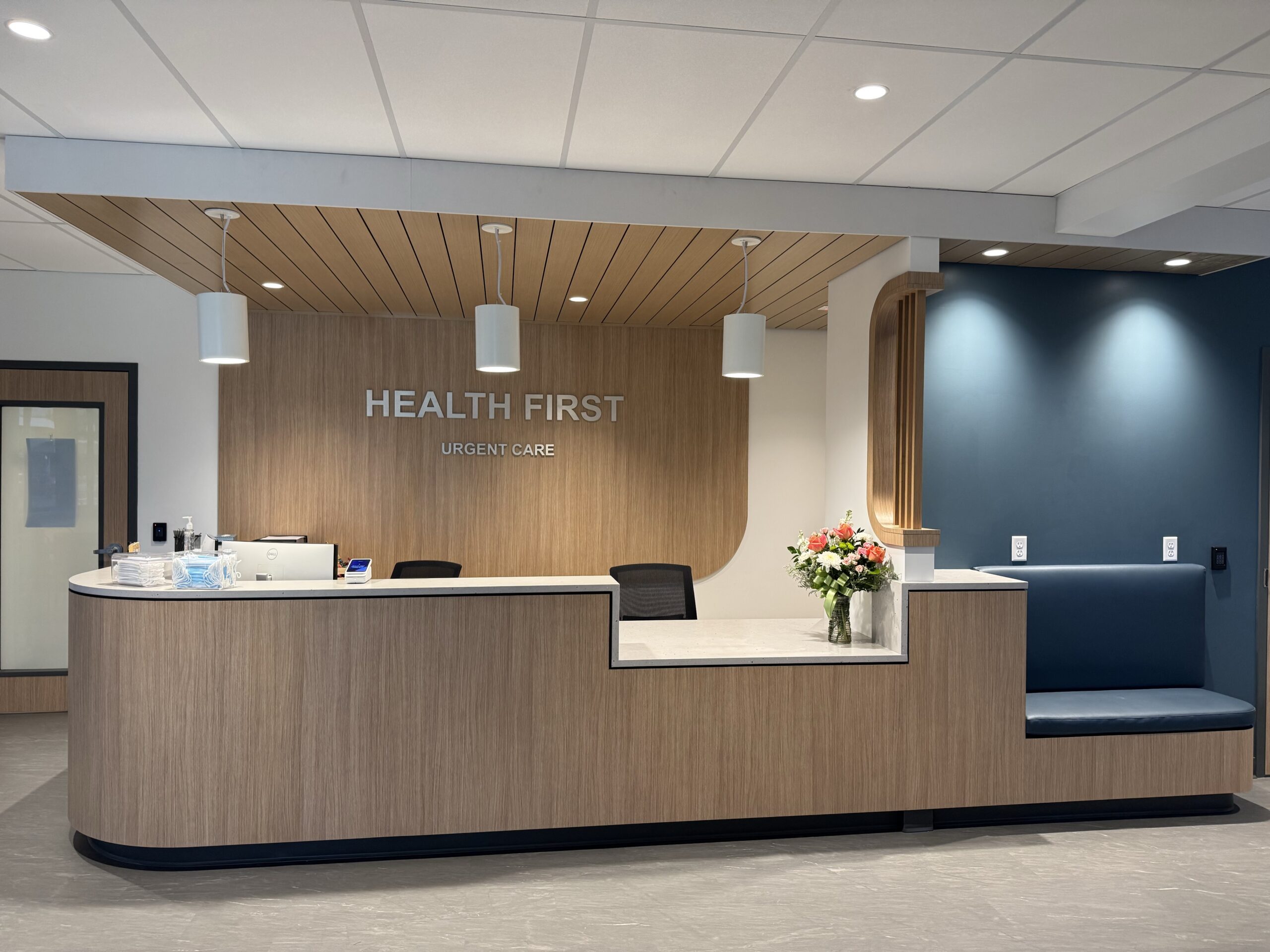
At Health First Urgent Care, walk-ins are welcome for many routine physical exam needs. A little preparation helps your visit move faster and reduces the chance of leaving with an incomplete form.
When a Walk In Physical Exam Pasco Visit Makes Sense
A physical exam is not always the same thing. The form, purpose, and testing requirements depend on who is requesting it. For instance, urgent care is often a good fit for routine exams that need to be completed promptly. This is especially true for school, sports, camp, employment, or general health clearance.
For parents, the need may come up when a child cannot participate in practice until a sports form is signed. For working adults, it may be a pre-employment requirement before orientation or a basic exam requested by an employer. Moreover, a same-day visit can also help when you are new to the area, between primary care providers, or simply unable to wait weeks for a routine appointment.
That said, urgent care is not a replacement for ongoing preventive care. If you have a complicated medical history, need a detailed specialist evaluation, or require long-term management of a chronic condition, your primary care provider may be the better setting. For a straightforward form and exam, however, walk-in care can save time.
Know Which Physical You Need Before You Arrive
The fastest way to avoid delays is to read the form before heading to the clinic. Bring every page, even if only one page appears to need a signature. Some organizations have specific vision, hearing, urine testing, immunization, or lab requirements that must be addressed during the visit.
School, Sports, and Camp Physicals
These exams generally review a child’s health history, medications, allergies, past injuries, and ability to safely participate in activities. The provider typically checks height, weight, blood pressure, vision, heart and lung function, posture, joints, and range of motion. Additionally, be ready to discuss asthma, concussions, heart symptoms during exercise, or prior surgeries.
A sports physical can identify issues that need follow-up, but it is not the same as a complete annual wellness visit. If your child needs immunizations, ongoing care, or a broader preventive discussion, plan for that separately with their regular provider.
Pre-Employment Physicals
Employers may request a general physical, a job-specific exam, a drug screen, a respirator or mask fitting, or documentation of ability to perform particular job tasks. Requirements vary widely. Therefore, bring the employer’s paperwork and any instructions you received about fasting, identification, appointment timing, or testing.
If a job requires lifting, repetitive movement, or work around certain exposures, the provider may ask focused questions about previous injuries and current limitations. Honest answers are essential. The goal is to document fitness for the role safely and accurately. Thus, do not rush through a form without reviewing your health history.
DOT and Other Regulated Exams
Commercial drivers and workers in regulated positions often need a specific examination performed under defined standards. A DOT physical, for example, must be completed by a certified medical examiner and may involve particular documentation, medication information, vision standards, hearing standards, and urine testing.
Do not assume every physical is available on a walk-in basis or that it can be completed without advance planning. Instead, call the clinic before you come in for DOT exams, occupational health requirements, or mask fittings. Confirm the service, the paperwork needed, and whether a scheduled time is recommended.
What to Bring to Your Physical Exam
Most physicals go more smoothly when you arrive with your information organized. Bring a government-issued photo ID. Also, bring your insurance card if you plan to use insurance, and the complete physical form from the school, team, employer, or program.
You should also bring a list of medications, including dose and how often you take them. Include over-the-counter products when relevant. If you use glasses, contacts, hearing aids, an inhaler, CPAP equipment, or other medical devices, bring them or have the details available. This matters for vision screening, medication review, and forms that ask about ongoing care.
Parents should be prepared to provide a child’s medical history, including allergies, surgeries, hospitalizations, past injuries, and vaccine information if the form requests it. A legal parent or guardian may need to be present to give consent and answer health-history questions.
For employment visits, bring all employer instructions. If your company gave you a testing authorization, chain-of-custody form, job description, or voucher, do not leave it in the car. After all, missing paperwork can mean a second visit.
What Happens During the Visit
Your visit usually starts with check-in, identification, paperwork, and a review of the reason for the exam. Clinic staff may record your temperature, pulse, blood pressure, height, weight, and vision. Depending on the exam, they may also collect a urine sample or perform other requested screening.
The provider will review your health history and ask questions related to the form. A basic physical exam may include listening to your heart and lungs, checking your abdomen, examining your ears and throat, evaluating reflexes or movement, and looking at your skin, spine, and joints when appropriate.
The visit is also a chance to raise practical concerns. Tell the provider if you have chest pain with exercise, shortness of breath, fainting, persistent joint pain, a recent injury, or side effects from medication. For children and teens, mention concussions, bone injuries, asthma symptoms, or a family history of early heart problems.
Sometimes an exam cannot be signed off immediately. The provider may recommend additional testing, a specialist evaluation, updated immunization records, or follow-up with your primary care provider. That can be frustrating when a deadline is near. However, it protects your health and ensures the form is completed correctly.
How to Keep the Visit Moving
Walk-in clinics are designed for same-day needs, but arrival times and patient volume can vary. If you have a deadline, do not wait until the final afternoon. Arriving earlier in the day gives you more time if a form needs clarification or the provider identifies a follow-up need.
Complete the patient portions of your form before arriving, but do not sign sections intended for the provider. Review the form for special instructions, such as a required vision result, tuberculosis screening, or immunization record. If you are unsure whether your exam is covered by insurance, ask about expected costs and payment options before services are provided.
Wear comfortable clothing, particularly for sports, employment, or movement-based exams. Clothing that allows the provider to evaluate your shoulders, knees, back, and general mobility can make the process easier.
When Urgent Care Is Not the Right Choice
A physical exam is not for emergency symptoms. Seek emergency care for severe chest pain, serious trouble breathing, signs of stroke, loss of consciousness, uncontrolled bleeding, or a major injury. These symptoms need a higher level of evaluation than a routine walk-in visit can provide.
You may also need another setting if your form requires a specialist, a full mental health evaluation, a complex disability assessment, or extensive records review. Calling ahead is the simplest way to confirm whether the clinic can meet a specific requirement.
When the form matters to your child’s season, your new job, or your next step at work, bring the details with you and give yourself a little lead time. A prepared walk-in visit can turn one more deadline into a completed task.