Your child’s school form is due tomorrow. Your employer needs proof of an updated vaccine. Or you finally have an open afternoon and want to take care of a preventive health need before it falls off the list again. A same day vaccination clinic gives Tri-Cities families and workers a practical option. This is especially true when waiting weeks for a routine appointment does not make sense.
Vaccinations are a straightforward part of preventive care, but getting them is not always straightforward. Appointment-only schedules, limited primary care availability, work shifts, and family responsibilities can all create delays. Therefore, a walk-in urgent care clinic may help you address eligible vaccination needs on the day you have time. Often, you can do this without the long planning process of a traditional office visit.
When a Same Day Vaccination Clinic Makes Sense
Same-day care is useful when the need is timely but not an emergency. That may include a parent who needs a required vaccine or documentation before school starts. Also, it could include a college student preparing for campus requirements. Or it could be an adult catching up on recommended immunizations before travel, seasonal illness, or a new job.
It can also be a good choice for workers. Some employers require particular vaccinations or medical documentation as part of hiring, workplace safety policies, or job-specific compliance. If you are already scheduling a pre-employment physical, DOT physical, or another occupational health visit, ask whether your vaccination need can be addressed during the same visit. Combining services may save an extra trip. However, it depends on the vaccine, your health history, and clinic availability.
Same-day vaccination visits are not just for people who are behind. They also help people stay current when schedules change. A missed annual appointment, a move to a new community, or a primary care provider with limited openings should not automatically mean postponing preventive care.
What to Bring to Your Visit
A little preparation helps the visit move faster and gives the clinical team the information needed to make a safe recommendation. Bring a photo ID, your insurance card if you plan to use insurance, and any available immunization record. For example, a paper record, a record from a school or employer, or information from a prior medical office can all be helpful.
If you do not have a complete vaccine record, do not assume you cannot be seen. Let the clinic know what you remember and where you may have received prior vaccinations. After that, the clinician can discuss what documentation is needed and whether a vaccine is appropriate based on your age, medical history, and the reason for your visit.
For children and teens, a parent or legal guardian may need to be present to provide consent. School forms should come with you, too, especially if a completed form is part of the reason for the visit. Check the form carefully before arriving so you know whether it requires a provider signature, a vaccine date, a TB screening result, or another item beyond immunization documentation.
What Happens During the Appointment
A vaccination visit starts with questions, not a shot. The clinical team will review the vaccine you are requesting, your general health history, prior reactions to vaccines, allergies, current medications, and any symptoms you may have. Therefore, be direct about feeling ill, being pregnant, having a weakened immune system, or taking medications that affect immunity. Those details can change the timing or type of vaccination recommended.
The clinician may also confirm whether the vaccine is appropriate for your age and whether you need a single dose, a series of doses, or a booster. Some vaccines have specific spacing requirements. If you are beginning a multi-dose series, ask before you leave when to return. Also, ask what happens if your schedule makes the next dose difficult.
After the vaccination, you may be asked to remain at the clinic briefly for observation. Mild soreness at the injection site, fatigue, a low fever, or body aches can occur with many vaccines. The team can explain what is expected and what you can do at home for comfort. They will also explain which symptoms warrant medical attention.
Availability Matters: Call Before You Go
Walk-in access does not mean every vaccine is available every day. Vaccine supply can vary by season, demand, patient age group, and storage requirements. For example, some vaccines are commonly requested during specific times of year, while others may need to be ordered or scheduled.
Before heading in, call the clinic to confirm that the vaccine you need is available, that the location serves your age group, and that walk-in vaccination visits are being accepted that day. This is especially helpful if you need a less common vaccine, need a specific brand for documentation purposes, or have a deadline for school, travel, or employment.
You should also ask about insurance coverage and expected out-of-pocket costs. Coverage varies by plan and by vaccine. A clinic can help explain its payment process, but your insurance carrier is the final source for benefit details. If cost is a concern, ask what information the clinic needs to provide the clearest estimate possible before your visit.
Urgent Care or the Emergency Room?
Vaccination needs are generally appropriate for urgent care or a primary care setting, not an emergency room. An emergency room is designed for serious, potentially life-threatening conditions such as trouble breathing, chest pain, severe injuries, stroke symptoms, or major allergic reactions.
There is one important exception after a vaccination: seek emergency help right away for symptoms of a severe allergic reaction, such as difficulty breathing, swelling of the face or throat, widespread hives, fainting, or severe dizziness. These reactions are uncommon, but they need immediate attention.
For common post-vaccine soreness or a mild fever, follow the instructions provided during your visit. If symptoms are concerning, worsening, or do not match the guidance you received, contact a medical professional for advice.
Questions Worth Asking Before You Leave
A same-day visit is convenient, but it should still leave you with a clear plan. Confirm the name of the vaccine you received, the date it was given, and whether another dose or booster is needed. Also, if the vaccine was required for work or school, make sure your paperwork is complete before leaving.
It is also reasonable to ask when you can return to normal activities. Most people can continue their day after a routine vaccination, though some prefer to schedule their visit when they can take it easy afterward. However, if you operate equipment, work outdoors in extreme heat, or have a physically demanding shift, ask what to expect based on the vaccine and your personal health history.
Keep your updated record in a safe place. Take a photo of any paper documentation and store it where you can find it when a school, employer, camp, or medical office asks for proof later. That small step can prevent another last-minute search.
Fast Access Does Not Mean Rushed Care
The value of a same day vaccination clinic is not simply speed. It is the ability to get timely, informed care when life does not leave room for a weeks-away appointment. A proper visit still includes screening, consent, documentation, and an opportunity to ask questions.
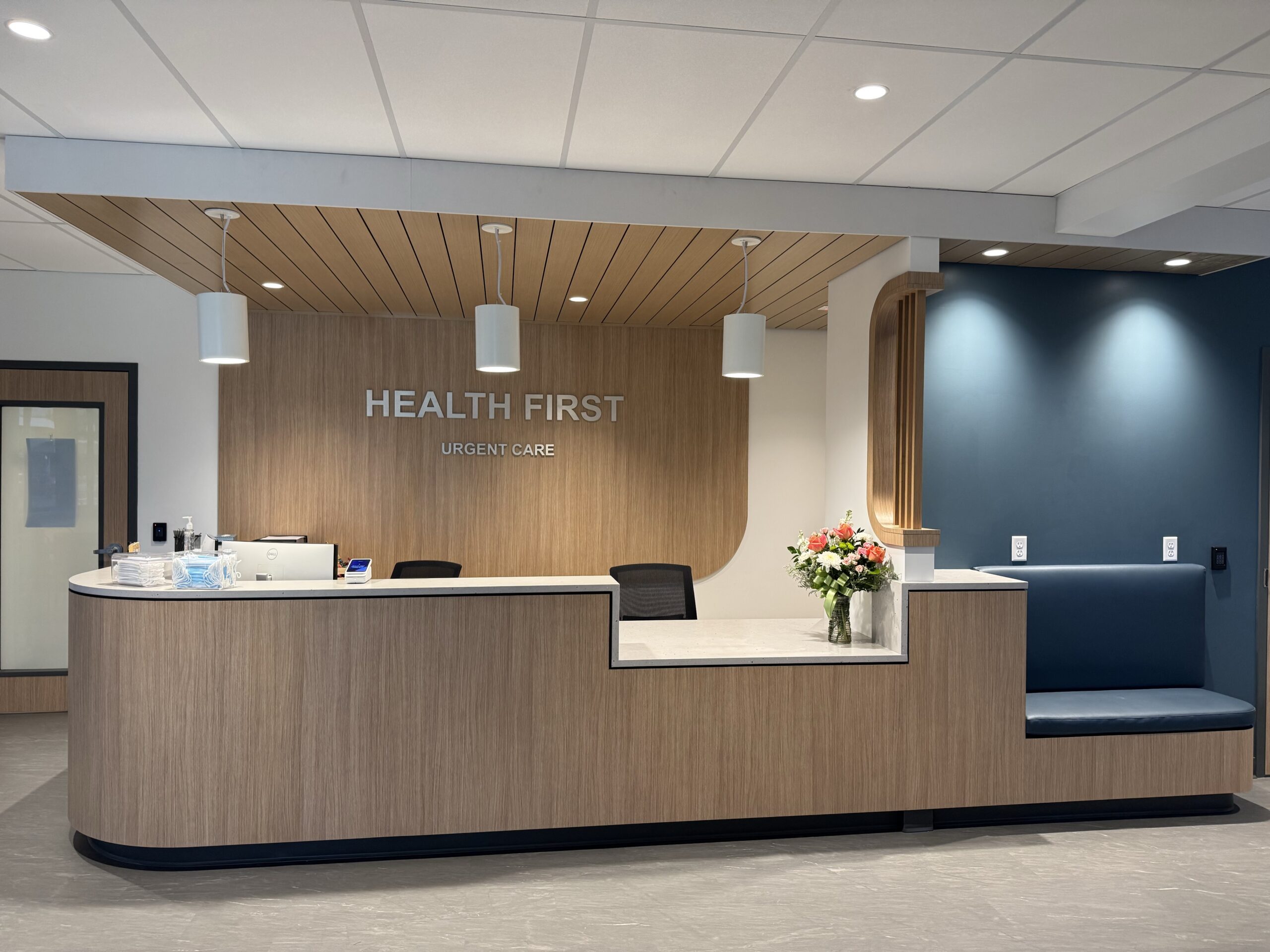
For patients in Richland, Kennewick, and Pasco, Health First Urgent Care offers a local option for everyday, non-emergency medical needs. When you need a vaccination, call ahead with the vaccine name and your deadline, bring your records if you have them, and let the clinic help you take the next practical step toward staying protected.