A physical exam can be quick and straightforward, but arriving unprepared can slow down your visit or leave important questions unanswered. Knowing how to prepare for a physical helps you bring the right information, complete required forms, and get more value from the time you spend with your medical provider.
The details depend on the reason for your exam. A yearly wellness physical, school or sports physical, pre-employment exam, and DOT physical each have different requirements. Start by confirming what type of physical you need and whether the organization requesting it has provided a form, deadline, or specific instructions.
Confirm the Type of Physical You Need
Before you head to the clinic, check the paperwork or ask the requesting organization what the exam must include. This matters because a general physical may focus on your current health and preventive care, while an employment-related exam may require vision testing, hearing testing, drug screening, immunization records, or a provider’s signature on a specific form.
For a school or sports physical, bring the form from the school, team, or activity program. Read it before your visit. Some forms require a parent or guardian to complete the health history section before the provider can finish the exam.
For a pre-employment physical, ask your employer whether they require an appointment, a specific form, or additional testing. If you need a DOT physical, be sure the clinic knows that you need a DOT-certified medical examiner. DOT exams have federal requirements, and incomplete medical information can delay your medical certification.
Bring the Information Your Provider Needs
A good physical is based on more than a blood pressure reading and a quick exam. Your provider needs an accurate picture of your health history, current symptoms, medications, and risks. Gathering this information ahead of time keeps the visit moving and reduces the chance that you forget a detail that could affect your care.
Bring a photo ID, insurance card if you are using insurance, and any required physical form. It also helps to have the following available:
- A current list of prescription medications, over-the-counter medicines, vitamins, and supplements, including doses when possible
- Your allergy information, including medication, food, latex, or environmental allergies
- A brief record of past surgeries, major illnesses, hospital stays, and ongoing medical conditions
- Relevant family health history, such as heart disease, diabetes, high blood pressure, cancer, or early stroke
- Contact information for your primary care provider or specialists if you currently see them
If you use glasses, contacts, hearing aids, a CPAP machine, or mobility equipment, bring them or have the relevant information with you. For work and DOT exams, vision and medical history requirements can be especially specific.
Ask Whether You Need to Fast
Do not assume that fasting is required for every physical. Many routine exams do not require it. However, your provider may recommend fasting before certain blood tests, especially tests for cholesterol, triglycerides, or glucose.
Call ahead if lab work is expected and you have not been given instructions. If fasting is required, ask exactly how long to fast and whether you can drink water. In many cases, water is encouraged because dehydration can make a blood draw more difficult. Do not stop medications or skip prescribed food-related medications unless a medical professional tells you to do so.
If you have diabetes, are pregnant, have a history of low blood sugar, or have another condition that makes fasting difficult, tell the clinic before your visit. There may be a safer option, such as scheduling nonfasting labs or adjusting the timing of your appointment.
Prepare for Accurate Vital Signs
Small choices before your visit can affect blood pressure, heart rate, weight, and some lab results. You do not need to change your routine completely, but a few practical steps can produce a more useful snapshot of your health.
Try to get a normal night’s sleep. Wear comfortable clothing that makes it easy to check your blood pressure, listen to your heart and lungs, and complete any required movement or vision testing. Avoid heavy exercise immediately before the exam if possible, particularly if blood pressure or heart rate readings are a concern.
Caffeine, nicotine, alcohol, and certain cold medicines can temporarily affect blood pressure and pulse. If you use these products, be honest about it rather than trying to hide it. Your provider can interpret the results more accurately when they know what may have influenced them.
For urine testing, do not drink excessive amounts of water just before arriving. Hydration is helpful, but overdoing it can dilute a sample. Follow any directions you received from the clinic or employer.
Write Down Questions Before You Go
A physical is a good opportunity to raise concerns that may not feel urgent enough for a separate visit. That could include recurring headaches, fatigue, sleep changes, joint pain, stress, digestive issues, weight changes, mood concerns, or a new skin spot.
Write down your top two or three questions before you leave home. Put the most important question first. If you have symptoms, note when they started, what makes them better or worse, how often they happen, and whether they interfere with work, sleep, exercise, or daily activities.
Be direct with your provider. A physical is most useful when the conversation is honest, including discussions about tobacco use, alcohol, sleep, sexual health, diet, exercise, and mental health. Medical information is used to guide your care, not to judge you.
Be Ready to Discuss Your Health History
The health history portion of an exam can feel routine, but it helps identify risks that may not show up during a basic exam. Tell your provider about new diagnoses, recent urgent care visits, changes in medications, injuries, or new symptoms since your last physical.
If you have had abnormal test results in the past, bring copies if you have them. This can include blood work, imaging reports, vaccination records, specialist notes, or prior physical forms. You do not need to track down every old record, but recent or relevant information can prevent repeated testing and help your provider make better recommendations.
For children and teens, parents should be prepared to discuss development, school concerns, activity level, medications, allergies, and immunization history. Older teens may also benefit from time to speak privately with the provider about sensitive health concerns when appropriate.
Plan for Forms, Follow-Up, and Timing
Check every form before leaving the clinic. Make sure names, dates of birth, signatures, provider information, and required test results are complete. If a school, employer, licensing agency, or transportation program has a deadline, do not wait until the last day. Some physicals require additional labs, records, or follow-up visits that cannot always be completed during one stop.
Ask when and how you will receive any lab results. If the provider recommends follow-up care, clarify whether you should see a primary care provider, a specialist, or return for additional testing. A physical can identify concerns that need more attention, but it does not replace urgent evaluation for severe symptoms such as chest pain, trouble breathing, sudden weakness, severe allergic reactions, or major injuries.
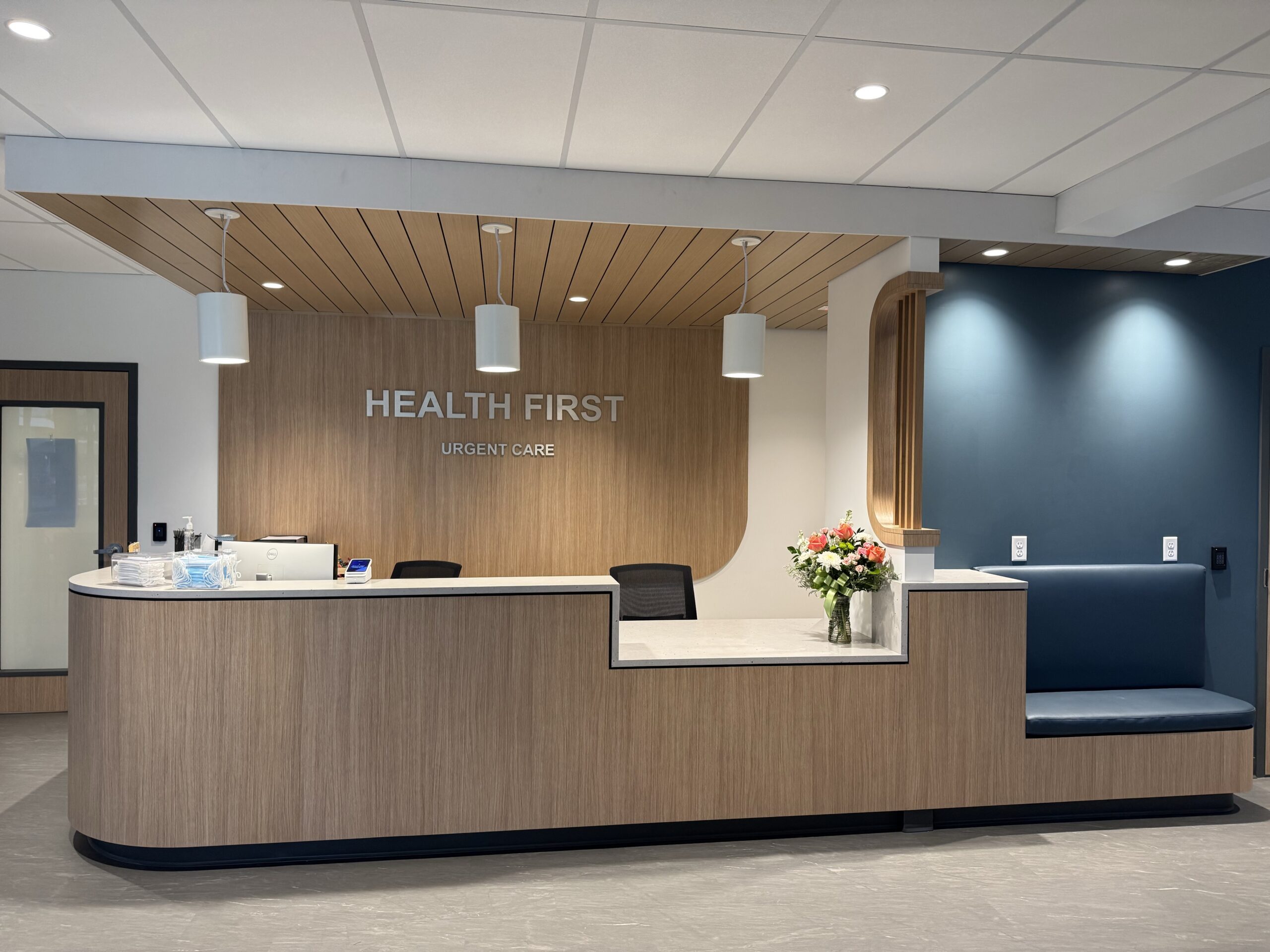
For patients in Richland, Kennewick, and Pasco who need a school, sports, pre-employment, or routine physical, Health First Urgent Care can help with practical same-day care needs. Bring your completed paperwork and arrive with enough time to address any required testing.
The best preparation is simple: know why you need the physical, bring complete information, and speak up about what has changed in your health. That gives your provider a clearer starting point and gives you a better chance of leaving with answers you can use.