If you need to know where to get TB test services, the right place usually depends on why you need it. It also depends on how quickly you need paperwork completed. For many adults, urgent care is the simplest option because it offers same-day access for routine screening, work requirements, school forms, and follow-up questions. You do not have to wait weeks for a primary care visit.
Tuberculosis screening is common, but the process is not always one-size-fits-all. Some people need a skin test for employment. Others need a blood test because they had the BCG vaccine, cannot return in 48 to 72 hours, or need a different type of documentation. The best place to go is the one that can provide the right test and explain the result clearly. It should also handle any next steps without sending you in circles.
Where to get TB test services
In most cases, you can get a TB test at an urgent care clinic, a primary care office, a public health clinic, some workplace health providers, and certain pharmacies or retail clinics depending on the services offered in your area. The difference is not just location. Instead, it is convenience, turnaround time, and whether the clinic can meet the reason you need the test in the first place.
Urgent care is often the most practical choice when timing matters. If you need a pre-employment screening, a school requirement completed, or a quick answer for a volunteer program, walk-in care can save time. This is especially true if you also need related occupational health services. You may also need physical exams or paperwork handled during the same visit.
Primary care can also be a good fit if you already have an established provider and your deadline is flexible. The trade-off is that appointment availability may be limited. Not every office handles employment forms or same-week repeat visits efficiently.
Public health clinics may offer TB testing at low cost, which can be helpful if budget is your top concern. The trade-off is that hours, availability, and documentation processes can be more limited than a convenience-based clinic.
Understanding the two main TB test options
Before deciding where to go, it helps to know there are two common ways to screen for TB infection.
TB skin test
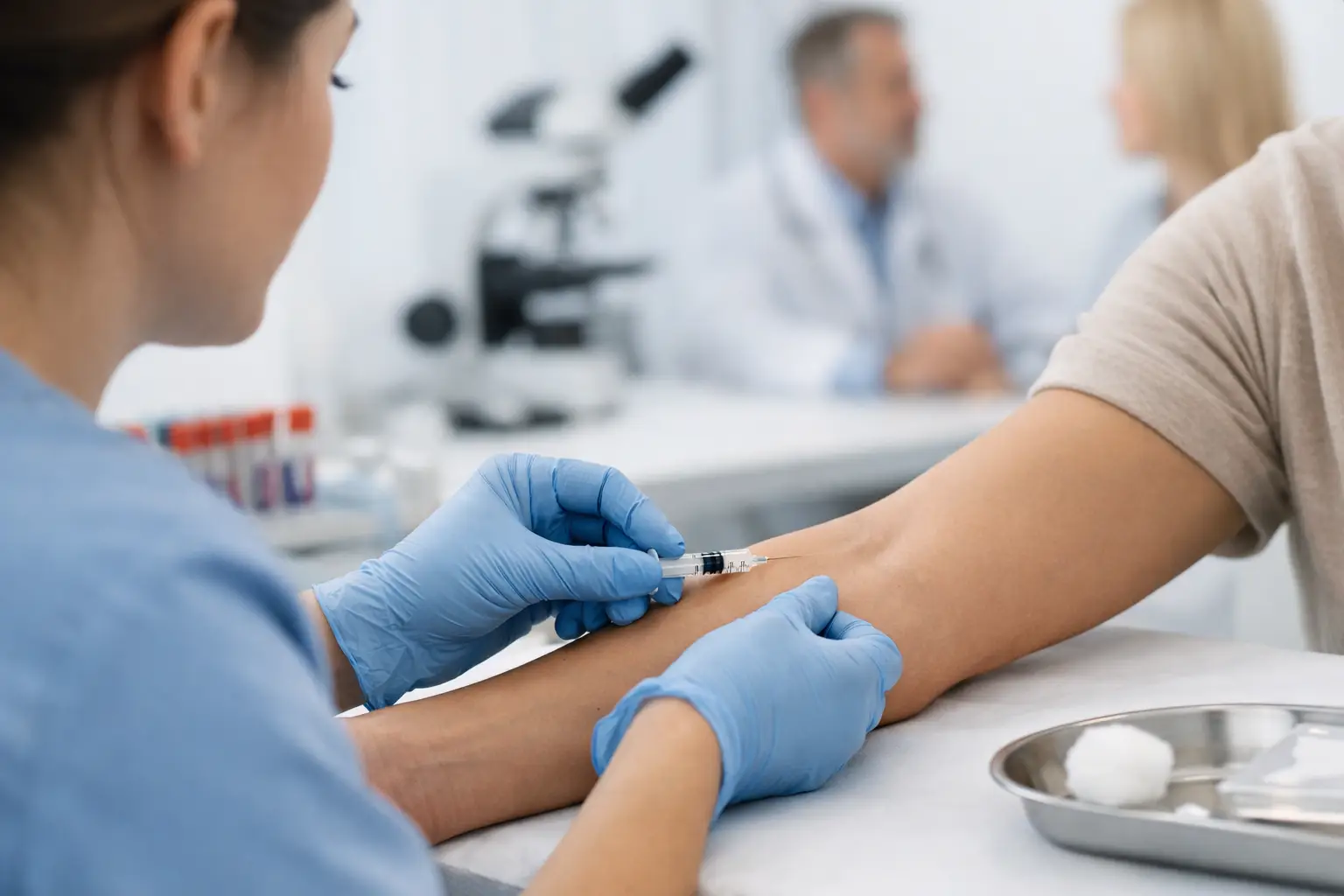
The TB skin test, also called a PPD test or Mantoux test, involves a small amount of testing fluid placed just under the skin of your forearm. You do not get your answer during that first visit. You must return 48 to 72 hours later so a medical provider can examine the area and measure any reaction.
This option is widely used for school, work, and routine screening because it is familiar and often straightforward. The main downside is the required second visit. If you miss the return window, the test may need to be repeated.
TB blood test
A TB blood test uses a blood sample to look for signs that your immune system has been exposed to tuberculosis bacteria. You only need one visit for the sample itself, which makes it appealing for people with tight schedules.
This can be a better option if you previously received the BCG vaccine or if returning for a skin test reading would be difficult. The trade-off is that availability and pricing may vary more by clinic. In addition, the result may take longer than an on-the-spot skin test placement.
When urgent care makes the most sense
Urgent care is a strong option when you need speed, flexible access, and clear documentation. That matters for working adults, parents, and anyone trying to fit healthcare into a normal weekday.
If you need a TB test for a new job, healthcare program, school admission, volunteer role, or employer screening, urgent care can often handle it without a long lead time. In a community-focused setting, the visit is usually built around practical needs. For example, you can get the test done, understand what happens next, and leave with a clear plan.
It is also useful when TB screening is part of a bigger to-do list. Maybe you need a pre-employment physical, a lab screen, vaccine records reviewed, or forms signed. Having one clinic handle multiple requirements is often easier than juggling different offices.
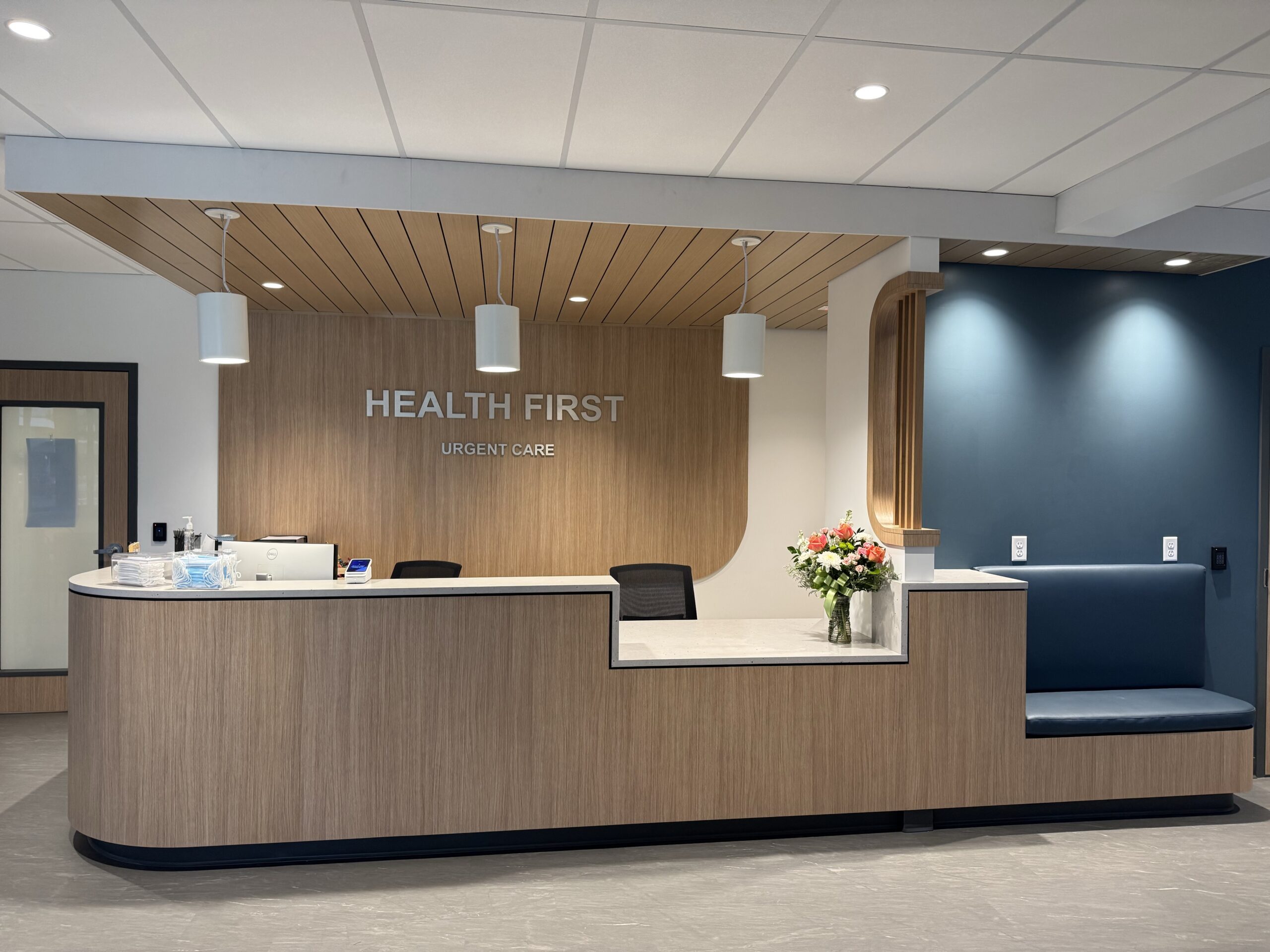
For people in the Tri-Cities area, this is where a walk-in model can be especially helpful. Health First Urgent Care serves patients who need same-day, non-emergency care and occupational health services without unnecessary delays.
What to ask before you go
Not every clinic handles TB testing the same way, so a quick call ahead can save time.
Ask whether they offer a TB skin test, a TB blood test, or both. Ask whether walk-ins are accepted for testing and for skin test reading. If you need forms completed for work or school, confirm that the clinic can provide the documentation your organization requires.
It is also smart to ask about timing. For a skin test, make sure you understand when to come back for the reading. For a blood test, ask how long results typically take. If cost matters, ask whether they accept your insurance. Also ask whether there is a self-pay rate.
These are simple questions, but they matter. A lot of frustration around TB testing comes from small logistical issues, not the test itself.
What to bring to your TB test visit
For most visits, bring a photo ID. Also bring your insurance card if you are using insurance, and any employer or school paperwork that needs to be completed. If you have had a prior positive TB test, bring that documentation too.
That last point is important. If you have already had a positive TB skin test or blood test in the past, repeating the same screening test may not be appropriate. In that situation, the next step may involve a symptom review, medical evaluation, or chest X-ray rather than another routine screening test. The clinic can guide you, but prior records help avoid delays.
What happens after the test
A negative result usually means no evidence of TB infection was found, although timing and individual risk factors can affect interpretation. A positive result does not automatically mean you have active tuberculosis disease. It means more evaluation may be needed.
That distinction matters. TB infection and active TB disease are not the same thing. Screening tests are designed to identify possible exposure, not to diagnose every detail on their own. If your result is positive, a provider may recommend further testing, symptom review, or imaging.
This is another reason choosing where to get TB test services matters. A clinic should not just hand you a result and send you off confused. Instead, you want a setting that can explain what the result means in plain language and help you understand the next step.
Where to get TB test paperwork done right the first time
If your test is tied to employment, school, healthcare work, or volunteer clearance, paperwork accuracy matters almost as much as the test itself. A missing signature, wrong date, or incomplete form can create unnecessary back-and-forth.
Urgent care and occupational health clinics are often better set up for this than offices focused only on ongoing primary care. They routinely deal with deadlines, employer forms, compliance visits, and return instructions. That operational side matters when your start date or class registration is on the line.
If you are deciding where to get TB test screening done, think beyond the lab portion. Think about whether the clinic is built to handle time-sensitive visits, repeat checks, and documentation clearly.
How to choose the best option for your situation
There is no single best place for everyone. If low cost is your top priority and your schedule is flexible, a public clinic may be worth checking first. If you already have a primary care visit coming up and no deadline, your regular doctor may be enough.
But if you need fast access, walk-in convenience, and a clinic that understands employment and compliance-related visits, urgent care is often the better fit. That is especially true when you need practical help, not a complicated process.
The easiest path is usually the one that matches your deadline, your paperwork needs, and whether you can return for a second visit if a skin test is used. Start there, ask a few logistical questions, and choose the clinic that can actually get you across the finish line.
If you need a TB test soon, the best next step is simple: pick a clinic that can see you promptly, offers the right type of test, and makes the process easy to complete from start to signed form.