A medical screening can be a quick step with lasting value. A blood pressure check, cholesterol test, diabetes screening, or required work physical may reveal a concern before it causes symptoms or interferes with daily life. For busy Tri-Cities families and workers, the practical question is usually not whether screening matters. It is which screening is needed, when to get it, and where to start.
Screenings are not one-size-fits-all. Your age, family history, medications, job duties, lifestyle, and recent health changes all affect what makes sense. A clinician can help you sort through those details and determine whether a routine screening, a physical exam, lab test, or a more focused diagnostic evaluation is appropriate.
What medical screening is designed to do
Medical screening looks for a health condition in someone who may not feel sick. The goal is early identification, when there may be more time to make changes, monitor a condition, or begin treatment. A screening result does not always provide a final diagnosis. It tells the clinician whether more evaluation may be needed.
That difference matters. If you have chest pain, sudden weakness, trouble breathing, severe abdominal pain, or another urgent symptom, you need an evaluation for the symptom itself – not a routine screening visit. Call 911 or go to an emergency department for life-threatening symptoms.
For less urgent concerns, a screening may be part of a broader visit. For example, a high blood pressure reading at a physical can lead to repeat checks, a review of medications and health history, or follow-up testing. An abnormal result is not a reason to panic, but it should not be ignored.
Common medical screening needs for adults
Many routine screenings are recommended according to age and individual risk. A clinician can help determine the right timing, especially if you have a family history of heart disease, diabetes, cancer, high cholesterol, or other chronic conditions.
Blood pressure screening is one of the most common and useful checks. High blood pressure often has no clear symptoms, yet it can increase the risk of heart disease, stroke, and kidney problems over time. One elevated reading does not always mean you have hypertension. Stress, pain, caffeine, certain medications, and even the way the measurement is taken can affect the result. Repeat readings and follow-up matter.
Cholesterol and blood sugar testing may be recommended based on your age, weight, medical history, and other risk factors. These tests can help identify risks related to heart disease and diabetes. Depending on the test, you may need to follow instructions about fasting or medication before your visit. If you are unsure, call ahead rather than guessing.
Preventive care may also include screening related to colon health, breast health, cervical health, lung health, infections, or bone strength. Some of these require a primary care provider, imaging center, specialist, or take-home test. Urgent care can often help with basic assessments, lab testing, physical exams, referrals, and next-step guidance, but it is not a replacement for every type of preventive care.
Vaccinations are another practical part of prevention. They are not screenings, but keeping recommended vaccines current can reduce the chance of serious illness and missed work or school. Ask about seasonal vaccines and age- or risk-based recommendations when you are in for a physical or routine visit.
Screening works best when follow-up is clear
The value of a screening depends on what happens after the result. Keep a copy of your results when available, know what follow-up was recommended, and make that follow-up a priority. This is particularly important if you have an abnormal lab result, repeated elevated blood pressure readings, or a finding that needs imaging or specialty care.
If you already have a primary care provider, share new results with that office. If you do not, ask the clinic what type of follow-up is appropriate. Fast access is helpful, but ongoing care is often what turns an early finding into a manageable health plan.
Work and compliance screenings have a different purpose
Not every screening is about finding a disease. Employers may require medical visits to confirm that an employee meets a job-related standard, can safely perform specific duties, or has completed a compliance requirement.
DOT physicals, pre-employment physicals, drug and alcohol testing when offered, tuberculosis testing, mask fittings, and workplace vaccination requirements all serve distinct purposes. The paperwork, required identification, timing, and testing standards can vary by employer and job type. Bringing the correct forms to the appointment helps avoid delays.
A DOT physical is a good example. It is a regulated exam with specific health and vision requirements, not simply a general checkup. Drivers should bring required documentation, including information about current medications and any relevant medical conditions. If you use corrective lenses, hearing aids, or devices for a condition such as sleep apnea, bring the items or records needed for the exam.
For employers, a consistent process matters. Sending workers with clear instructions, the right forms, and knowledge of the required service helps keep visits efficient. For employees, it helps to schedule compliance-related visits before a deadline becomes urgent, particularly when follow-up documentation could be needed.
How to prepare for a screening visit
A little preparation makes a medical screening more useful. Bring a photo ID, insurance information if applicable, your medication list, and any forms connected to work, school, sports, or a program requirement. Include over-the-counter medicines and supplements, since they can affect some results or influence clinical decisions.
Be ready to discuss your personal and family health history. Mention conditions that run in close relatives, such as early heart disease, diabetes, certain cancers, or high blood pressure. Also tell the clinician about tobacco use, pregnancy, recent illness, new symptoms, and prior abnormal test results. These details can change which screenings are recommended.
If you are coming for lab work, confirm whether you need to fast. Do not stop prescribed medications unless the ordering clinician specifically tells you to do so. For blood pressure checks, avoiding exercise, nicotine, and caffeine immediately before the visit may help provide a more representative reading, though the clinician may repeat the test if needed.
Parents should bring immunization records and any school or sports forms for children and teens. For a sports physical, be honest about fainting, chest pain with exercise, previous concussions, asthma symptoms, injuries, and family history of sudden cardiac events. The purpose is safe participation, not simply obtaining a signature.
When urgent care makes sense for screening
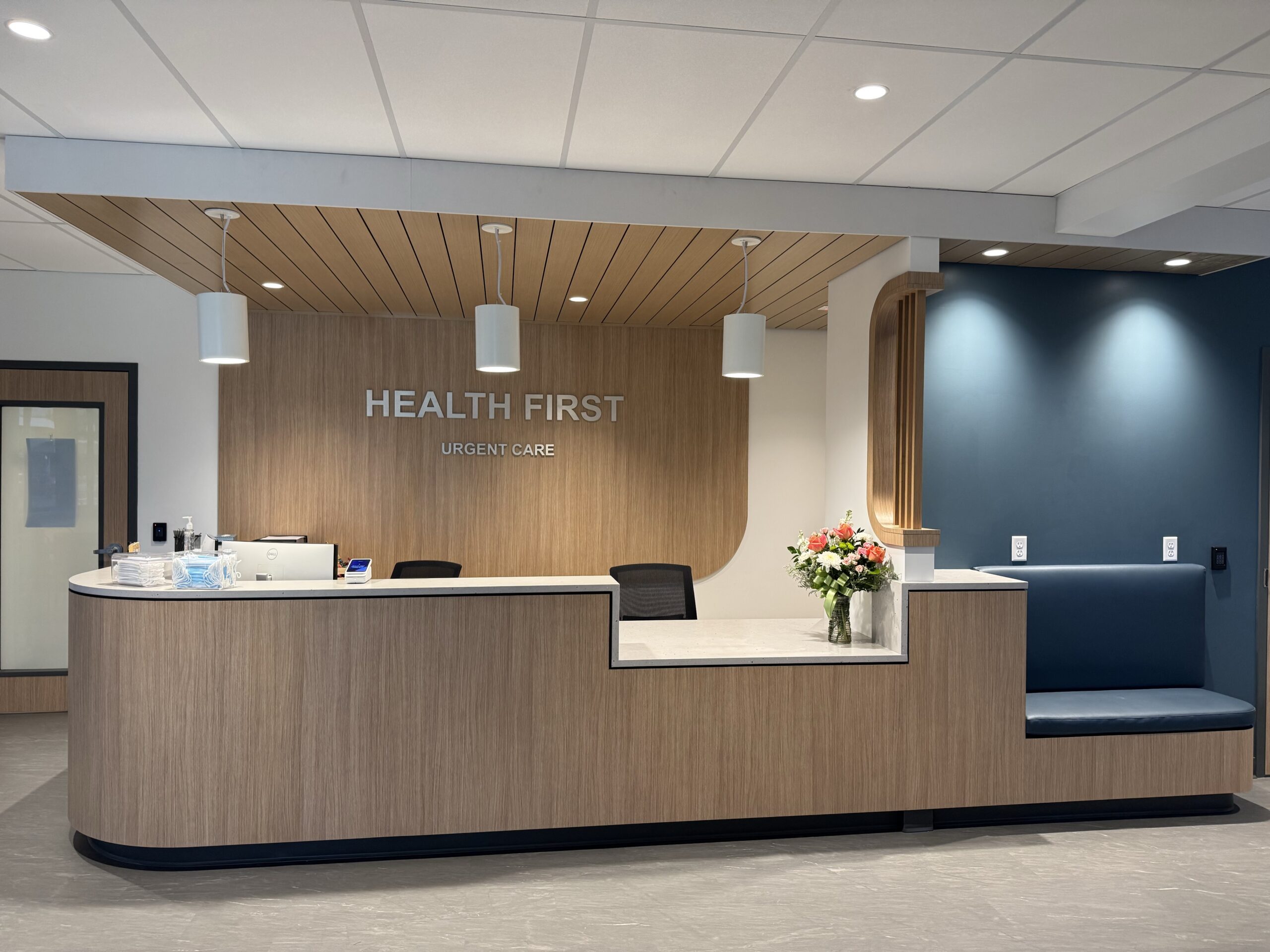
Urgent care can be a practical option when you need a same-day physical, a basic screening, a lab test, a vaccine, or help with employer paperwork and cannot wait weeks for an appointment. Health First Urgent Care offers walk-in access for many everyday medical and occupational health needs, including physical exams and selected lab services.
The right setting depends on the service. A walk-in clinic may be a good fit for a straightforward pre-employment physical, blood pressure check, vaccine, or immediate question about a recent result. More complex preventive planning, long-term management of chronic disease, and certain cancer screenings may require coordination with primary care or a specialist.
Do not wait for a routine screening appointment if you have concerning symptoms. New confusion, facial drooping, severe headache, fainting, coughing up blood, significant bleeding, or rapidly worsening pain need prompt medical attention. Screening is for prevention and early detection. Acute symptoms deserve timely evaluation.
Make screening part of regular care
The easiest screening plan is one you can actually maintain. Keep a short record of your results, ask when the next test is due, and use annual physicals, work requirements, or vaccine visits as a reminder to review preventive care. If cost, insurance, transportation, or scheduling has made you put off care, ask about practical options before assuming you have to wait.
A screening visit may take only a short time, but it can give you useful information to act on. The best next step is simple: choose the screening you need, bring the right information, and follow through on the result.