A new job can come with a fast deadline: complete a physical, drug screen, or other required testing before your first shift. Knowing how to prepare for a preemployment exam can keep a simple appointment from turning into a delay with your hiring paperwork. The goal is not to “pass” by hiding health information. It is to arrive prepared, complete the employer-requested services, and give the medical team accurate information.
Preemployment exams vary by role and employer. A warehouse position, a healthcare job, a commercial driving role, and an office position may all have different requirements. Read the instructions from your employer closely before you head to the clinic.
Know What Your Employer Requested
“Preemployment exam” is a broad term. Your employer may be asking for a basic work physical, a drug or alcohol screen, a tuberculosis test, a respirator or mask fitting, proof of vaccination, a vision test, or job-specific testing. Some roles require more than one service during the same visit.
Do not assume every new-hire exam includes the same tests. The employer’s authorization form, email, or hiring portal should state what is needed. If the instructions are unclear, contact the employer or hiring representative before your visit. A clinic can perform the services ordered, but the employer sets the job requirements.
For jobs regulated by the Department of Transportation, a DOT physical has its own federal standards and paperwork. It is different from a standard employment physical, so make sure your employer has told you which exam you need.
Prepare for a Preemployment Exam Before You Arrive
The most useful preparation happens before you leave home. Give yourself enough time to find your documents, review any fasting instructions, and arrive without feeling rushed. If testing involves a collection process, arriving late or leaving before it is complete may require a new appointment or employer authorization.
Bring a government-issued photo ID. Also bring your employer’s testing form, authorization number, hiring paperwork, or any instructions that identify the company and requested services. If your employer gave you a deadline, keep that information with you.
For a smooth check-in, have these items ready:
- A valid photo ID
- Employer authorization forms or a testing code
- Your insurance card, if the employer instructed you to use insurance
- A current list of medications, including over-the-counter medicines and supplements
- Glasses or contact lenses if you use them for driving, work, or a vision screen
- Relevant medical records, such as immunization records or prior TB test documentation, when requested
Wear comfortable clothing. A work physical may include checking your height, weight, blood pressure, vision, hearing, range of motion, or ability to perform simple movements. Clothing that allows you to move comfortably makes the process easier. Closed-toe shoes may be helpful if the exam includes mobility or lifting-related evaluation.
Take Medications as Prescribed Unless Told Otherwise
Do not stop prescribed medication just because you have an employment physical or screening. Skipping medication can affect your health and may create unexpected results, such as elevated blood pressure. Take medications exactly as your prescribing clinician directed unless you have been given specific medical instructions to do something different.
Bring the medication names, doses, and prescribing provider information if available. This is especially helpful if a medication could affect a drug-screen result or if the provider needs a clear health history for a DOT or job-related physical. A positive laboratory result is handled through the testing process, which may include review by a medical professional. Trying to alter a result or withholding information can put your job offer at risk.
Eat, Hydrate, and Follow Any Test Instructions
Many preemployment physicals do not require fasting. However, some employers request laboratory tests that do. Follow the written instructions you receive rather than guessing. If you were told to fast, ask the employer or clinic what that means for your specific test, including whether water and routine medications are allowed.
Unless you were told to limit fluids, arrive normally hydrated. Being dehydrated can make urine collection more difficult and can slow down your visit. On the other hand, do not overdo water immediately before a drug screen. An overly diluted sample may not meet collection standards and could require repeat testing.
Avoid unusual choices in the day or two before your exam. Do not try detox products, excessive water intake, or unverified supplements marketed as ways to change test results. These products can be unreliable and may create an invalid or suspicious sample. Stick to your regular routine, sleep well if possible, and show up ready to provide honest information.
What Happens During the Visit
A typical preemployment physical begins with check-in and confirmation of the employer’s order. Staff may ask you to complete a health history form. Answer fully and accurately, including past injuries, surgeries, medications, allergies, and conditions that could affect safe job performance.
The clinical exam may include vital signs, vision testing, hearing testing, a general physical assessment, and questions about your ability to perform work tasks. Depending on the role, the provider may also assess lifting, bending, reaching, balance, or other functional movements. These assessments are designed around the job’s stated duties and workplace safety needs.
If a drug screen is included, expect specific collection procedures. You may be asked to leave personal items outside the collection area, wash your hands, provide a sample, and remain at the clinic until the process is complete. Follow staff directions carefully. Chain-of-custody rules protect both the employee and employer by documenting how the sample is handled.
Some results are available during the visit, while laboratory testing, TB testing, cultures, or employer review may take longer. A TB skin test, for example, commonly requires a return visit within a specific time window to have the result read. Plan ahead so you do not miss that required follow-up.
Common Reasons Preemployment Visits Get Delayed
Most delays are preventable. Missing identification, an incomplete employer form, arriving at the wrong location, or not knowing which exam was ordered can stop a visit before it begins. A missing return appointment for a two-step test can also hold up clearance.
High blood pressure is another issue that sometimes appears during a physical. Stress, caffeine, nicotine, pain, and rushing through the door can temporarily raise a reading. Arrive early enough to sit quietly for a few minutes. If a reading is elevated, the provider may repeat it, discuss next steps, or request follow-up based on the exam requirements.
Bring corrective lenses if you need them. Many people pass their everyday routine without glasses but need them for a formal vision standard. The same idea applies to hearing aids, medication lists, and immunization records: having the right information available can prevent a second trip.
If You Have a Health Condition or Prior Injury
A preemployment exam is not a reason to avoid care for an ongoing health concern. Be straightforward about conditions such as asthma, diabetes, prior back injuries, heart conditions, sleep apnea, or medication use. The provider’s role is to assess the requested exam and document findings within the scope of the employer’s requirements.
Whether a condition affects clearance depends on the job, the specific test, the condition’s current status, and applicable regulations. It is not always a simple yes-or-no decision. If additional records, follow-up, or documentation are needed, ask what the next step is and how it may affect the employer’s timeline.
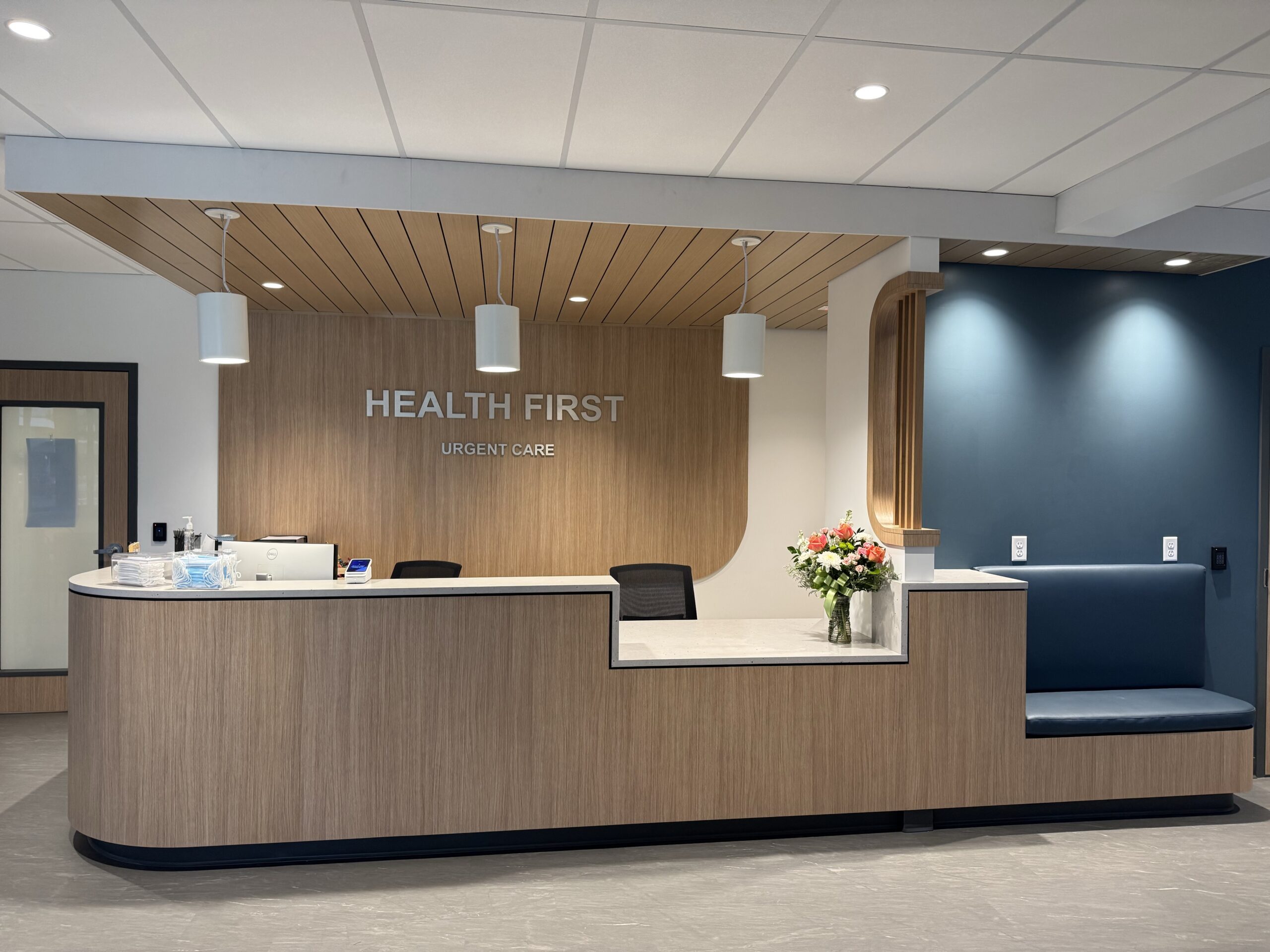
For workers in Richland, Kennewick, and Pasco, Health First Urgent Care can help with many work-related physicals, screenings, and compliance services when an employer requires prompt care. Before you come in, confirm the required exam and bring every form the employer provided.
A little preparation protects your start date. Set out your ID, paperwork, medication list, and glasses the night before, then give yourself enough time to complete the visit without rushing. That practical approach lets the clinic focus on the exam and helps you move one step closer to your first day on the job.