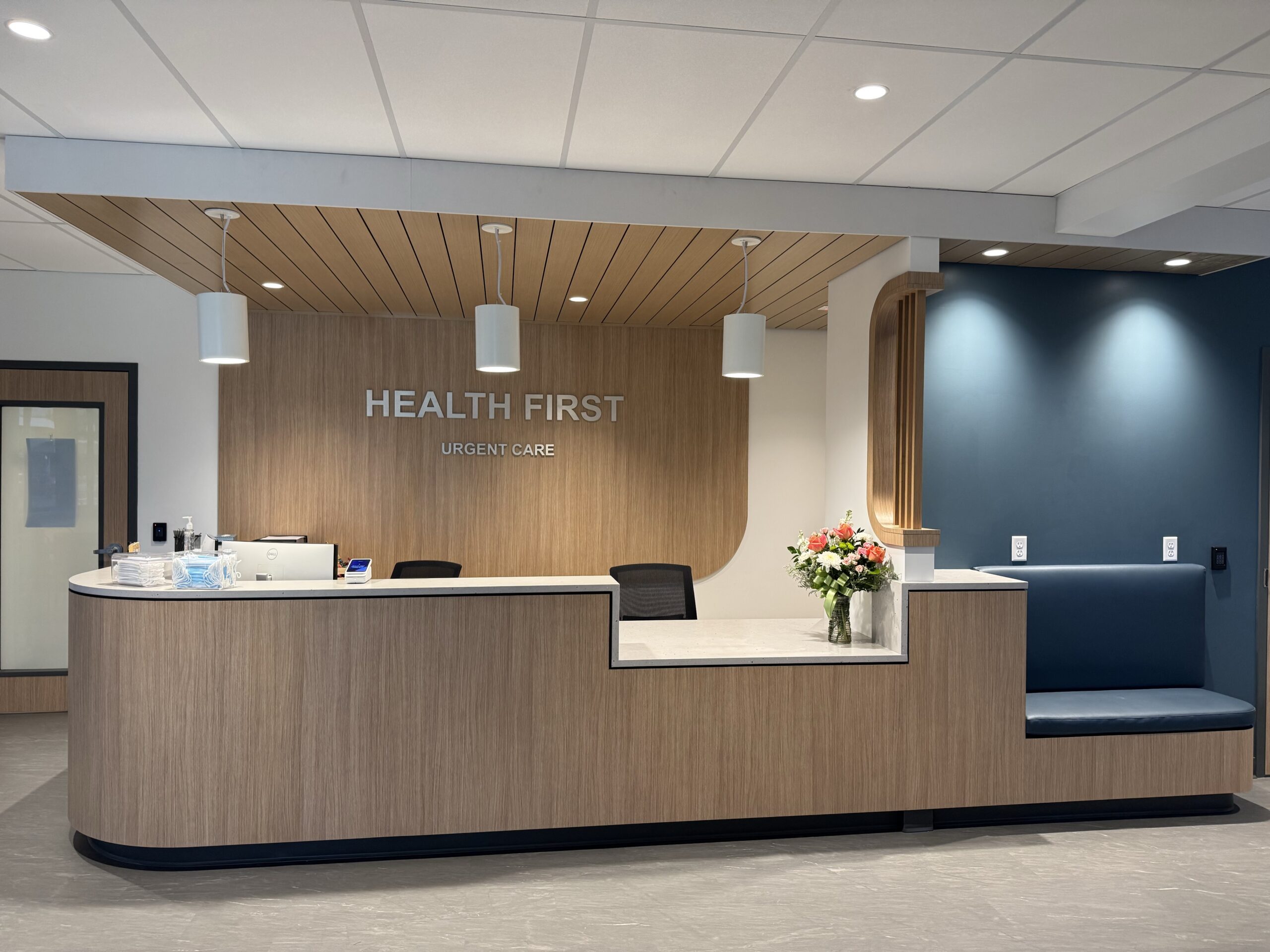
A walk-in clinic visit is built for the moments that cannot wait for a primary care appointment but do not require an emergency room. Still, urgent care wait times can change from one hour to the next. For example, a quiet weekday morning may move quickly. On the other hand, a busy evening during cold and flu season can bring more patients through the door at once.
Knowing what affects your visit can help you plan ahead, bring what you need, and choose the right level of care for your condition. At Health First Urgent Care, walk-ins are welcome seven days a week. This includes many common illnesses, injuries, screenings, physicals, and workplace health needs.
Why urgent care wait times vary
Urgent care works on a walk-in basis, so the number of patients arriving at a given time has a direct effect on the wait. Unlike a standard appointment schedule, the clinic team must respond to the needs in front of them. Moreover, they must help patients whose symptoms require prompt evaluation.
A patient with chest pain, serious breathing trouble, signs of stroke, severe allergic reaction, or uncontrolled bleeding needs emergency care. You should call 911 or go to the emergency room for those symptoms. Within an urgent care setting, patients are also assessed based on the nature and severity of their concern. For example, someone with a possible fracture, significant laceration, or high fever may need attention before a patient who is there for a routine physical or paperwork visit.
That does not mean one visit matters more than another. It means the care team is making practical clinical decisions to get each patient the attention their condition requires.
Time of day and day of week
Patient volume often increases after work and school, especially in late afternoons and early evenings. Weekends can also be busy because many people cannot visit during standard business hours. Mondays may bring patients who developed symptoms over the weekend or delayed care while trying to rest at home.
Seasonal illness matters, too. When colds, flu, strep throat, COVID-like symptoms, allergies, or stomach viruses are circulating, more families may need same-day care. A sudden weather change can also lead to more falls, sports injuries, and respiratory complaints.
If your schedule allows, a midmorning or early afternoon visit on a weekday may be less crowded than peak after-work hours. This is not a guarantee, since walk-in volume can change quickly. However, it can be a useful planning consideration.
The type of visit you need
A straightforward visit for a sore throat, ear pain, minor rash, or prescription-related question may require less time than a visit involving an injury, diagnostic testing, or a procedure. Some conditions require an exam plus a rapid test, lab collection, X-ray referral, wound repair, splinting, or medication administration.
Occupational health visits can vary as well. For instance, a DOT physical, pre-employment physical, mask fitting, or workplace screening may require specific forms, identification, vision testing, urine testing, or employer documentation. Therefore, bringing complete paperwork helps the visit move forward without preventable delays.
The wait to be seen is only one part of the visit. Once you are in an exam room, the provider needs enough time to evaluate you carefully, discuss treatment, and explain next steps. Fast access should not mean rushed care.
How to prepare for a smoother urgent care visit
A few minutes of preparation can make check-in easier and give the medical team the information they need sooner. Before leaving home, gather your photo ID, insurance card, current medication list, and any relevant documents. Parents or guardians should bring identification and insurance information for the child being seen.
If your visit relates to an injury, it can help to know when and how it happened. For illness, be ready to describe when symptoms began, whether they are getting worse, any fever readings, and treatments you have already tried. Clear details can help the provider make informed decisions efficiently.
For work-related services, confirm what your employer requires before you arrive. Bring the correct forms, any testing authorization, your driver’s license for a DOT physical, and any glasses or contact lenses you use for vision. If a medication list is needed, include prescription medicines, over-the-counter products, and supplements.
Completing available patient forms before your visit may also reduce check-in time. If you are unsure about insurance, payment, or required paperwork, calling ahead can help you avoid an unnecessary return trip.
Be ready for possible testing
Many urgent care visits involve tests that take time to collect and process. A rapid strep test, flu test, COVID test, urine test, pregnancy test, or other screening may be part of determining the right treatment. Some results are available during the visit. However, others may be sent to an outside lab and returned later.
Testing is not ordered simply to extend a visit. Instead, it is used when the result can guide medical decisions, confirm a likely cause of symptoms, or rule out a condition that needs different treatment. If testing is recommended, ask what it is for, when results may be available, and what you should do while waiting.
When urgent care is the right choice
Urgent care is a practical option for non-life-threatening problems that need attention soon. This can include coughs, sore throats, sinus symptoms, ear infections, urinary symptoms, nausea, minor burns, sprains, strains, simple cuts, rashes, and mild allergic reactions. It can also be a convenient setting for vaccinations, physicals, lab services, and occupational health requirements.
The right choice depends on the symptoms. Urgent care can often save time compared with waiting days or weeks for a routine appointment. However, an emergency department is the safer choice for severe or potentially life-threatening symptoms. These symptoms include chest pain, difficulty breathing, fainting, confusion, one-sided weakness, severe abdominal pain, major injuries, or signs of a stroke.
For babies, older adults, pregnant patients, and people with complex medical conditions, the threshold for seeking higher-level care may be different. When you are uncertain, describe the symptoms clearly when you call a medical office or emergency service for guidance.
What to do if the clinic is busy
A busy waiting room can be frustrating when you do not feel well or are trying to get back to work, school, or family responsibilities. The most useful step is to check in promptly and let the front desk know if your symptoms change while you wait. New or worsening chest pain, shortness of breath, dizziness, severe pain, or bleeding should be reported immediately.
Use the waiting time to complete forms, confirm your medication list, and make sure the clinic has your current phone number. If you need to leave for an urgent reason, ask staff before doing so. Also, leaving without communicating can delay care or require you to restart the check-in process later.
If you are visiting with a sick child, bring water, a comfort item, and anything they may need during the wait. For adults, consider bringing a phone charger or a way to contact your employer or family. Small preparations can make an unpredictable wait more manageable.
A faster visit starts before check-in
No walk-in clinic can promise the same wait time every day, because patient needs and volume are always changing. However, what a clinic can do is maintain a clear process, assess patients promptly, and help each person understand what comes next.
When you arrive prepared, choose urgent care for the right type of problem, and share changes in your symptoms right away, you help the care team focus on what matters most. Getting you the appropriate care without unnecessary delay. If a same-day medical need comes up, bring your information, allow enough time for a complete visit, and let the clinic team help you take the next practical step.